
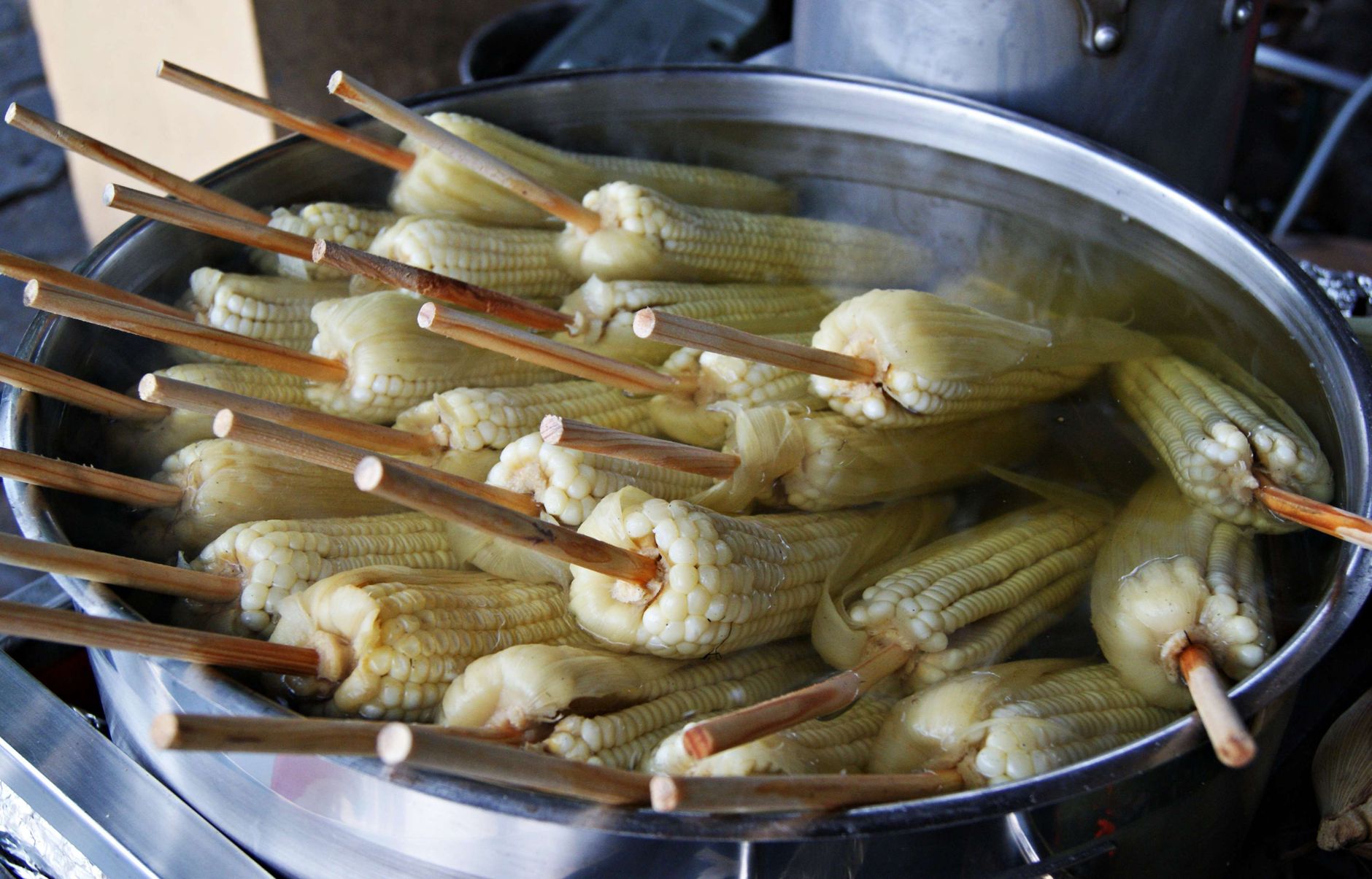
Boiling corn on the cob is a classic cooking technique that brings out the sweet, natural flavors of fresh corn. This method preserves the corn’s tender crunch and makes it an ideal side dish for summer barbecues and family dinners. Understanding the correct timing for boiling corn is crucial for achieving optimal tenderness without sacrificing flavor.
In this guide, we will explore how long it takes to boil corn on the cob, the best practices to follow, tips for preparation, and variations you might want to try to enhance your corn experience. Whether you’re serving it plain, slathered in butter, or as part of a more complex dish, well-cooked corn on the cob can be a delightful addition to your meal.
How Long Does It Take To Boil Corn On The Cob?
Boiling corn on the cob typically takes about 4 to 7 minutes. The precise time may vary depending on the freshness of the corn and whether it’s being boiled from frozen or fresh. The key is not to overcook the corn, as this can lead to a mushy texture.
Why Choose Boiling for Cooking Corn?
Boiling is one of the simplest and most common methods for cooking corn on the cob. This technique is popular for several reasons:
- Quick Cooking Time: Boiling corn is fast, making it a convenient option for quick meals.
- Retained Sweetness: Boiling helps keep the natural sugars in corn, enhancing its sweet flavor.
- Texture: Properly boiled corn provides a tender yet crunchy texture that is enjoyable to eat.
Preparing Corn for Boiling
Before you start boiling corn, it’s important to prepare it correctly. Here are the steps to follow:
- Select Fresh Corn: Choose ears that are plump and firm with vibrant green husks. Avoid any ears that feel dried out or have brown spots.
- Husk the Corn: Remove the green husks and silk from each ear of corn. It’s best to do this just before boiling for maximum freshness.
- Rinse the Corn: Quickly rinse the ears under cold water to remove any lingering silk and dirt. This also helps the corn heat more evenly when boiled.
Other Considerations Before Boiling
Here are a few additional considerations to keep in mind:
- Cutting Corn: If you’re working with larger ears and have limited pot space, you may want to cut the corn in half, but this is optional.
- Adding Sugar or Salt: Some people like to add a pinch of sugar or salt to the boiling water; this can enhance the corn’s natural sweetness.
Steps to Boil Corn on the Cob
Follow these steps to successfully boil corn on the cob:
- Prepare the Water: Fill a large pot with enough water to cover the corn. Add a pinch of salt or sugar, if desired, and bring the water to a rolling boil.
- Add the Corn: Carefully place the prepared corn into the boiling water. The water temperature will drop slightly; wait until it returns to a boil before timing.
- Boil the Corn: For fresh corn, boil for 4 to 7 minutes. For frozen corn, it may take 6 to 8 minutes. The corn is done when the kernels are bright yellow and tender. Keep an eye to avoid overcooking.
- Remove from Water: Using tongs, carefully take the corn out of the boiling water and place it on a plate or cutting board.
- Let Cool a Moment: Allow the corn to cool slightly before serving, as it will be very hot.
Serving Suggestions
Corn on the cob is a versatile side dish that can be served in various ways:
- Butter and Salt: The classic combination of butter and salt can bring out the sweetness of the corn beautifully. Simply spread softened butter over the hot corn and sprinkle with salt according to taste.
- Herb Butter: Mix softened butter with fresh herbs such as parsley, cilantro, or basil for an elevated flavor profile.
- Spices: Spicy seasonings like chili powder, paprika, or cumin can be sprinkled over the corn for an added kick.
- Cheese: Grated Parmesan or crumbled feta cheese can also be an exciting topping for corn on the cob. Add it while the corn is still hot for better adherence.
Common Mistakes When Boiling Corn
While boiling corn is straightforward, certain oversights can affect the final product. Here are some common mistakes to avoid:
- Overcooking: Boiling corn for too long can lead to mushy kernels, diminishing the corn’s crispness. Aim for 4 to 7 minutes depending on the size and freshness of the corn.
- Not Starting with Boiling Water: Adding corn to water that isn’t boiling can lead to uneven cooking. Always ensure the water is at a rolling boil before adding corn.
- Skimping on Water: Make sure there is enough water in the pot to cover the corn completely. If the water level is too low, it will not cook evenly.
Troubleshooting Overcooked or Undercooked Corn
If you accidentally overcook your corn, it may become mushy and lose its flavor. To salvage it:
- Try serving overcooked corn with flavorful toppings, like spiced butters or cheese, to mask any lost mouthfeel.
If your corn comes out undercooked, simply return it to boiling water for another 1 to 2 minutes, keeping a close eye on the texture.
Variations of Boiled Corn
Boiled corn on the cob can be customized in various ways to suit different tastes or culinary themes:
- Sweet Corn Salad: Cut the kernels off the cob and mix with diced tomatoes, bell peppers, onions, and a dressing for a refreshing summer salad.
- Grilled Corn: Kick it up a notch by boiling the corn for a few minutes, then finishing it on the grill for extra char and flavor.
- Mexican Street Corn (Elote): After boiling, coat the corn with mayonnaise, sprinkle with Cotija cheese, lime juice, and chili powder for a savory treat.
Storing and Reheating Leftover Corn
If you have leftover corn, storing it properly can keep it fresh for future meals. Here’s how:
- Storage: Allow the corn to cool completely, then wrap it in plastic wrap or place it in an airtight container. It can be stored in the refrigerator for up to three days.
- Reheating: To reheat, you can either boil it briefly in water or place it in the microwave for 30 seconds to 1 minute, covered with a damp paper towel.
Final Thoughts
Boiling corn on the cob is a simple yet effective way to enjoy this delicious vegetable. Following these steps and tips will help you achieve the best results, whether for a casual meal or an extravagant feast. With a little attention to detail, your corn can be a highlight of any dining experience. So grab some fresh corn, a pot of water, and get boiling!
For readers interested in exploring more corn recipes, consider checking out the Corn Pone Recipe or dive into the decadent Corn Soufflé Recipe for variations that are sure to please.