
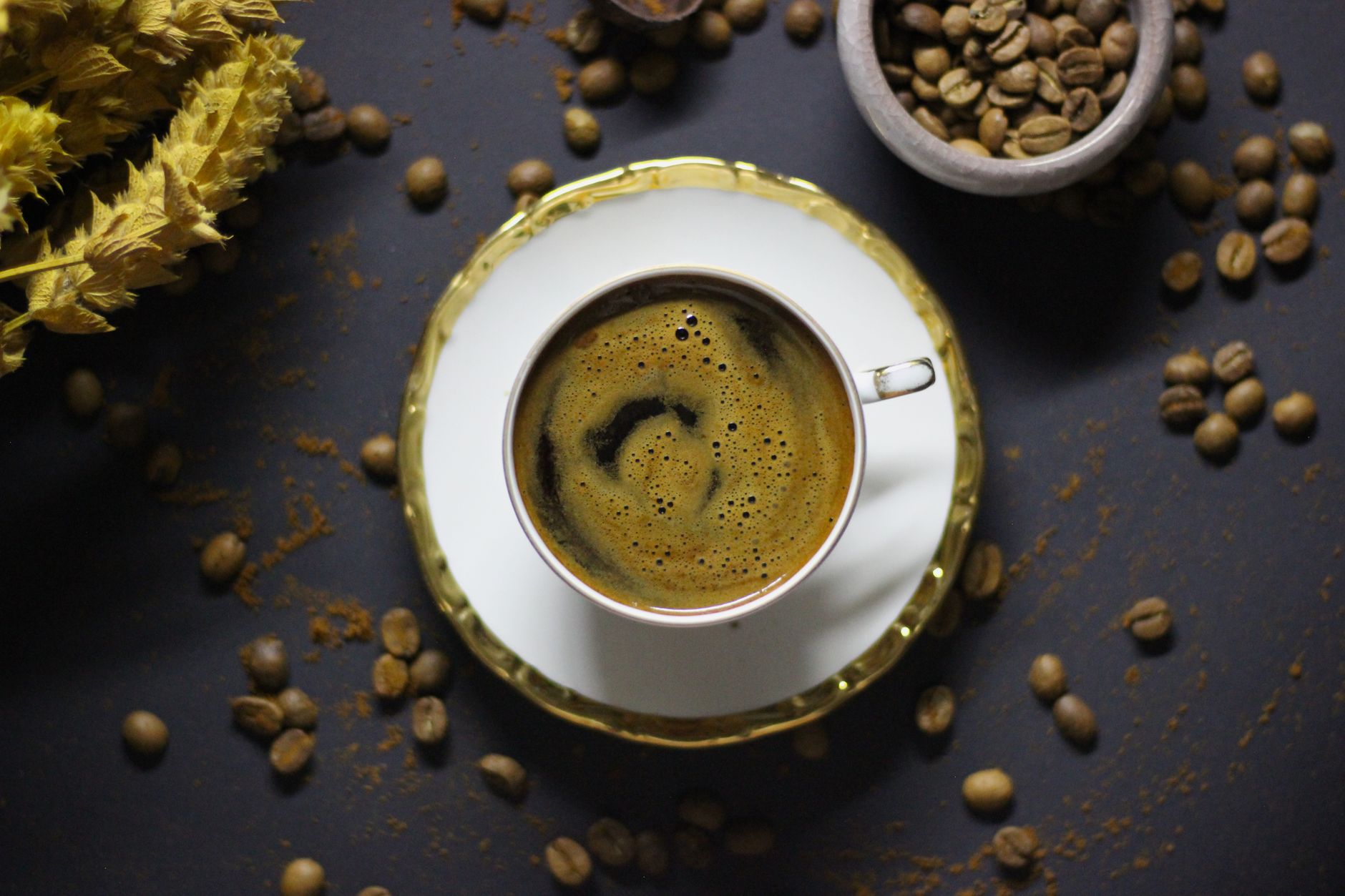
For many, fasting is a time to reset the body, engage in mindful eating, or lose weight. During this period, various questions arise about what can or cannot be consumed. One common inquiry is whether black coffee is permissible while fasting. This article delves into the benefits, risks, and effects of drinking black coffee during fasting, helping you make an informed decision.
Understanding the nuances of fasting is crucial. Whether you’re practicing intermittent fasting for weight loss, health benefits, or as part of a religious observance, knowing whether black coffee fits into your fasting routine can enhance your experience. Let’s explore this topic thoroughly.
Can You Drink Black Coffee While Fasting?
Yes, you can drink black coffee while fasting. Many individuals find that black coffee can actually support their fasting goals by providing some benefits, such as appetite suppression and enhanced focus. However, it is essential to consider how coffee’s effects might interact with your fasting intentions.
The Effects of Black Coffee During Fasting
Drinking black coffee during a fasting period can have several effects, which can be beneficial or occasionally detrimental. Here’s a breakdown of what you should know:
Appetite Suppression
Caffeine, the primary active ingredient in coffee, is known for its appetite-suppressing qualities. This can be particularly helpful during fasting when food intake is restricted. For many, having a cup of coffee can reduce feelings of hunger, making it easier to adhere to a fasting schedule.
Increased Metabolism
Caffeine can boost your metabolism temporarily, facilitating faster fat burning, which can be advantageous if you’re fasting for weight loss. Studies have shown that caffeine might increase metabolic rate by 3-11% in the short term, enhancing the benefits of fasting.
Enhanced Focus and Alertness
The consumption of black coffee can also improve mental clarity and increase alertness. This can be incredibly beneficial during fasting, as you might feel focused and productive without the distraction of hungry cravings.
Aids in Fat Oxidation
During periods of fasting, your body starts to shift from using glycogen (stored carbohydrates) to burning fat for energy. Caffeine has been shown to enhance fat oxidation, meaning that drinking black coffee can help your body utilize fat more efficiently, aligning with fasting goals.
Potential Side Effects
While there are benefits to drinking black coffee during fasting, it’s essential to consider potential downsides:
- Dehydration: Coffee is a diuretic, meaning it can lead to increased urine output. This effect may contribute to dehydration if not balanced with adequate water intake.
- Caffeine Sensitivity: Some people are more sensitive to caffeine and may experience anxiety, jitteriness, or disrupted sleep patterns. It’s crucial to monitor your body’s response to coffee during fasting.
- Stomach Irritation: Coffee can be harsh on an empty stomach for some individuals, leading to gastrointestinal discomfort or acid reflux.
How to Enjoy Black Coffee While Fasting
If you’re considering adding black coffee to your fasting routine, here are some practical tips to enhance your experience:
Choose Quality Beans
Opt for high-quality, organic coffee beans whenever possible. Freshly ground coffee tends to have a richer flavor and more beneficial compounds compared to pre-ground or instant varieties.
Watch Your Additions
The key to keeping coffee fasting-friendly is to stick with black coffee. Avoid adding sugar, cream, or milk, as these can break your fast and introduce calories. If you find pure black coffee unpalatable, gradually reduce your additions until you can enjoy it black.
Pay Attention to Timing
Consider timing your coffee consumption strategically. Enjoying coffee at the beginning of your fasting period might help reduce hunger. You can also have some in your eating window, but moderation is key to avoid disrupting the nutritional benefits you seek.
Stay Hydrated
It’s essential to balance coffee intake with water consumption. Aim to drink at least half your body weight in ounces of water each day, especially when consuming caffeinated beverages. Staying hydrated can help mitigate caffeine’s diuretic effects.
Frequently Asked Questions About Black Coffee and Fasting
Does black coffee break a fast?
No, black coffee typically does not break a fast, as it contains minimal calories and carbohydrates. However, any additives might disrupt the fasting process by introducing calories.
Can I drink decaf coffee while fasting?
Yes, decaffeinated coffee is an acceptable option while fasting. It provides the flavor and enjoyment of coffee without the stimulating effects of caffeine.
How much black coffee can I drink while fasting?
There’s no strict limit to the amount of black coffee you can consume while fasting, but moderation is advisable. Excessive caffeine can lead to adverse effects, so listening to your body is essential.
Are there any alternatives to black coffee while fasting?
If you want alternatives to black coffee during fasting, consider herbal teas or black tea. These options have minimal calories and can offer various health benefits. Always check the caffeine content, as some herbal teas may contain stimulating ingredients.
Potential Alternatives to Enhance Your Fasting Experience
If you’re looking for ways to enhance your fasting experience beyond black coffee, explore these alternatives:
- Green Tea: Known for its antioxidant properties, green tea can provide a gentle caffeine boost and support fat oxidation. It’s packed with health benefits, making it an excellent addition to your fasting plan.
- Herbal Teas: Herbal teas like peppermint, chamomile, or ginger can provide hydration without calories, helping to curb hunger and offering a comforting alternative.
- Bone Broth: Some people include bone broth during fasting. While this does contain calories, it’s a nutrient-dense option that won’t drastically disrupt your fasting state.
Common Mistakes to Avoid When Drinking Coffee While Fasting
As you navigate the world of fasting and black coffee, take note of these common mistakes that could hamper your efforts:
Overconsumption
While black coffee is generally acceptable, consuming too much can lead to negative side effects like jitteriness or increased heart rate. Stick to a moderate intake.
Ignoring Hydration
Failing to stay hydrated while consuming coffee can lead to dehydration. Always pair your coffee with ample water to maintain hydration levels.
Adding Calories
Using cream, sugar, or flavored syrups may seem tempting, but such additions break a fast. Keep your coffee consumption pure to adhere to fasting principles.
Not Listening to Your Body
Everyone’s tolerance to caffeine varies. If you find that coffee makes you anxious or disrupts your sleep, consider reducing your intake or switching to decaf.
Conclusion
Drinking black coffee while fasting can be beneficial for appetite suppression, metabolism, and mental clarity. However, it’s important to consume it mindfully and in moderation while staying hydrated. Paying attention to how your body responds to caffeine during fasting periods will help you maximize your fasting experience.
For those who enjoy coffee, experimenting with its role during fasting can complement a broader health and wellness strategy. Whether you’re looking to enhance your fast or simply enjoy your morning brew responsibly, black coffee can be a spacious fit in your fasting routine. Explore more about how to incorporate different coffee varieties into your diet through resources like Protein Coffee Recipe and Iced Americano Recipe for a refreshing twist!