
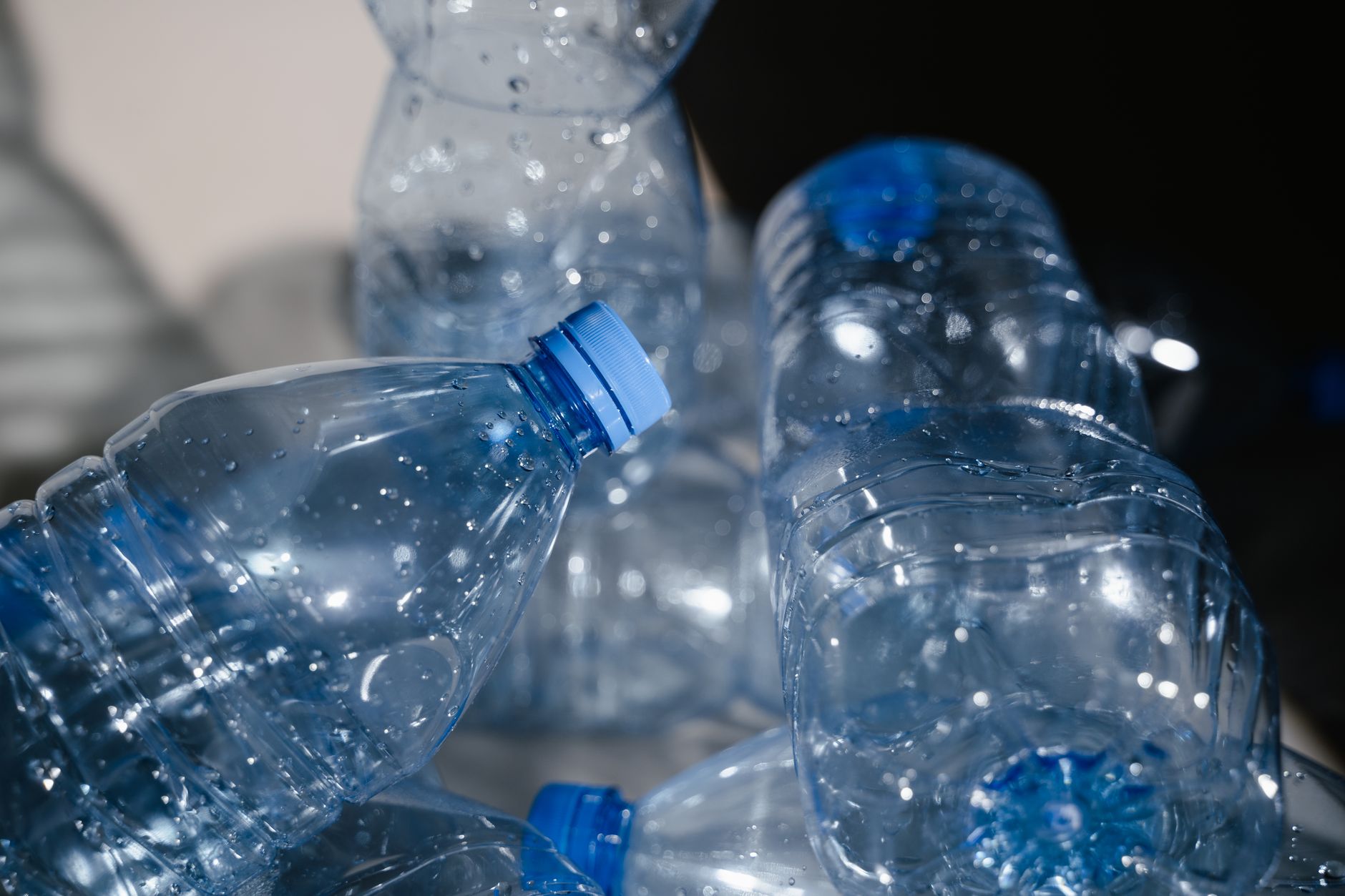
Bottled water has become a staple in many diets and lifestyles, offering convenience and hydration without the environmental impact of single-use plastics. With so many options on the market, choosing the best bottled water can feel overwhelming. This article will provide a thorough overview of bottled water types, what to look for in quality brands, and insights into the most reputable bottled water classifications.
In this guide, you will learn about the different types of bottled water, how to compare brands, and tips for selecting the best water for your needs. Whether you’re looking for something to stay hydrated during workouts or a refreshing drink at the beach, understanding bottled water can help you make an informed choice.
What Is The Best Bottled Water?
The best bottled water depends on various factors, including source quality, mineral content, taste, and personal preference. Some popular options include spring water, distilled water, mineral water, and purified water. Ultimately, the choice boils down to individual needs and tastes.
Types of Bottled Water
Bottled water comes in several varieties, each with unique characteristics. Understanding these can help you choose the one that best fits your preferences and health recommendations.
Spring Water
Spring water is derived from natural springs and must be collected at the source. It usually contains minerals and has a refreshing taste. This type of water is often preferred for its natural origins and mineral content.
Mineral Water
Mineral water contains a higher concentration of minerals, such as calcium, magnesium, and potassium. It is sourced from mineral springs and is often regarded for its health benefits. The mineral composition can give it a distinct flavor, which many find appealing.
Distilled Water
Distilled water is purified through a process of boiling and condensation, removing impurities, minerals, and contaminants. While it is incredibly pure, some people find it lacks flavor and essential minerals compared to other types.
Purified Water
Purified water can come from any source but undergoes a rigorous filtration and purification process to remove impurities. It is often processed to meet specific safety standards and is generally very clean, making it a safe choice.
Tap Water vs. Bottled Water
Although tap water is a common and cost-effective option, bottled water often wins out for portability and convenience. However, tap water strategically treated and filtered can be just as safe and healthy. It’s essential to know the quality of your local tap water to make a fair comparison.
How to Choose the Right Bottled Water
When selecting the best bottled water for your needs, consider the following factors:
- Source: Look for brands that clearly state where their water is sourced. Natural springs and reliable filtration methods are preferable.
- Mineral Content: Consider whether you prefer a water high in minerals (like mineral and spring water) or something purer (like distilled or purified water).
- Taste: Different waters have different flavor profiles. It’s worth trying a few kinds to see which you prefer.
- Environmental Impact: Look for brands that use eco-friendly packaging and sustainable practices.
- Certifications: Check for any safety certifications or third-party testing results that confirm quality and purity.
Tasting Notes
If you’re uncertain which bottled water you’ll enjoy most, consider organizing a taste test with friends or family. Sample several different brands and types side by side to evaluate taste differences, preferences, and overall enjoyment. Make sure to cleanse your palate between tastings with neutral flavors like plain bread.
Popular Bottled Water Brands
Not all bottled water brands are created equal. Here’s a look at some popular bottled water brands that stand out in the market:
Evian
Evian is sourced from the French Alps and is renowned for its mineral content and crisp flavor. Rich in calcium, magnesium, and bicarbonates, many people enjoy its taste and health benefits.
Fiji Water
Fiji water hails from a volcanic aquifer in Fiji, giving it a unique taste profile attributed to its mineral-rich environment. It’s often praised for its smooth texture and pH-balanced properties.
Smartwater
Smartwater is vapor-distilled, resulting in a clean, crisp taste. The brand also adds electrolytes for taste, making it a popular choice among active individuals.
Perrier
Perrier is a sparkling mineral water sourced from France’s Vergèze spring. It is known for its high carbonation and refreshing taste, making it a fantastic alternative to soda.
Volvic
Volvic water is sourced from the Auvergne region of France and is characterized by its refreshing and smooth taste. Volvic’s unique filtration process through basalt rock lends it a distinct mineral profile.
Pricing and Value Comparison
When it comes to bottled water, prices can vary widely based on brand, source, and packaging. Here’s a rough breakdown of what you might expect:
| Brand | Type | Average Price (1 liter) |
|---|---|---|
| Evian | Spring Water | $1.50 – $3.00 |
| Fiji | Spring Water | $2.00 – $4.00 |
| Smartwater | Purified Water | $1.00 – $2.50 |
| Perrier | Sparking Mineral Water | $1.50 – $3.00 |
| Volvic | Spring Water | $1.00 – $3.00 |
When selecting bottled water, consider not just the price but also how often you’ll consume it and the unique benefits of each type. Sometimes, spending a little more on quality can provide a more satisfying experience.
Health Considerations
Staying hydrated is essential for overall health. However, not all bottled water is created for the same health benefits. Here are some considerations:
- Chlorine and Fluoride: Some bottled waters may have been treated with chlorine or other chemicals. Check labels for negative mentions or unknown substances.
- Plastic Concerns: Some plastic bottles can leach chemicals over time, especially in heat. It’s best to store bottled water in a cool area away from sunlight.
- Hydration Needs: Choose a type of bottled water that fits your hydration needs. For workouts, consider electrolyte-rich options; for everyday use, pure water may suffice.
Environmental Impact of Bottled Water
Amid the growing concerns about single-use plastic, many consumers are increasingly mindful of the environmental effects of bottled water production. Here are some points to consider:
- Plastic Waste: Single-use bottles contribute significantly to plastic pollution. Consider brands that offer reusable bottles or focused on sustainable practices.
- Water Resources: The extraction of groundwater for bottled water can lead to depletion of local water sources, impacting the environment.
- Sustainable Brands: Look for brands committed to environmental responsibility, such as those using recycled materials or supporting conservation efforts.
Conclusion
Choosing the best bottled water ultimately depends on personal preferences and values. Factors such as taste, source, mineral content, and environmental impact play a significant role in making the right choice. By understanding the different types of bottled water and the brands available in the market, you can select a product that aligns perfectly with your hydration needs and lifestyle. Remember to support brands prioritizing sustainability and high-quality sourcing for a healthier planet.
Explore more related articles or guides to deepen your understanding of food, beverages, and sustainable practices. Discover what is the best bottled water to drink, or explore new recipes and cooking tips from our related resources!