
Food poisoning can cause a variety of uncomfortable symptoms that leave you feeling weak and nauseated. While it’s crucial to give your body time to recover, the right foods can help soothe your stomach and replenish lost nutrients. Understanding what to eat during this recovery phase can make a significant difference in how quickly you bounce back.
In this article, we’ll explore the best foods to consume when dealing with food poisoning, what symptoms to watch out for, and tips for easy meal preparation that won’t irritate your stomach.
What To Eat With Food Poisoning?
When experiencing food poisoning, it’s essential to stick to bland, easy-to-digest foods that won’t upset your stomach further. These foods can help ease symptoms while providing your body with the nourishment it needs to recover. Typical options include broth-based soups, plain rice, toast, bananas, and applesauce.
Understanding Food Poisoning Symptoms
Food poisoning symptoms can vary depending on the source of contamination and may include:
- Nausea
- Vomiting
- Diarrhea
- Stomach cramps
- Fever
- Fatigue
If symptoms persist for more than a couple of days, or if you experience severe dehydration, it is essential to seek medical attention.
Bland Foods to Eat
Below is a list of foods that are generally safe and easy to digest when experiencing food poisoning:
- Clear Broths: Chicken or vegetable broth helps keep you hydrated.
- Rice: Plain white rice is easily digestible and can help bind stool.
- Toast: Plain toast, preferably without butter, helps settle the stomach.
- Bananas: They provide potassium that helps restore electrolytes.
- Applesauce: A good source of pectin, which can help firm up stools.
- Boiled Potatoes: Avoid butter or seasoning; they can be gentle on your digestive system.
- Oatmeal: Soft oatmeal is another bland option that is easy on the stomach.
- Plain Crackers: Simple saltines can work well for settling nausea.
- Popsicles: Keep hydrated with electrolyte-rich popsicles, especially if you’re feeling queasy.
Hydration: The Key To Recovery
Staying hydrated is crucial when recovering from food poisoning. Dehydration can result from vomiting and diarrhea, so here are some hydration options:
- Water: The best way to stay hydrated is to drink plenty of water.
- Electrolyte Solutions: Sports drinks or oral rehydration solutions can replenish essential salts and minerals.
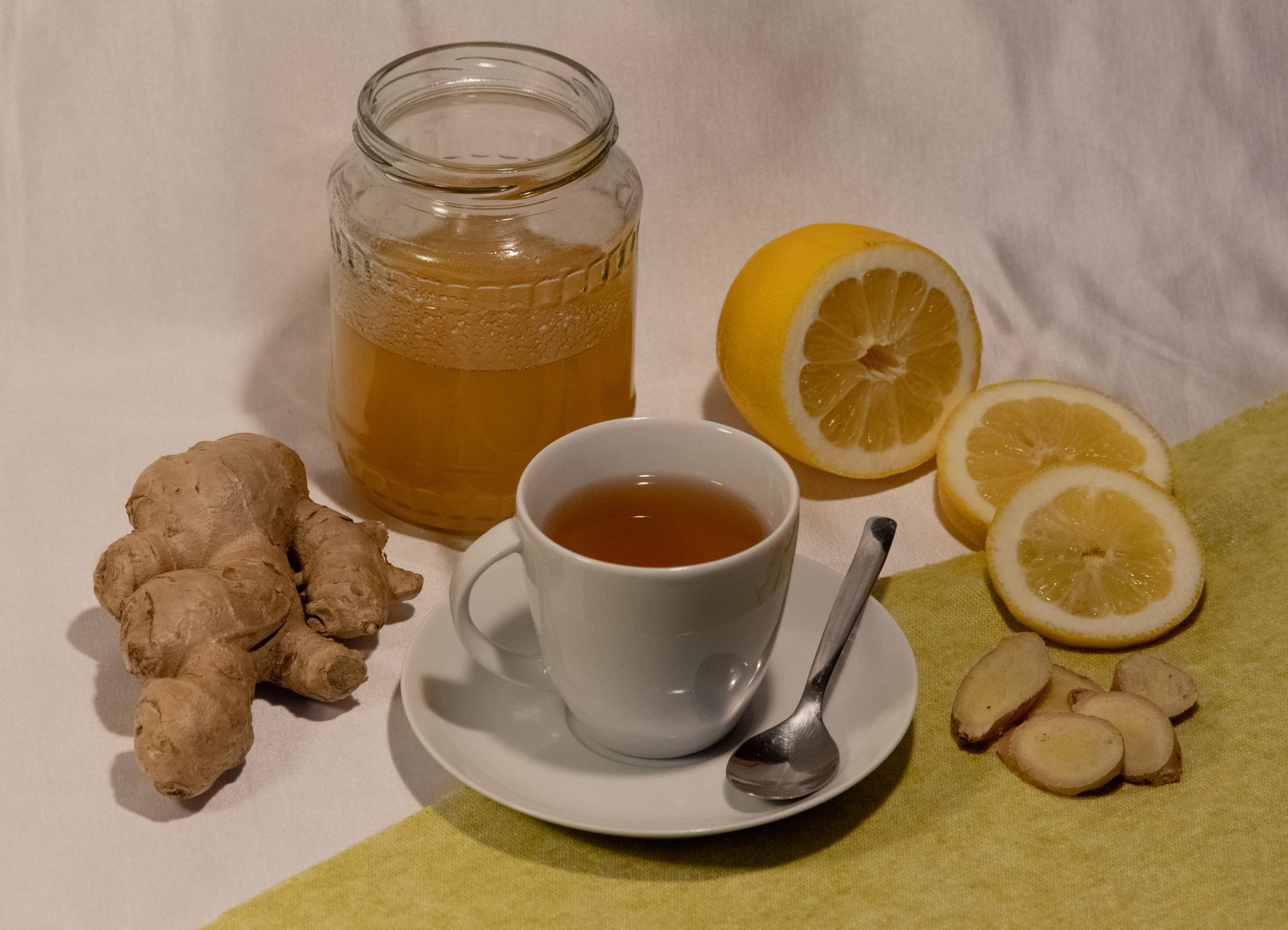
- Herbal Teas: Chamomile and peppermint teas can be soothing and aid digestion.
Foods to Avoid
While some foods can help you through this challenging time, others can exacerbate symptoms. Avoid the following:
- Fatty Foods: Greasy foods can worsen nausea and slow digestion.
- Dairy Products: Milk and cheese can be difficult to digest after gastrointestinal distress.
- Spicy Foods: These can irritate the stomach lining.
- Caffeinated Beverages: Coffee and some sodas can lead to stomach upset.
- Alcohol: Alcoholic beverages can dehydrate and irritate your stomach.
Simple Recipes for Recovery
1. Chicken Broth Soup
This comforting soup is gentle on your stomach and helps maintain hydration while providing nutrients.
Servings: 4 | Preparation Time: 10 minutes | Cooking Time: 20 minutes | Total Time: 30 minutes
Ingredients:
- 4 cups chicken broth
- 1 cup diced carrots
- 1 cup diced celery
- 1 cup shredded cooked chicken
- Salt and pepper to taste (optional)
Equipment:
- Large pot
- Cutting board
- Knife
Instructions:
- In a large pot, bring the chicken broth to a boil.
- Add the diced carrots and celery, and reduce the heat to a simmer.
- Let the vegetables cook until tender, about 10 minutes.
- Add the shredded chicken and simmer for an additional 5 minutes until heated through.
- Season with salt and pepper if desired. Serve warm.
2. Banana Oatmeal
This simple oatmeal recipe is filling while being gentle on your system.
Servings: 1 | Preparation Time: 5 minutes | Cooking Time: 5 minutes | Total Time: 10 minutes
Ingredients:
- 1 cup water or milk (dairy or non-dairy)
- 1/2 cup rolled oats
- 1 ripe banana, mashed
- Honey to taste (optional)
Equipment:
- Small saucepan
- Measuring cups
- Stirring spoon
Instructions:
- In a small saucepan, bring water or milk to a boil.
- Add the rolled oats, reduce the heat, and simmer for about 5 minutes, stirring occasionally.
- When oatmeal has thickened, stir in the mashed banana.
- If desired, add honey for sweetness. Serve warm.
Timing Your Meals
Eating small, frequent meals rather than three large ones can be beneficial during recovery. This approach allows for better digestion while ensuring you’re getting enough nutrients without overwhelming your system.
How To Gradually Reintroduce Foods
As you begin to feel better, you can gradually reintroduce more complex foods. Follow this order to ease your digestive system back into normal eating:
- Start with the bland foods mentioned above.
- Introduce more fiber-rich foods like whole grains and steamed vegetables.
- Add lean proteins like chicken, turkey, or fish.
- Reintroduce dairy, but only if you are sure it doesn’t upset your stomach.
- Finally, include varied foods to complete your diet.
Tips for Easy Meal Prep
When recovering from food poisoning, keeping your meal preparation simple can help. Here are some tips:
- Prepare simple recipes that require minimal cooking time.
- Cook in large batches (like soups or broths), so you have easy meals when you’re not feeling your best.
- Use single-serving sizes to help avoid overeating.
- Have bland snacks like crackers and bananas on hand.
When To Seek Medical Attention
Most cases of food poisoning resolve on their own, but in certain situations, medical intervention is necessary. Seek immediate care if:
- Severe symptoms persist for more than 48 hours.
- You experience high fever (above 101.5°F or 38.6°C).
- There is blood in your stool or vomit.
- You show signs of severe dehydration, such as dizziness or a dry mouth.
Conclusion
Recovering from food poisoning involves proper hydration and consuming bland, nutritious foods to help your body heal. By sticking with easily digestible options like broths, rice, and bananas, you can navigate this uncomfortable experience more smoothly. Remember, if your symptoms don’t improve or you notice concerning signs, reaching out for medical help is essential.
Explore related recipes for post-illness recovery with what to eat after vomiting or learn about foods rich in probiotics with what foods have probiotics.