
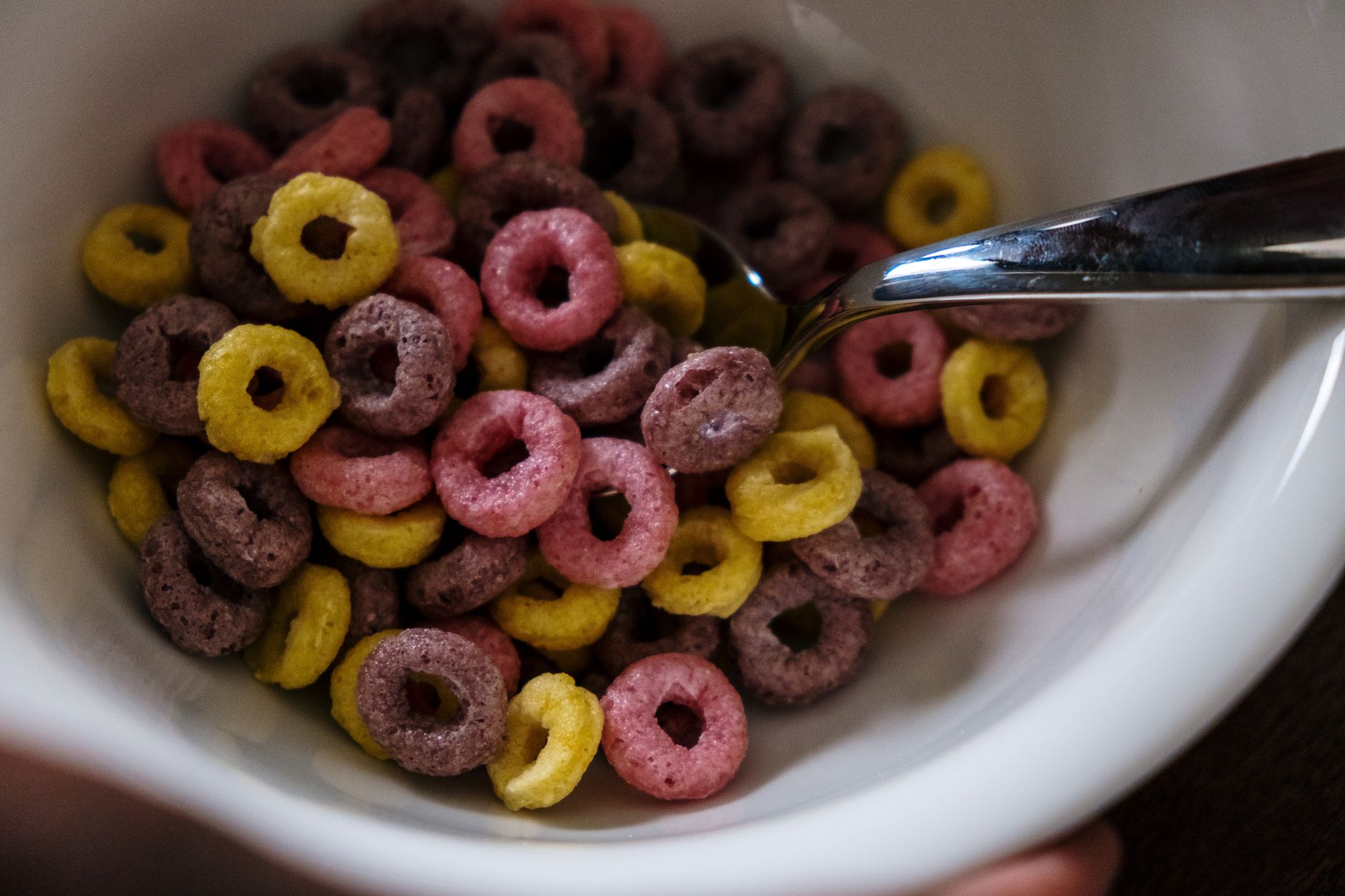
Cereal is a staple breakfast food for many, often marketed as a quick and convenient way to start the day. However, questions about its nutritional value and potential health effects abound. This article will explore whether cereal is bad for you, looking closely at its ingredients, potential health impacts, and suitable alternatives.
Understanding cereal’s role in a balanced diet requires examining its ingredients, the type of cereal consumed, and individual dietary needs. By breaking down these factors, we can determine how to enjoy cereal as part of a healthy eating plan.
Is Cereal Bad For You?
The answer to whether cereal is bad for you is not a simple yes or no. It largely depends on the type of cereal consumed, the serving size, and how it fits into an individual’s overall diet. Some cereals provide essential nutrients and fiber, while others can be high in sugar and low in protein.
The Nutritional Profile of Cereal
When evaluating whether cereal is healthy or not, it is essential to consider its nutritional profile. Most cereals contain the following key components:
- Whole grains: Many cereals are made from whole grains, which provide dietary fiber, B vitamins, and essential minerals.
- Added sugars: Some cereals, especially those marketed towards children, can be high in added sugars, which can contribute to excessive calorie intake and health issues.
- Fiber: Fiber content is critical for digestive health. A high fiber cereal can help with satiety and may assist with weight management.
- Proteins: Most cereals are low in protein unless fortified or combined with other sources such as milk or yogurt.
What Makes Cereal Unhealthy?
Not all cereals are created equal, and specific types can be less healthy. Here are some key factors that make certain cereals potentially unhealthy:
High Sugar Content
Cereals high in added sugars can lead to a spike in blood sugar levels and may contribute to weight gain over time. The American Heart Association recommends limiting added sugars to no more than 6% of total daily calories.
Low Nutritional Value
Some cereals are made from refined grains that have been stripped of their nutritional benefits. These cereals typically contain little fiber, protein, and essential vitamins, making them less suitable for a balanced breakfast.
Poor Ingredient Quality
Certain cereals may contain artificial additives, preservatives, and unhealthy fats. Reading the ingredient list on packaging can help identify lesser-quality options.
Portion Size
Even healthy cereals can be detrimental to your health if consumed in excessive portions. It’s essential to respect serving sizes, which can vary significantly between brands and types.
Choosing Healthier Cereals
To enjoy cereal as part of a healthy diet, consider the following tips when selecting a healthier option:
- Read labels: Look for cereals with whole grains as the first ingredient and minimal added sugars. Aim for less than 10 grams of sugar per serving.
- Check fiber content: Choose cereals with at least 3 grams of fiber per serving to promote digestive health.
- Choose higher protein options: Consider cereals that are higher in protein or consider adding protein sources like Greek yogurt or nuts to your cereal.
- Watch portion sizes: Use measuring cups to get a clear idea of serving sizes. Portion control can prevent overeating.
Cereal Alternatives
If you find that traditional cereals do not fit your dietary needs or preferences, there are numerous alternatives available. Here are some healthy options:
Oats
Oatmeal is an excellent fiber-rich choice for breakfast. It can be made sweet or savory and topped with fruits, nuts, or yogurt. Instant oatmeal can be convenient, but opting for rolled or steel-cut oats is often healthier.
Chia Seeds
Chia seeds are a nutritious and versatile option. When soaked, they form a gel-like consistency, making them perfect for chia puddings. They are high in fiber, omega-3s, and protein.
Granola
Granola made primarily from oats, nuts, seeds, and dried fruit can be a good option when homemade. Store-bought granola often contains sugars and unhealthy oils, so consider making your own for better control over ingredients.
Yogurt Parfait
A yogurt parfait, layering Greek yogurt with fruits, nuts, and a sprinkle of granola, offers a balanced meal packed with protein, healthy fats, and probiotics.
Incorporating Cereal into a Balanced Diet
Cereal can be part of a healthy diet when consumed in moderation and combined with other nutritious foods. Here are some strategies for incorporating cereal into your meals:
Combining with Protein
Pairing cereal with a high-protein food like Greek yogurt or milk can enhance satiety and improve the meal’s overall nutrient profile.
Adding Fruits and Nuts
Enhance the flavor and nutritional quality of your cereal by adding fresh fruits such as berries, bananas, or apples. Nuts or seeds can provide healthy fats and protein.
Meal Timing
Consider the timing of your cereal consumption. It can be a good option for breakfast, but it can also serve as a light evening snack if you’re looking for something quick and portable that still provides some nutrients.
Cooking Techniques
Using cereal as a base for baked goods is another option. You can incorporate crushed cereal in recipes for cookies, bars, or as a crispy topping for baked desserts.
Health Concerns Related to Cereal Consumption
For some people, specific dietary concerns may necessitate avoiding certain cereals. Here are a few things to consider:
Gluten Sensitivity
Individuals with celiac disease or gluten intolerance should opt for gluten-free cereals. Many mainstream options contain wheat, barley, or rye, which are not safe for gluten-sensitive individuals.
High Carbohydrate Content
Those on low-carb or ketogenic diets may find traditional cereals unsuitable because of their carbohydrate content. However, low-carb alternatives like nut-based cereals or seed mixes can provide satisfying, nutritious options.
Allergies
Some cereals may contain common allergens, such as nuts or soy. Always check the label for potential allergens if you have dietary restrictions.
The Impact of Cereal Marketing
Advertising shapes consumer perceptions of cereals and their health benefits. Many brands promote the notion that cereal is a healthy breakfast option, often highlighting vitamins and minerals.
However, these claims can sometimes distract consumers from more critical aspects, such as sugar content and overall dietary balance. Understanding marketing strategies can help you make more informed choices.
Myths and Misconceptions about Cereal
Several myths surround cereal that can lead to confusion:
Cereal is Always Healthy
While some cereals are healthy, many options are filled with sugar and lack essential nutrients. Always read labels to discern the nutritional value.
All Cereals are Whole Grain
Not all cereals made from grains are whole grain. Look for “100% whole grain” or “whole grain” listed as the first ingredient.
You Can’t Eat Cereal at Night
Cereal can fit any meal, including dinner or a nighttime snack. It’s about choosing the right cereals and portion sizes.
Practical Tips for Storing Cereal
Proper storage can extend the freshness of cereal. Here are tips to keep your cereal in good condition:
- Airtight Containers: Store opened cereal bags in airtight containers to maintain freshness and prevent staleness.
- Cool, Dry Place: Keep cereals in a cool, dry location away from moisture and heat sources.
- Check Expiration Dates: Regularly check the expiration dates and discard expired products.
Conclusion
Cereal isn’t inherently bad for you, but its health effects depend on the type chosen and how it’s consumed. By selecting whole grain, low-sugar options and complementing them with healthy add-ins, cereal can be part of a nutritious breakfast. Furthermore, considering alternatives and following proper storage practices can enhance your overall dietary experience.
As you continue your exploration of healthful eating, consider looking into the benefits of chia seeds or trying a delicious chia pudding recipe with coconut milk for a nourishing breakfast or snack. Enjoy discovering new and healthier food options!