
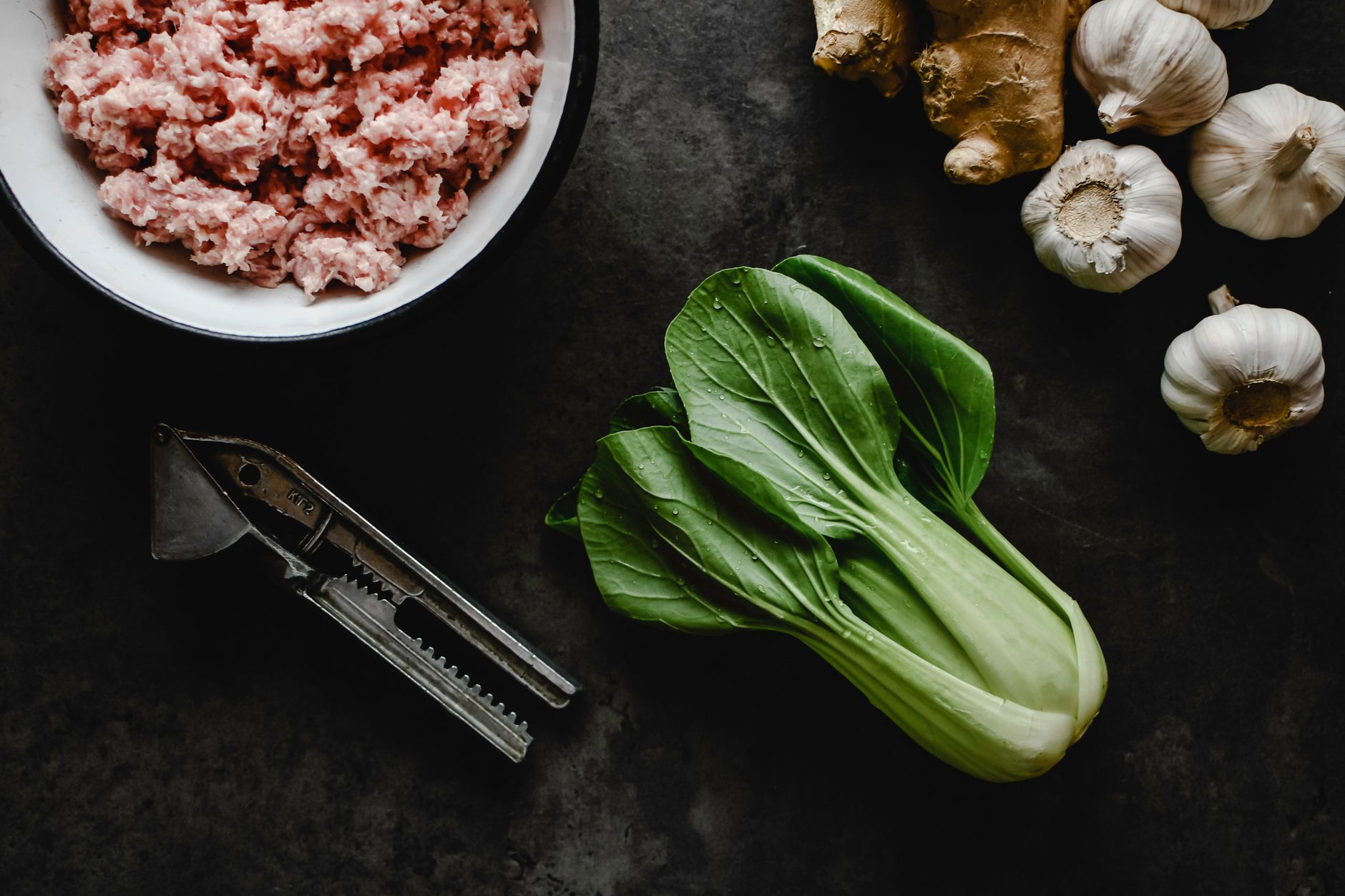
Bok Choy, a popular leafy green vegetable in many cuisines, particularly Asian dishes, is often sought after for its unique flavor and nutritional benefits. But if you’re a dog owner wondering whether this vegetable is safe for your furry friend, you may have questions about its effects on your dog’s health.
In this guide, we will explore whether dogs can safely eat bok choy, its potential health benefits, any associated risks, and ways to incorporate it into your dog’s diet. By understanding more about bok choy, you can make informed choices for your pet’s nutrition.
Can Dogs Eat Bok Choy?
Yes, dogs can eat bok choy in moderation. Bok choy is non-toxic and can be a healthy addition to your dog’s diet. It provides vitamins and minerals that are beneficial but should be introduced slowly to avoid any digestive issues.
Understanding Bok Choy
Bok choy, also known as Chinese cabbage, is a cruciferous vegetable that belongs to the Brassica family, which includes broccoli, cabbage, and kale. This vegetable has crisp, white stalks and dark green leaves, offering a slightly sweet and mild flavor profile. It’s rich in vitamins A, C, and K, and contains minerals like calcium and potassium.
Health Benefits of Bok Choy for Dogs
Adding bok choy to your dog’s diet can provide several health benefits:
- Vitamins and Nutrients: Bok choy is high in vitamins A, C, and K, which help support your dog’s immune system, promote healthy skin and coat, and strengthen bones.
- Low in Calories: This vegetable is low in calories, making it a good option for dogs that need to control their weight.
- High in Fiber: The fiber content can aid in digestion and help prevent constipation.
- Antioxidant Properties: Bok choy is rich in antioxidants, which may help reduce inflammation and protect against certain diseases.
How to Safely Introduce Bok Choy to Your Dog
If you decide to feed bok choy to your pet, here’s how to do it safely:
- Consult with Your Veterinarian: Before introducing any new food, it’s always wise to consult with your vet, especially if your dog has pre-existing health conditions.
- Start with Small Amounts: Begin with a small portion of cooked or raw bok choy to see how your dog reacts. Monitor for any signs of digestive upset.
- Wash Thoroughly: Always wash bok choy thoroughly to remove any pesticides or chemicals.
- Cook Lightly: Lightly steaming or sautéing bok choy can make it easier for your dog to digest. Avoid seasoning, butter, or oils that may be harmful.
Risks of Feeding Bok Choy to Dogs
While bok choy can be beneficial, there are a few risks to consider:
- Digestive Issues: Some dogs may experience gas, bloating, or diarrhea when consuming bok choy. Monitor your dog closely after their first introduction.
- Goitrogens: Like many cruciferous vegetables, bok choy contains goitrogens, which can interfere with thyroid function if consumed in excessive amounts. Moderation is key.
- Allergic Reactions: Though rare, some dogs might have allergies or sensitivities to specific vegetables. Be vigilant for any signs of allergic reactions.
How to Prepare Bok Choy for Dogs
Here’s a quick guide on how to prepare bok choy for your dog to ensure it’s safe and tasty:
- Wash: Start by washing bok choy under running water to remove any dirt or pesticides.
- Trim: Cut off the base and remove any wilted leaves. You can use both the leaves and the stalks.
- Cooking Options:
- Steaming: Lightly steam the bok choy for about 2-3 minutes until slightly tender. This retains most of its nutrients.
- Boiling: Boil in water for about 3-5 minutes. Drain and allow it to cool before serving.
- Stir-Frying: Sauté lightly without seasoning, just for a couple of minutes, to soften the leaves.
- Cool: Allow the cooked bok choy to cool down before offering it to your dog.
- Serve in Small Pieces: Cut it into small, manageable pieces to prevent choking.
Recipe Ideas Incorporating Bok Choy for Dogs
If you’re looking to add bok choy into your dog’s meals, here are some simple recipe ideas:
Bok Choy and Chicken Stir-Fry
This hearty dish is not only full of nutrients but it’s also appealing to your dog’s taste buds.
- Ingredients:
- 1 cup cooked chicken, shredded
- 1 cup bok choy, washed and chopped
- 1/2 cup carrots, diced
- 1 tablespoon olive oil (optional)
- Instructions:
- In a skillet, heat olive oil over low heat.
- Add diced carrots and bok choy. Cook for 3-4 minutes until they soften.
- Add the cooked chicken, mixing all ingredients well.
- Serve when cooled to a comfortable temperature.
Vegetable Medley for Dogs
Mix bok choy with other vegetables for a nutritious side dish.
- Ingredients:
- 1 cup bok choy, chopped
- 1/2 cup green beans, trimmed
- 1/2 cup sweet potato, peeled and diced
- 1 tablespoon water or broth (no salt added)
- Instructions:
- Bring water or broth to a boil in a saucepan.
- Add sweet potatoes and green beans, cook for 8-10 minutes until tender.
- Add bok choy for the last 2 minutes of cooking.
- Drain and serve cooled.
Common Mistakes When Feeding Bok Choy to Dogs
Avoid these pitfalls to keep your dog healthy:
- Overfeeding: Bok choy should only be an occasional treat, not a staple in your dog’s diet.
- Ignoring Allergies: If your dog shows any signs of discomfort, discontinue feeding bok choy immediately and consult a vet.
- Seasoning: Never add salt, onion, garlic, or other seasonings that can be harmful to dogs.
Storage and Reheating Tips for Bok Choy
Here are some tips for storing and reusing bok choy:
- Raw Bok Choy: Store in the refrigerator in a plastic bag; try to use it within a week for optimal freshness.
- Cooked Bok Choy: Store in an airtight container in the refrigerator for up to 3 days.
- Reheating: If reheating, do so gently in a microwave or on the stovetop without adding any seasonings.
Final Thoughts on Dogs and Bok Choy
Bok choy can be a beneficial addition to your dog’s diet as long as it’s served properly and in moderation. By following the guidance provided in this article, you can safely experiment with incorporating this nutritious vegetable into your dog’s meals. Always consult with your veterinarian to ensure your dog’s specific health needs are met.
For additional insights into canine diets, consider exploring other ingredients safe for dogs, tips for healthy meals, or general pet care advice to ensure your dog remains happy and well-fed.