
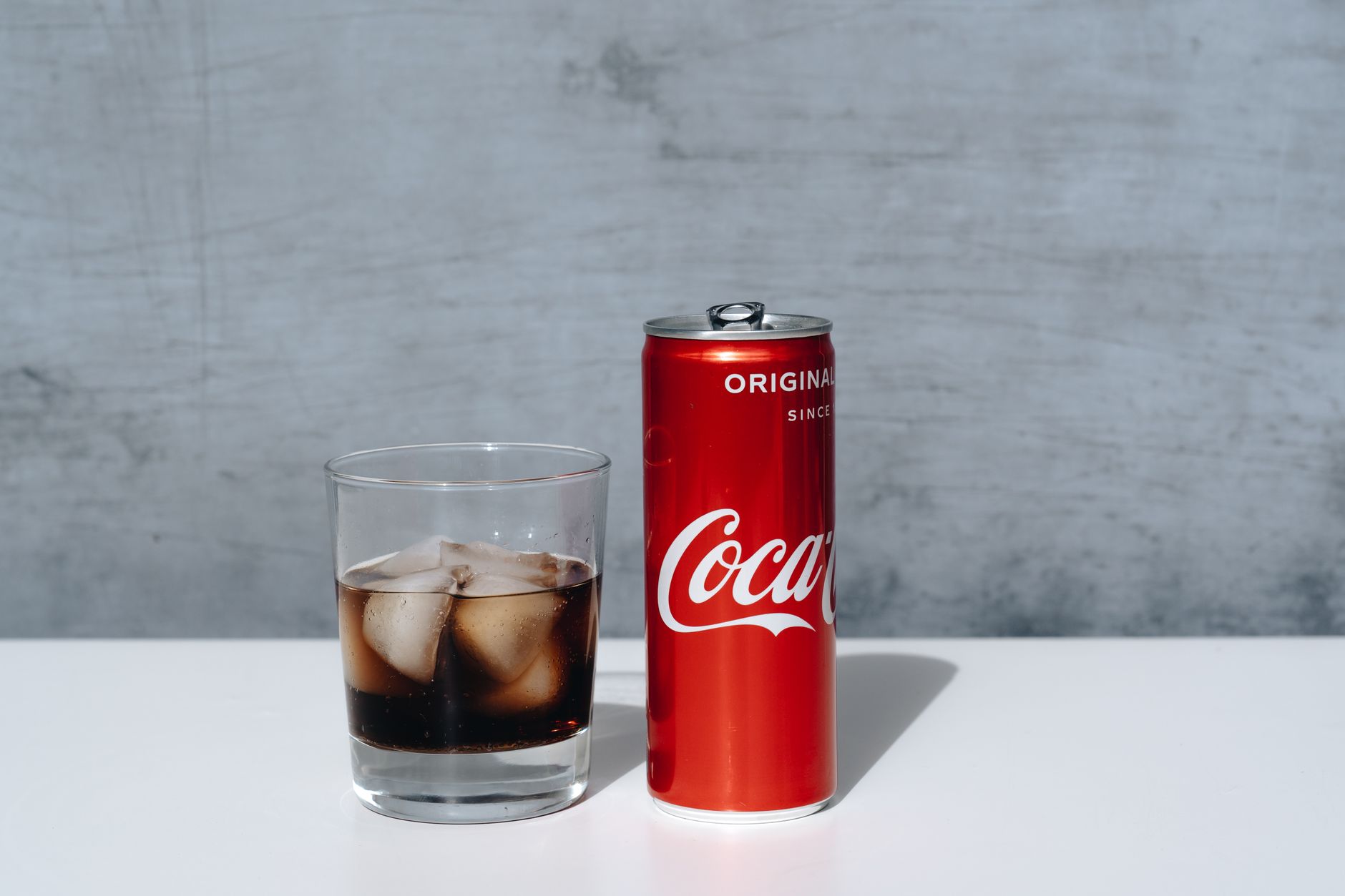
Cola is a popular soft drink enjoyed around the world, often accompanied by meals, snacks, or as refreshment on its own. However, many people experience bloating after consuming cola. Understanding the causes of bloating linked to cola can help in making informed dietary choices.
This article delves into the reasons behind cola-induced bloating, its ingredients, what effects they have on the body, and strategies to minimize discomfort while enjoying this fizzy beverage.
Can Cola Cause Bloating?
Yes, cola can cause bloating. The carbonated nature of cola introduces gas into the digestive system, which often leads to feelings of fullness and distension in the abdomen. Additionally, certain ingredients in cola may exacerbate these symptoms in sensitive individuals.
Understanding Bloating
Bloating is characterized by a swollen or distended abdomen and can be accompanied by pain, gas, and discomfort. It occurs when the gastrointestinal (GI) tract is filled with air or gas. Factors contributing to bloating include food choices, eating habits, and digestion processes.
What Causes Bloating?
Several factors can cause bloating, including:
- Swallowing air: This can happen during drinking or eating, especially with carbonated beverages.
- Food intolerance: Certain individuals may have trouble digesting specific ingredients.
- Gut bacteria: Fermentation occurs in the gut, producing gas as a byproduct.
- Overeating: Consuming large meals can stretch the stomach and cause discomfort.
The Ingredients in Cola
To understand why cola might cause bloating, it’s essential to look at its ingredients:
Carbonation
Cola is carbonated, meaning it has dissolved carbon dioxide gas. When you drink carbonated beverages, gas can accumulate in the GI tract, causing bloating and discomfort. The release of carbon dioxide occurs as the beverage warms or is agitated, leading to gas release in the digestive system.
Sugar and Artificial Sweeteners
Cola contains either sugar or artificial sweeteners like aspartame or sucralose. High sugar content can lead to an overload of calories, contributing to bloating and overall discomfort, especially when combined with carbonation. Artificial sweeteners, while lower in calories, can cause digestive issues for some people, leading to further bloating and gas.
Caffeine
Many colas contain caffeine, which can stimulate gastric acid production. For some individuals, this may lead to heartburn or indigestion, contributing to feelings of bloating. Furthermore, caffeine is a diuretic, which can affect hydration and influence bloating patterns.
Phosphoric Acid
Phosphoric acid, often used in colas, can also contribute to bloating. While it provides a tangy flavor, it may interfere with digestive processes and exacerbate symptoms for sensitive individuals.
Preservatives and Flavor Enhancers
Various preservatives and flavor enhancers in cola may also affect digestion. Ingredients like sodium benzoate can retain water in the body, leading to a sense of fullness and bloating.
Who is Most Affected by Bloating from Cola?
While anyone can experience bloating, certain individuals are more susceptible. Those with:
- Food intolerances, especially to sweeteners.
- Existing gastrointestinal conditions like Irritable Bowel Syndrome (IBS).
- Sensitivity to carbonation or overconsumption habits.
Strategies to Minimize Bloating from Cola
If you enjoy cola but find it leads to bloating, consider the following strategies:
Moderation is Key
Limit the amount of cola you consume in a single sitting. Smaller servings allow your digestive system to handle the carbonation better without overwhelming it.
Opt for Smaller Amounts
Consider smaller serving sizes or switching to products with lower carbonation. Many brands offer non-carbonated beverages that provide similar flavors without the gas issue.
Stay Hydrated
Drinking water throughout the day can help alleviate bloating by promoting digestion and adjusting fluid levels in the body. This encourages proper digestion and might offset gaseous build-up.
Mindful Consumption
Drink cola slowly and avoid gulping, which can lead to swallowing excess air. Sip from a glass instead of directly from a can or bottle, which can also help control the amount of air ingested.
Consider Alternative Beverages
Explore alternatives to cola that might not cause bloating, such as herbal teas or flavored waters. These options can provide unique flavors without carbonation or high sugar content.
Common Misconceptions About Cola and Bloating
Several myths surround the relationship between cola and bloating. Addressing these misconceptions can help clarify the issue:
Myth: Diet Sodas Do Not Cause Bloating
While diet sodas do have lower calories, they can still lead to bloating due to carbonation and artificial sweeteners, which many find difficult to digest.
Myth: Only Carbonated Drinks Cause Bloating
Though carbonated beverages are notorious for causing bloating, other liquids high in sugar and certain ingredients can contribute to bloating as well. It’s essential to pay attention to all aspects of your diet.
Myth: Bloating Is Always a Serious Condition
While chronic bloating can indicate an underlying health issue, occasional bloating due to dietary choices, such as consuming cola, is typically not a cause for concern.
When to Seek Medical Advice
If bloating occurs frequently or is accompanied by severe discomfort, diarrhea, or other persistent digestive symptoms, it may be essential to consult a healthcare professional. Chronic bloating can indicate food intolerances, IBS, or other underlying health conditions that merit investigation.
Final Thoughts on Cola and Bloating
Cola can cause bloating primarily due to its carbonation and specific ingredients, such as sugar and artificial sweeteners. Understanding your body’s response to cola and making mindful adjustments can help minimize discomfort while enjoying your favorite fizzy drinks.
Experiment with various consumption habits and alternative beverages if you find that cola consistently leads to bloating. Being proactive about dietary choices can keep your digestive health in check and enhance your overall dining experience.
For more insights into different food curiosities, you might explore what pho tastes like or learn how long pho lasts in the fridge. Each culinary choice can hold unique properties and effects on your palate, as well as your digestive comfort.