
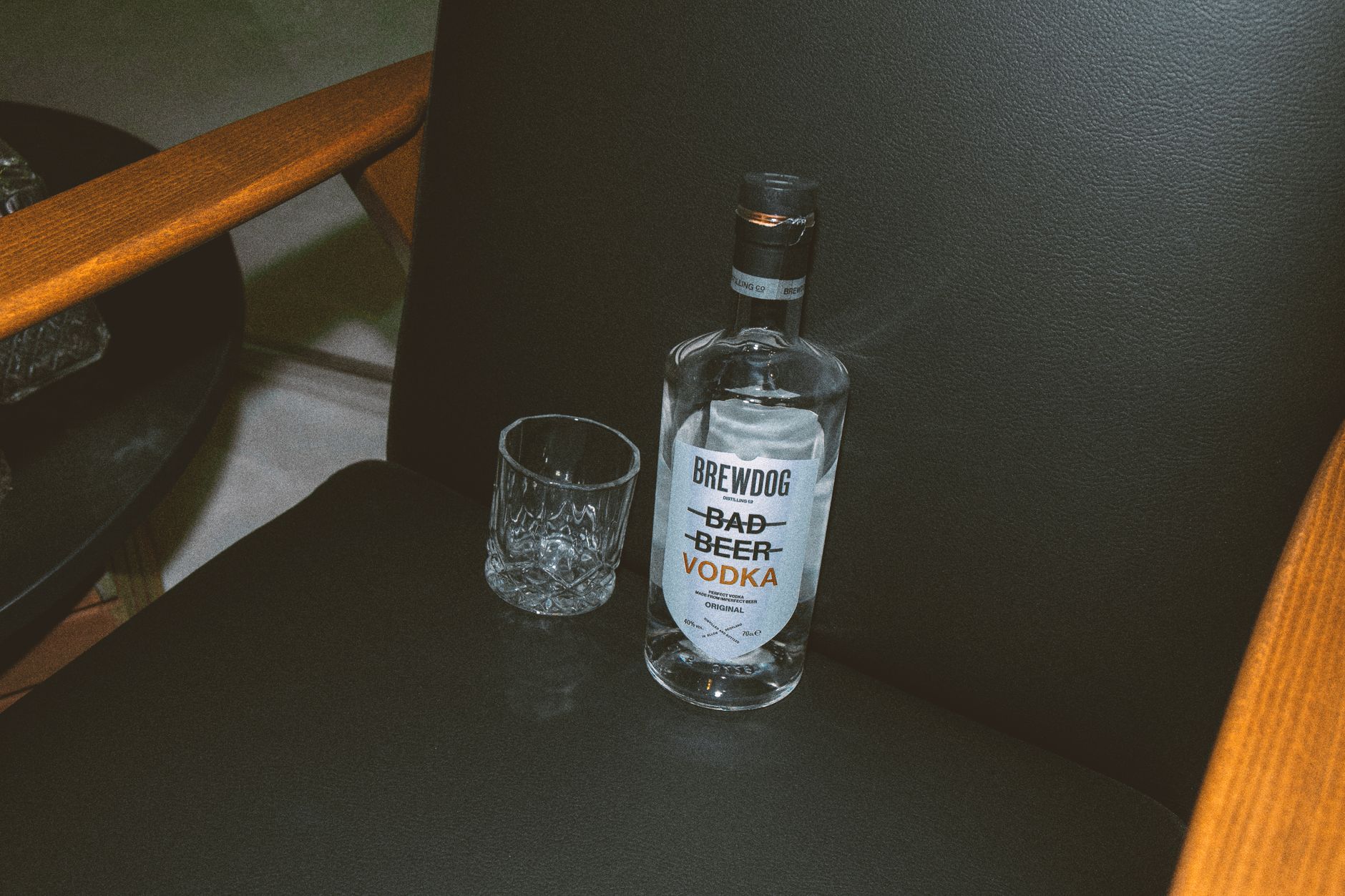
Vodka is a clear, distilled alcoholic beverage that has gained widespread popularity around the world. This versatile spirit can vary in flavor, texture, and quality, making it a staple ingredient in countless cocktails and mixed drinks.
Understanding vodka—from its production methods to its various styles—can enhance your cocktail-making skills and appreciation for this timeless spirit. Let’s explore what vodka is, how it’s made, its diverse uses, and some popular vodka-based recipes.
What Is Vodka?
Vodka is defined as a clear, colorless distilled spirit typically made from fermented grains or potatoes. The alcohol content usually ranges between 30% and 50%, depending on regional regulations and types. Vodka is known for its neutral flavor, which allows it to blend seamlessly with a variety of mixers, making it a favored choice in cocktails.
The History and Origin of Vodka
The origins of vodka can be traced back to Eastern Europe, particularly Russia and Poland, where it has been produced since at least the 8th or 9th century. The word “vodka” is derived from the Slavic word “voda,” meaning “water.” Historically, vodka was used for medicinal purposes and in religious ceremonies before becoming the popular beverage we know today.
How Is Vodka Made?
Vodka is produced through a process of fermentation, distillation, and filtration. Below are the steps involved in vodka production:
- Raw Material Selection: Vodka can be made from various ingredients including grains (wheat, rye, corn), potatoes, or even fruits. The choice of raw material influences the character of the vodka.
- Fermentation: Yeast is added to the raw material to convert sugars into alcohol. This process can take several days and results in a low-alcohol mash.
- Distillation: The fermented mash is heated in a still, where the alcohol evaporates and is then condensed back into liquid form. Vodka is typically distilled multiple times to achieve higher purity and a neutral flavor.
- Filtration: After distillation, the vodka is filtered to remove impurities and refine its taste. Many producers use charcoal or other methods to achieve a smooth finish.
- Dilution: The vodka is then diluted with water to reach the desired alcohol content, usually between 40-50% ABV.
Types of Vodka
Vodka can vary greatly depending on the ingredients used and the production method. Understanding these different types can help you choose the right vodka for your needs.
Grain Vodka
Grain vodkas are made from various grains like wheat, rye, and corn. They tend to be smooth and clean, often with a hint of sweetness. Russian and Polish vodkas typically fall into this category.
Potato Vodka
Potato vodkas are known for their creamy texture and distinct earthy flavor. They are often considered to have a richer taste compared to grain vodkas, making them a great choice for cocktails that aim for a fuller body.
Fruit Vodka
Some vodkas are made from fruits or infused with fruit flavors. These varieties can be sweeter and add a unique twist to cocktails. Common flavors include citrus and berry.
Flavored Vodka
Flavored vodkas are infused with a variety of ingredients, including herbs, spices, and other flavorings. They can add a different narrative to cocktails and are popular in modern mixology.
Popular Vodka Cocktails
Vodka’s versatility makes it a prime candidate for a variety of cocktails. Here are three popular vodka cocktails that highlight its ability to blend with various flavors:
Vodka Collins
The Vodka Collins is a refreshing, citrusy twist on the classic Tom Collins cocktail. It’s perfect for a warm day or a casual gathering.
Ingredients:
- 2 oz vodka
- 1 oz fresh lemon juice
- 1 oz simple syrup
- Club soda, to top
- Ice
- Lemon slice, for garnish
Method:
- In a shaker, combine vodka, lemon juice, and simple syrup with ice. Shake well.
- Strain into a tall glass filled with ice.
- Top with club soda and stir gently.
- Garnish with a lemon slice and serve.
Vodka Sour
The Vodka Sour offers a balanced blend of sour and sweet, making it a satisfying choice for any cocktail enthusiast.
Ingredients:
- 2 oz vodka
- 1 oz fresh lemon juice
- ¾ oz simple syrup
- Ice
- Cherry or lemon twist, for garnish
Method:
- In a shaker, combine vodka, lemon juice, and simple syrup with ice. Shake vigorously.
- Strain into a chilled glass.
- Garnish with a cherry or a twist of lemon and serve immediately.
Cooking with Vodka
Vodka is not just for cocktails; it can also be an excellent addition to some culinary dishes. It enhances flavors without overpowering them. Here are a few ways to incorporate vodka into your cooking:
Vodka Sauce
This classic Italian-American sauce combines vodka with tomatoes, cream, and spices to create a flavorful dish that pairs beautifully with pasta.
Key Ingredients:
- Vodka: Enhances the flavor of sauces.
- Tomatoes: Adds natural sweetness and acidity.
- Cream: Provides richness and depth.
- Garlic and onion: Essential aromatics for flavor.
Basic Method:
- Sauté diced onion and garlic in olive oil until softened.
- Add crushed tomatoes and simmer for 10 minutes.
- Stir in vodka and simmer for another 5–10 minutes.
- Finish by adding cream and simmering until heated through.
Marinades and Dressings
Vodka can be incorporated into marinades for meats or dressings for salads. Its alcohol content helps to break down proteins while adding depth of flavor.
Choosing the Right Vodka
When selecting vodka, consider the intended use, such as sipping neat or mixing in cocktails. Here are some key points to help you choose:
- Flavor Profile: Consider whether you prefer a smooth, neutral vodka or one that has a distinct flavor.
- Price Range: Vodkas can range from budget-friendly options to premium brands. Higher-priced vodkas may offer better quality and purity.
- Brand Reputation: Research brands to find those known for quality and craftsmanship.
Common Mistakes When Using Vodka
While vodka is a straightforward ingredient, there are still some common pitfalls. Here are tips to avoid mistakes:
- Overmixing: Vodka cocktails can become diluted if over-iced or shaken too long. Aim for a balance to maintain flavor and alcohol content.
- Ignoring Quality: Using low-quality vodka can negatively affect the taste of cocktails. Invest in a mid-range vodka for better results.
- Wrong Pairings: Vodka’s neutrality allows for pairing with many mixers, but avoid overly complex flavors that can clash. Stick to fresh juices and simple syrups.
Storing Vodka
Vodka can be stored at room temperature, but many people prefer to keep it in the freezer for an ultra-smooth sip. Here are some tips for optimal vodka storage:
- Temperature: Store vodka in a cool, dark place, but not necessarily in the fridge unless desired.
- Seal Tight: Make sure the bottle is sealed tightly to maintain flavor integrity.
- Check the Date: While vodka doesn’t spoil, it’s best enjoyed within a few years of purchase for optimal taste.
Conclusion
Vodka is much more than just a spirit; it’s a culinary ingredient that can elevate cocktails, sauces, and marinades alike. By understanding the different types of vodka, production methods, and how to use it effectively, you can expand your repertoire both as a drinker and a cook.
Next time you reach for a bottle of vodka, consider its versatility and potential in your kitchen and cocktail creations.
Explore related recipes, cooking tips, or food guides like the Vodka Collins recipe and Vodka Sour recipe for inspired cocktail ideas.