
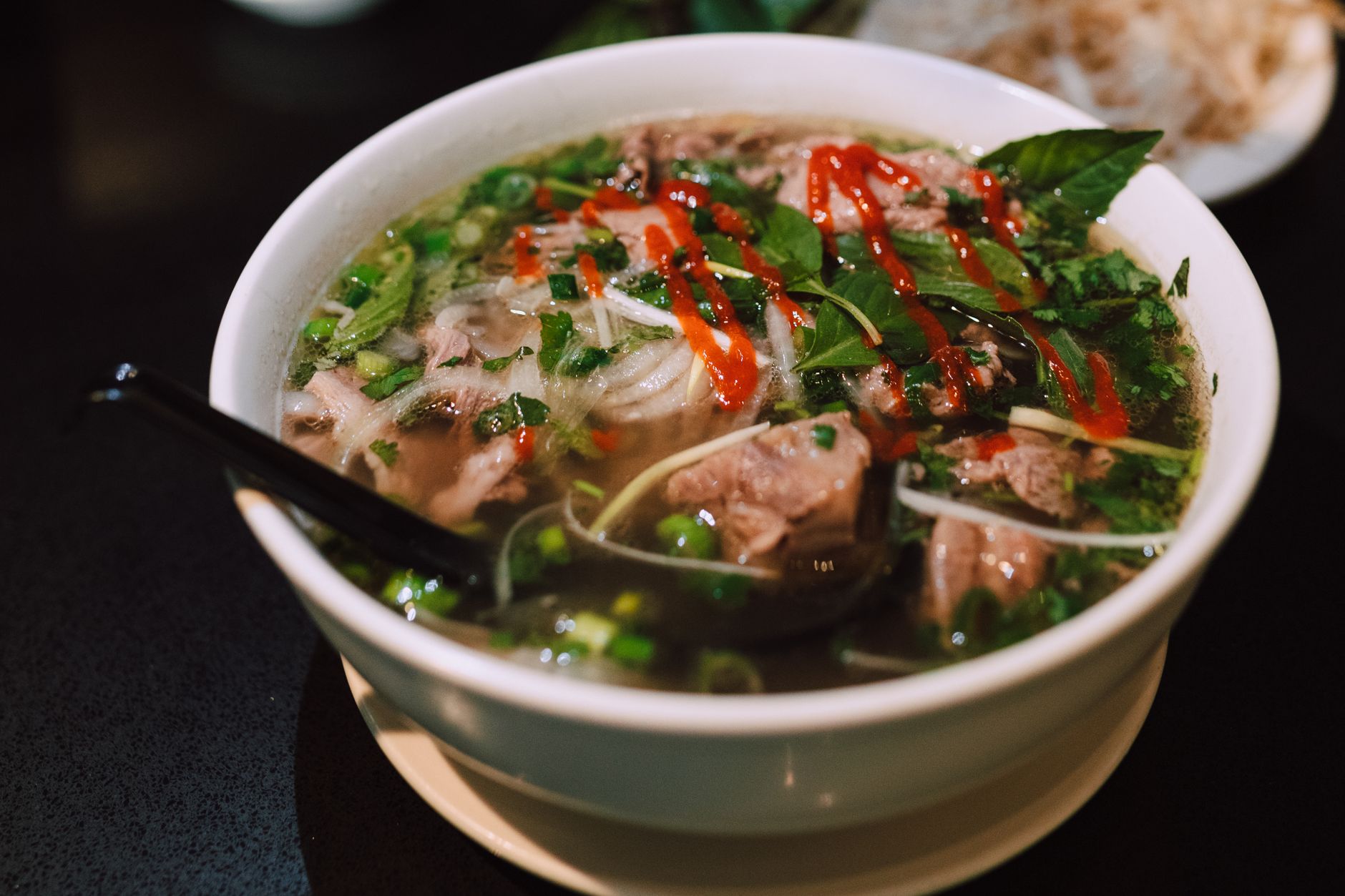
Pho is a beloved Vietnamese noodle soup, known for its fragrant broth, tender meat, and fresh herbs. With its popularity, many are curious about the nutritional benefits and whether pho can fit into a healthy diet.
In this article, we’ll explore the health benefits and nutritional value of pho, along with ingredient considerations, cooking techniques, and tips for making a wholesome bowl of this delicious dish.
Is Pho Good For You?
Pho can be a nutritious meal option due to its combination of fresh ingredients and a flavorful broth. Its healthiness largely depends on the specific ingredients used, portion sizes, and any dietary preferences or restrictions one may have.
The Components of Pho
A traditional bowl of pho consists of the following main components:
- Broth: A savory base made by simmering meat (usually beef or chicken) with various spices.
- Noodles: Flat rice noodles, known as bánh phở, which provide carbohydrates.
- Protein: Options typically include beef cuts, chicken, or tofu for a vegetarian version.
- Herbs and Vegetables: Fresh herbs like basil, cilantro, and bean sprouts enhance flavor and nutrition.
- Condiments: Lime juice, chili peppers, and hoisin sauce add complexity to the flavor profile.
Nutritional Benefits of Pho
Exploring the nutritional aspects of pho can provide insights into its healthfulness.
1. Protein Content
Depending on the meat choice, pho can be a good source of protein. For instance:
- Beef pho (phở bò) typically contains higher protein content compared to chicken pho (phở gà).
- Tofu pho, a vegetarian alternative, provides plant-based protein.
Protein is essential for muscle repair, immune function, and overall health. Including sufficient protein in your diet can aid in weight management and improve satiety.
2. Vitamins and Minerals
The fresh herbs and vegetables typically added to pho contribute valuable vitamins and minerals:
- Basil: Rich in vitamins A, K, and C.
- Cilantro: Contains antioxidants and beneficial compounds.
- Bean Sprouts: High in vitamins C and K, as well as folate.
These ingredients can enhance your immune system and overall health.
3. Hydration
The broth in pho is primarily water, which helps with hydration. Staying properly hydrated is vital for bodily functions, including circulation, temperature regulation, and joint health.
4. Low Calories
When prepared with lean protein and plenty of vegetables, pho can be a low-calorie meal. This can make it a suitable option for those looking to manage their weight.
Potential Considerations
While pho can be nutritious, there are some potential downsides to consider:
1. Sodium Content
Store-bought or restaurant pho may contain higher levels of sodium, which can contribute to high blood pressure and other health issues. To manage sodium intake:
- Consider making pho at home, allowing for control over ingredients.
- Use low-sodium broth or limit additional sauces.
2. Nutritional Balance
Ensure that your pho includes a balanced mix of proteins, carbohydrates, and fresh vegetables to maximize nutritional benefits. Skimping on certain ingredients can diminish its healthfulness.
Making Healthy Pho at Home
Creating pho at home allows you to control portion sizes and ingredients. Here’s how to make a healthier version:
Essential Equipment
- Large pot for the broth.
- Strainer for removing solids from the broth.
- Cookware for preparing protein.
- Bowl for serving.
Ingredients
- 8 cups low-sodium beef or chicken broth
- 1 pound beef (brisket or sirloin) or chicken (breast or thighs)
- 1 package bánh phở (rice noodles)
- 1 onion, halved
- 3-4 slices fresh ginger
- 2-3 star anise pods
- 2-3 cloves
- 1 stick of cinnamon
- Fresh herbs (basil, cilantro, mint)
- Bean sprouts
- Lime wedges
- Chili peppers, sliced (optional)
- Hoisin sauce (optional)
- Sriracha (optional)
Step-by-Step Method
- In a large pot, combine broth, onion, ginger, star anise, cloves, and cinnamon. Bring to a boil over medium-high heat.
- Reduce heat and let simmer for at least 30 minutes to develop flavors; longer for a richer broth.
- Meanwhile, cook the noodles according to package instructions. Drain and set aside.
- Remove solids from the broth using a strainer. Adjust seasoning to taste with salt or additional seasoning if necessary.
- Serve the broth hot over the cooked noodles in bowls.
- Top with sliced beef or chicken, and garnish with fresh herbs, bean sprouts, lime wedges, and chili peppers.
- Optional: Drizzle hoisin and sriracha sauce to taste.
Variations and Substitutions
Feel free to customize your pho with different ingredients:
- For a vegetarian version, replace meat with tofu or seitan.
- Use vegetable broth as a base to enhance the vegetarian option.
- Mix in alternate vegetables like bok choy or mushrooms.
Every substitution may alter flavor and texture, so feel free to experiment to find your favorite combination.
Common Mistakes to Avoid
When preparing pho at home, keep in mind these common pitfalls:
- Skipping the browning of onions and ginger, which enhances flavor.
- Not allowing enough simmering time for the broth to develop its full flavor.
- Overcooking the noodles, which can cause them to become mushy.
Serving Suggestions
Serve pho as a comforting meal any time of year. It pairs well with a variety of sides, such as:
- Spring rolls for a crunchy complement.
- Pickled vegetables to add acidity and brightness.
- Chili garlic sauce for extra heat.
Storage and Reheating
For storage and reheating:
- Store broth separately from noodles and toppings to maintain texture.
- Refrigerate leftovers within two hours. Use airtight containers for best results.
- Reheat broth on the stove until piping hot. Cook noodles fresh when serving.
The Verdict: Is Pho Good For You?
Pho can be a healthy and nourishing meal when made with fresh ingredients and mindful preparation. Its rich flavors, combined with nutritious elements, make it a versatile option in many diets. However, it’s essential to consider ingredients, portion sizes, and dietary preferences to maximize its health benefits.
As with any dish, moderation and balance remain crucial. Enjoy your next bowl of pho, knowing that it can be a health-conscious choice with the proper approach.
For more insights on pho, its flavors, and nutritional details, you may want to explore what pho tastes like and find out how many calories are in pho.