
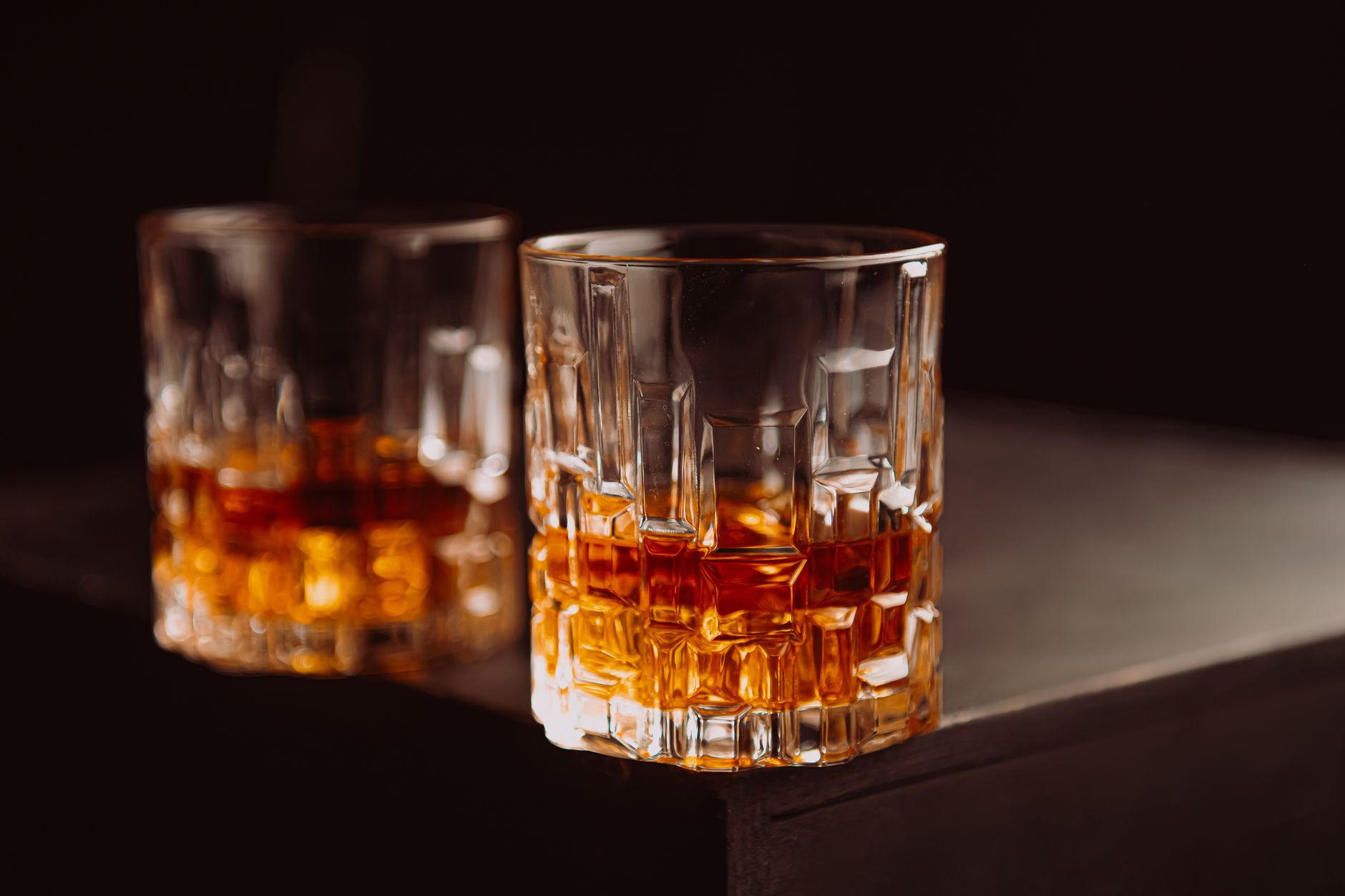
A dram is a term commonly used in the culinary world as a measurement, particularly in relation to liquid ingredients. Often associated with spirits like whiskey, it is also seen in the context of cooking, where precise measurements can significantly affect the flavor and outcome of a dish. Understanding what constitutes a dram can enhance your cooking and baking, ensuring your dishes maintain the desired flavor profile.
In this article, we will discuss the specifics of what a dram is, its usage in both cooking and drinking contexts, and practical applications to ensure you are well-versed in measuring and using this quaint, yet vital, unit of measurement.
What Is A Dram?
A dram is a unit of measurement commonly used to measure liquids, particularly in the context of alcohol. Traditionally, a dram is equivalent to 1/8 of a fluid ounce, which is about 3.7 milliliters. The term itself can vary slightly in meaning depending on the context, especially between different cultures and types of drinks. In essence, the dram is frequently referenced in recipes that involve spirits or complex flavoring agents, whether for cooking or cocktail recipes.
The Historical Context of the Dram
The origin of the term “dram” dates back to the Apothcaries’ system, a system of measurement used by pharmacists and alchemists. Originally derived from ancient Greek and Latin terms, it’s worth noting that a dram can also refer to 60 grains in the troy measurement system, commonly used in weighing precious metals and gemstones.
In the culinary context, the dram gained popularity as a small, manageable unit of measurement that is particularly suited to measuring potent liquid ingredients like spirits, extracts, and flavoring agents. This has made it particularly handy in kitchens and bars around the world.
Usage in Cooking and Baking
In cooking, a dram is especially valuable when working with potent liquids or flavorings, where precision is essential to achieving the desired taste. For instance, a recipe may call for a dram of a strong extract, such as vanilla or almond, which can significantly affect both flavor intensity and overall balance in a dish.
Usage in Mixology
In the realm of cocktails and alcohol, a dram can help define a drink’s character. Bartenders often use drams to measure spirits in cocktail recipes, allowing for consistent flavor profiles across different mixes. Utilizing a dram in a drink recipe might be the difference between a balanced beverage and one that overwhelms the palate.
How to Measure a Dram
Measuring a dram may seem simple, but to ensure accuracy, it’s best to use precise tools. One crucial aspect of using a dram is ensuring your measurements are correct, especially since it is often used in small quantities.
Measuring Tools
- Measuring Spoons: Since a dram is equal to 1/8 oz, utilizing a measuring spoon can work well, particularly if your spoon set includes 1/4 teaspoon measurements, as that is equivalent to about 1.2 ml.
- Liquid Measuring Cups: For larger quantities, you can use a liquid measuring cup that allows you to see the volume in ounces or milliliters. A well-designed liquid measuring cup will offer measurements down to the milliliter, ensuring precision.
- Precision Scale: When working with highly concentrated extracts or spirits, using a precision scale can provide the most accurate measurement, especially if the recipe requires multiple measurements.
Common Mistakes When Measuring Drams
Many novice cooks and bartenders make the mistake of assuming that estimating a dram’s amount will be satisfactory. However, small variations in liquid measurements can drastically alter the flavor and consistency of a dish or cocktail. Here are some common mistakes to avoid:
- Eyeballing Measurements: It’s essential to use the correct measuring tools and not rely on guesswork. This can lead to either overpowering flavors or flat-tasting results.
- Confusing Fluid Ounces with Regular Ounces: Remember that fluid ounces measure volume, while regular ounces measure weight. A dram is a measurement of liquid, so always keep this in mind.
- Forgetting to Check Conversion: When using recipes from different countries, be aware that measurements can vary, especially with the dram. Always verify against standard conversions.
Practical Applications of a Dram in Recipes
Understanding how to use a dram effectively in various recipes can enhance both cooking and mixology. Below are several scenarios where drams can come into play, along with examples on how to use them effectively.
For Cooking
In cooking, the dram is often used to enhance flavor profiles in dishes. Here are a few examples:
- Flavoring Agents: Recipes for sauces or marinades may call for a dram of spirits or extracts, such as rum, whiskey, or vanilla extract. Use the dram measurement to ensure the flavor is not overpowering but complements the dish well.
- Soups and Stews: A dram of sherry or wine can add depth to soups or stews, enhancing the umami flavors present in the dish.
- Baking: In baking, a dram of lemon or almond extract can intensify sweetness and produce a more aromatic final product. Remember that too much can cause a bitter taste, so stick to the recommended dram measurement.
For Cocktails
In the world of mixology, a dram can play a pivotal role in creating complex flavors. Some examples include:
- Spirit-Based Cocktails: Many cocktails will call for a dram of spirits or liqueurs that contribute to a layered flavor experience. For example, a classic Old Fashioned might require a dram of whiskey along with a couple of dashes of bitters.
- Sours and Citrus Drinks: A dram of citrus juice (lemon or lime) can create refreshing drinks such as the Whiskey Sour. Pay attention to balance, as too much can lead to an overly tart cocktail.
- Flavored Cocktails: Many cocktails require drams of flavored bitters or liqueurs that are crucial for achieving the intended flavor balance, such as a dram of orange liqueur in a cosmopolitan.
Ingredient Substitutions and Variations
When working with the dram measurement, substitutions may be necessary due to availability, allergies or flavor preferences. Here are options for liquid ingredients commonly measured in drams:
Common Ingredient Substitutions
- Liquor or Spirits: If a recipe calls for a dram of whiskey and you do not have any, consider using rum or brandy as alternatives. Each will impart a different flavor but can work in many recipes.
- Extracts: If you need a dram of vanilla extract, almond extract can serve as a substitute, though it presents a stronger flavor profile. Use it sparingly to avoid overpowering your dish.
- Cider or Vinegars: In place of a dram of cider, you could use a similar amount of white vinegar, though this may alter the sweetness level in a dish that calls for cider.
How Substitutions Affect Your Dish
Using a substitute for a dram of a specific ingredient can shift the flavor balance of your dish significantly. Whether it’s a more potent flavor, altered sweetness levels, or even unexpected bitterness, caution is advised. Always start with a smaller amount than an entire dram when experimenting with substitutes, and adjust to taste.
Storing and Using Ingredients Measured in Drams
The storage of liquid ingredients measured in drams, such as extracts and spirits, is crucial to maintain their flavor and potency. Here’s how to properly store these items:
Storage Tips
- Alcoholic Beverages: Store spirits in a cool, dark place to prevent oxidation and flavor loss. Ensure bottles are tightly sealed and kept upright.
- Extracts: Vanilla and other flavoring extracts can degrade if exposed to light or heat. Store them in dark glass bottles and keep them in a cool pantry or cupboard.
- Cocktail Ingredients: Fresh juices should be consumed shortly after extraction. However, if you need to store them, keep them in the refrigerator in an airtight container for no more than 24 hours.
By keeping ingredients stored properly, you can ensure that that dram of flavor remains potent and pleasant for your culinary creations.
Creative Uses for Drams Beyond The Kitchen
The concept of a dram isn’t limited to just measuring drinks or flavoring agents in the culinary world; it can extend into creative applications as well.
Experimenting with Flavors
Cooks and mixologists alike can use drams to explore new flavor combinations. This could involve:
- Crafting Unique Syrups: Create flavored simple syrups by infusing water and sugar with a dram of various extracts or spirits.
- Marinades and Dressings: Enhance marinades and salad dressings with a dram of flavored oil or vinegar to add complexity.
- Infused Spirits: Experiment by infusing plain spirits with a dram of dried herbs or fruit peels for unique cocktails.
Travel and Cultural Contexts
Traveling to regions known for their unique spirits and cuisine can deepen your appreciation for the use of drams. Different cultures may have specific spirits, extracts, or flavoring techniques involving drams that reflect local ingredients and traditions.
Conclusion
Understanding a dram and its role in cooking and drinking can significantly enhance your culinary skills. By measuring accurately and creatively using this quaint unit of measurement, you can contribute to more delightful dishes and cocktails. Whether you’re working with extracts in baking or crafting cocktails, the dram offers a level of precision that is invaluable in the culinary world.
Explore more about ingredients and tools by checking out what is a pilsner or learn how to use a jelly roll pan to expand your culinary experiences.