
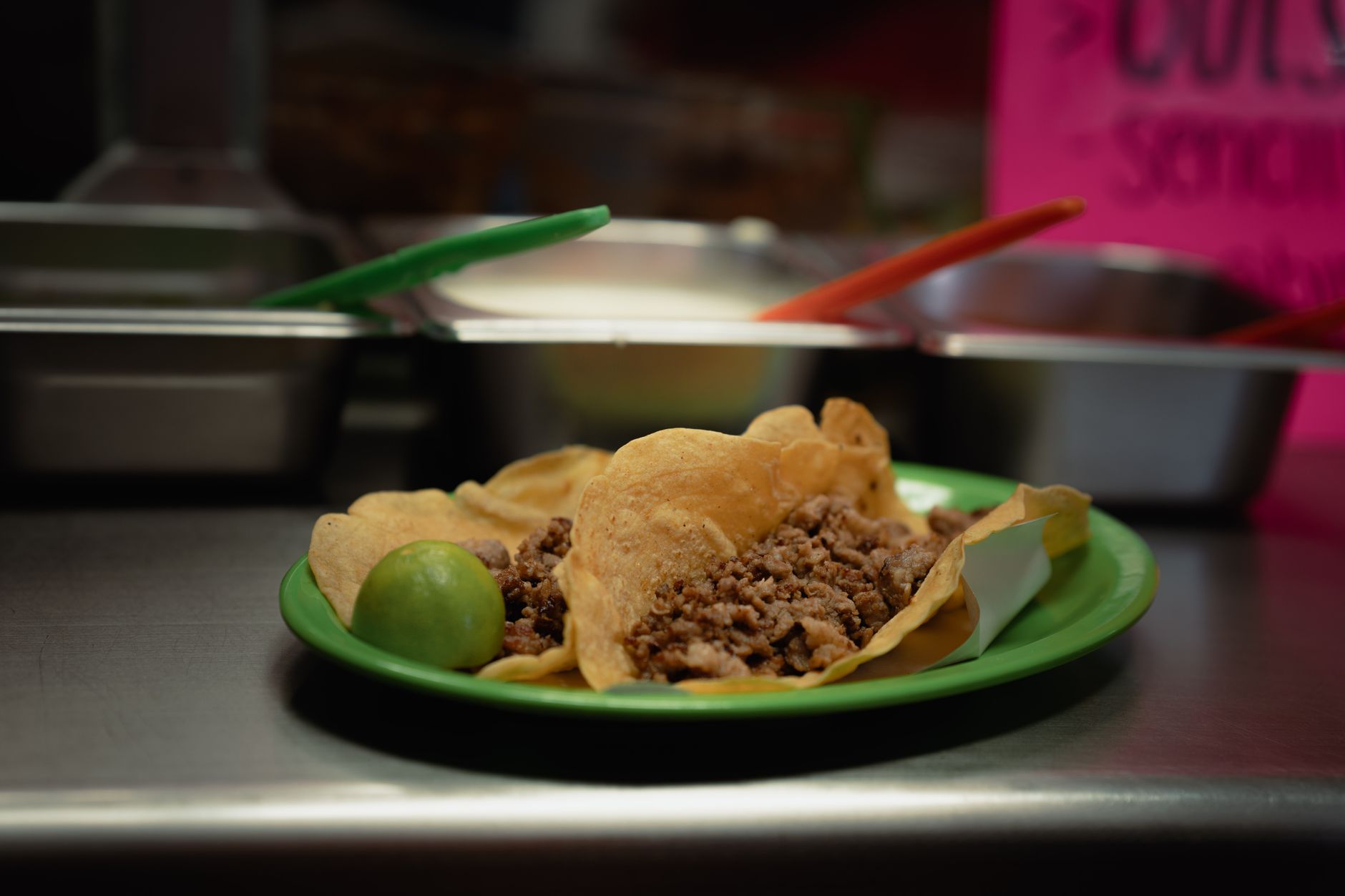
Tacos are a beloved food, recognized worldwide for their versatility and flavor. But have you ever wondered where they originated? Understanding the history of tacos not only gives context to this popular dish but also enhances our appreciation for its cultural significance. This article will delve into the origins of tacos, tracing their evolution and exploring how they became a staple in cuisines around the globe.
From their early beginnings to their present-day variations, tacos have a rich history worth exploring. They symbolize more than just a meal; they embody a cultural identity that has transcended borders and generations.
Where Did Tacos Originate?
Tacos originated in Mexico, with their roots tracing back to indigenous peoples who made the first tortillas. These tortillas served as a vehicle for various fillings, establishing what we now recognize as the taco. The fusion of ingredients and techniques over centuries led to the diverse taco styles we enjoy today.
The Early History of Tacos
The history of tacos can be traced back to ancient Mesoamerica, particularly the Aztecs. Archaeological evidence indicates that tortillas made from maize were a food staple as early as 5000 B.C. These flat, round cakes were often filled with various ingredients, leading to the early form of the taco.
Though the term “taco” is believed to have originated in the 19th century, the concept of using tortillas as a wrapper for different fillings is a tradition that has endured for thousands of years. Indigenous peoples would often fill their tortillas with local ingredients like beans, squash, and small fish.
The Evolution of Tacos in Mexican Culture
As Mexico developed culturally, so did the taco. With the arrival of European colonizers in the 16th century, new ingredients were introduced, such as beef, pork, and cheese. This integration of various food elements not only transformed the taco but also laid the foundation for modern Mexican cuisine.
By the 20th century, tacos began to diversify further. Regions across Mexico adapted the traditional taco to reflect local flavors and ingredients. For instance, the taco al pastor, made with marinated pork and topped with pineapple, emerged in the central region in the 1920s, influenced by Lebanese immigrants and their shawarma. Similarly, fish tacos began appearing in coastal areas, showcasing a different taste profile influenced by local seafood availability.
The Taco’s Journey to the United States
As Mexicans migrated northward, they took their culinary traditions with them, introducing tacos to the United States. The first recorded mention of tacos in the U.S. dates back to the early 1900s, particularly in California. Here, the taco’s popularity grew, particularly in areas with significant Mexican-American communities.
In the 1940s and 1950s, tacos began to gain mainstream popularity in America. The rise of taco stands and Mexican restaurants contributed to this trend, making tacos accessible to a broader audience. It’s during this period that hard-shell tacos made their debut, a significant variation that catered to American tastes.
Signature Taco Varieties and Their Cultural Significance
Various taco styles have developed around the world, each carrying distinct cultural significance. Here’s a look at some popular types of tacos:
- Tacos al Pastor: Originating from central Mexico, this taco features marinated pork with spices, cooked on a vertical spit much like shawarma.
- Fish Tacos: Common in coastal regions, especially Baja California, fish tacos are often made with battered and fried fish, topped with cabbage and salsa.
- Carne Asada Tacos: These tacos are filled with grilled beef, chopped onions, and cilantro, showcasing flavors from Northern Mexico.
- Tacos de Pescado: This variation highlights fresh fish, seasoned and often served with spicy sauces, ideal for seafood lovers.
- Vegetarian Tacos: With the rise of vegetarianism, tacos have evolved to include various vegetable fillings, beans, and cheeses to cater to plant-based diets.
The Taco in Contemporary Cuisine
Today, tacos are not just a food from Mexico; they have evolved into a global phenomenon, with creative variations appearing in kitchens worldwide. Chefs and home cooks alike are experimenting with new fillings and techniques, ranging from gourmet to fusion innovations.
In the United States, taco trucks and restaurants have made tacos a staple in everyday dining. From classic street tacos to elaborate gourmet versions featuring unique ingredients and presentations, the taco continues to adapt and thrive.
Understanding Taco Ingredients
To fully appreciate tacos, it helps to understand their fundamental ingredients. Each component contributes to the final flavor and texture:
- Tortillas: The foundation of any taco, tortillas can be made from corn or flour. Corn tortillas are more traditional, while flour tortillas are popular in northern Mexico and the U.S.
- Fillings: Fillings can range from meats like beef, chicken, and pork to vegetables, beans, and cheese. The choice of filling often reflects regional preferences and availability.
- Toppings: Common toppings include chopped onions, fresh cilantro, salsas, avocado, and lime. These add layers of flavor and freshness.
Tips for Making Tacos at Home
Creating tacos at home can be simple and rewarding. Here are some practical tips:
- Choose Quality Ingredients: Using fresh ingredients can greatly enhance the taste of your tacos. Opt for locally sourced vegetables and quality meats.
- Warm Your Tortillas: Always warm your tortillas before assembling your tacos. This improves their flavor and makes them easier to fold without breaking.
- Experiment with Fillings and Toppings: Don’t be afraid to try new combinations. Mix and match different proteins, vegetables, and salsas for a unique experience.
- Presentation Matters: Enjoy assembling and presenting your tacos. Garnishing with herbs, lime wedges, and colorful toppings can make your meal visually appealing.
Frequently Asked Questions about Tacos
Are there gluten-free taco options?
Yes, corn tortillas are naturally gluten-free and serve as a perfect alternative for those with gluten sensitivities or celiac disease.
Can I prepare tacos in advance?
You can prepare taco components ahead of time, such as marinated meats, chopped toppings, and salsas. However, it’s best to assemble the tacos just before serving to keep the tortillas fresh.
Common Mistakes When Making Tacos
Even seasoned cooks can make errors when making tacos. Here are some common pitfalls and how to avoid them:
- Overloading Tortillas: While it may be tempting to fill tacos generously, overstuffing can lead to breakage. Keep fillings to a moderate amount.
- Skipping the Spice: Tacos can lack flavor if not properly seasoned. Don’t shy away from spices and sauces to enhance the overall taste.
- Using Cold Tortillas: Cold or hard tortillas might break easily. Always warm them in a skillet or microwave before filling.
Storing and Reheating Tacos
If you have leftovers, storing and reheating them properly is essential to maintain their taste and texture:
- Storing: Keep taco fillings and tortillas separately in airtight containers in the fridge. This prevents sogginess and maintains freshness.
- Reheating: Reheat the fillings in a skillet or microwave, and warm the tortillas individually on a pan to maintain softness.
The Future of Tacos: Trends and Innovations
The love for tacos continues to inspire chefs and home cooks. Innovative trends are emerging, from plant-based tacos catering to vegetarian and vegan diets to gourmet taco styles featuring unexpected ingredients like truffle oil or kimchi.
Food trucks and pop-up restaurants are embracing creativity, offering limited-time taco specials that showcase seasonal ingredients. With the variety of flavors and textures available, tacos will likely continue to captivate food enthusiasts around the world.
Conclusion
The taco’s journey from ancient Mesoamerica to modern dining tables worldwide exemplifies its adaptability and cultural significance. This iconic dish not only represents Mexican heritage but has also evolved into a universal favorite, influencing cuisines everywhere.
Consider trying out various taco recipes, such as a delicious taco bowl recipe or chicken street tacos, to experience some of these flavors yourself. Embrace the wonderful world of tacos and explore the many ways to enjoy this delectable dish.
Explore related recipes, cooking tips, or food guides. Check out our taco bowl recipe or chicken street tacos recipe for inspiration as you dive deeper into the world of tacos.