
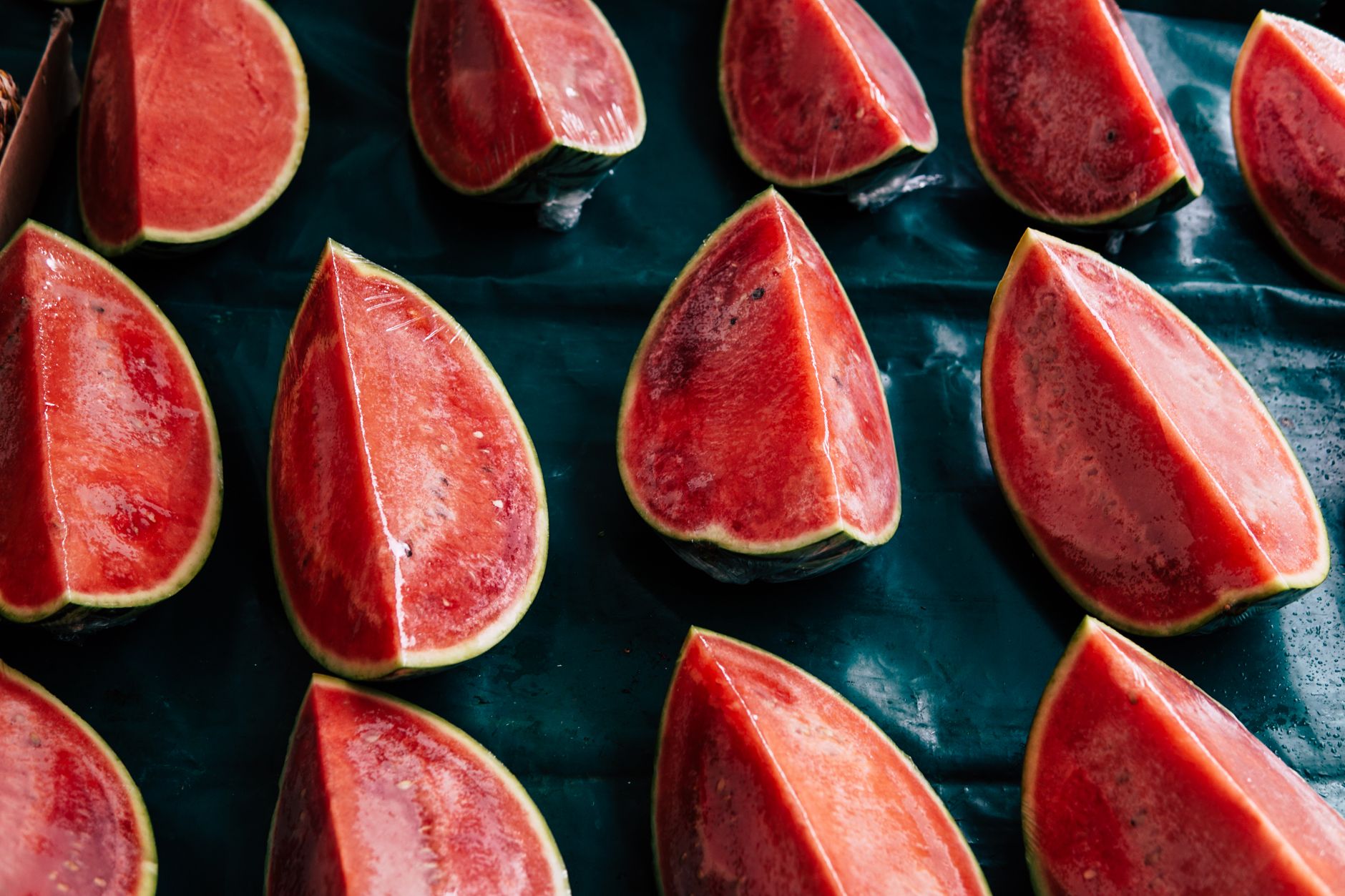
Watermelon is a beloved summer fruit known for its refreshing taste and high water content. However, many people wonder about its acidity and how it fits into various dietary preferences, especially for those with acid reflux or sensitive stomachs. This article will explore whether watermelon is acidic, its pH levels, and its culinary uses.
Understanding watermelon’s acidity can help you make informed choices about incorporating it into your diet, selecting it for recipes, or using it as a refreshing drink or snack. Let’s delve into the details!
Is Watermelon Acidic?
Watermelon has a pH level that typically ranges between 5.18 to 5.60, which classifies it as a mildly acidic fruit. This acidity is relatively weak compared to more acidic fruits like citrus or berries. The low acid level makes watermelon a suitable option for many people, even those who are mindful of their acid intake.
The pH Scale and Its Importance in Food
The pH scale measures how acidic or alkaline a substance is, with a range from 0 (very acidic) to 14 (very alkaline). A pH of 7 is considered neutral. Understanding this scale is vital in the culinary world, particularly for those with dietary restrictions or preferences regarding acid consumption.
Watermelon’s Nutritional Profile
In addition to its acidity, watermelon is packed with nutrients. It is low in calories, making it an excellent choice for a healthy snack. Here are some key nutritional elements:
- Water content: Approximately 92%, aiding hydration
- Calories: About 30 calories per 100 grams
- Vitamins: Rich in Vitamin C and Vitamin A
- Minerals: Contains Potassium, which can help regulate blood pressure
Health Considerations: Who Should Watch Their Acid Intake?
For some individuals, particularly those with acid reflux or other digestive concerns, monitoring acidity levels in food is essential. Although watermelon is mildly acidic, its high water content can help dilute stomach acid.
Symptoms of Acid Sensitivity
Individuals who are sensitive to acidic foods may experience:
- Heartburn
- Acid reflux
- Stomach upset or discomfort
For those who experience these symptoms, it is advisable to keep track of how watermelon affects them personally, as reactions can vary widely from person to person.
Culinary Uses of Watermelon
Given its mild acidity and refreshing taste, watermelon can be utilized in various culinary applications. Here are some popular ways to incorporate watermelon into your meals:
1. Fresh Snacks
Watermelon can be enjoyed simply sliced or cubed, making it an excellent snack for hot days. Pair it with feta cheese for a sweet and savory combination.
2. Salads
Add watermelon to summer salads for an unexpected twist. Its sweetness balances well with leafy greens, nuts, and other fruits.
3. Smoothies
Blend watermelon with other fruits, yogurt, or juices to create refreshing smoothies. The hydration from watermelon helps create a light and refreshing drink.
4. Salsas
Watermelon can serve as a base for salsas, pairing well with tomatoes, cilantro, lime juice, and jalapeños for a spicy-sweet experience.
5. Desserts
Consider using watermelon as a base for sorbets or frozen desserts. It can add a hint of sweetness without overwhelming other flavors.
6. Infused Water
Add watermelon chunks to water or iced tea for a flavorful and refreshing infusion. The acid content is balanced by the drink’s overall hydration.
Choosing and Storing Watermelon
When selecting a watermelon, aim for one that is symmetrical and feels heavy for its size. A creamy yellow spot on its underside indicates ripeness. To store watermelon:
- Uncut watermelon can be stored at room temperature away from direct sunlight for a few days.
- Cut watermelon should be wrapped in plastic and refrigerated, ideally consumed within three to four days for the best flavor and texture.
Practical Substitutions for Watermelon
If you find yourself without watermelon or if you’d like to experiment with alternatives, here are some suggestions:
- Cantaloupe: Slightly sweeter but offers a comparable texture and hydration.
- Honeydew: Another melon variant that’s sweet and hydrating.
- Strawberries: While they have a higher acidity, they offer a fruity flavor that works well in salads and desserts.
Keep in mind that since these alternatives vary in sugar and acidity levels, they may alter the overall taste of your dish.
Common Mistakes When Using Watermelon
Here are some typical blunders to avoid when preparing or serving watermelon:
- Using Overripe Watermelon: Be cautious of watermelon that appears overly soft or has an unusual smell, as it may be past its prime.
- Not Chilling the Watermelon: For the best refreshing experience, chilled watermelon is often more enjoyable.
- Forgetting to Pair with Acids: Adding a splash of lime or lemon juice can enhance the flavor of watermelon dishes.
Understanding Watermelon Varieties
Knowledge about different watermelon types can also enhance your dining experience. Here are a few common varieties:
1. Seedless Watermelon
A popular choice for ease of eating. They do have very small edible seeds which are typically not bothersome.
2. Picnic Watermelon
This classic type is large, sweet, and typically red-fleshed. It’s ideal for sharing during picnics or gatherings.
3. Personal Watermelon
Smaller in size, these are perfect for individual servings, offering the same sweet flavor in a convenient size.
4. Yellow Watermelon
Less common than the red variety, yellow watermelon has a mellow sweetness that can be an exciting change of pace.
How Watermelon Affects Acidity in Cooking
The acid in foods can influence flavor profiles in recipes. Watermelon’s mild acidity can enhance dishes without overpowering them. When adding watermelon to savory dishes, consider the overall flavor balance. Here are a few tips:
- Balance with salty ingredients like cheese or cured meats.
- Use in signature summer dishes like gazpacho or salsa.
- Consider cooking watermelon for a different flavor experience; roasted or grilled watermelon can bring out unique caramelization and sweetness.
Conclusion
Watermelon is mildly acidic, making it a versatile addition to various dishes without overwhelming the palate. Its hydration benefits, combined with its range of culinary uses, make it a beloved summer staple. Whether you slice it for a snack, toss it into a salad, or blend it into a refreshing drink, watermelon adds a delightful burst of flavor.
Now that you’re equipped with the knowledge about watermelon’s acidity and culinary potential, consider exploring more recipes, such as how to freeze watermelon or the benefits of chia seeds.