
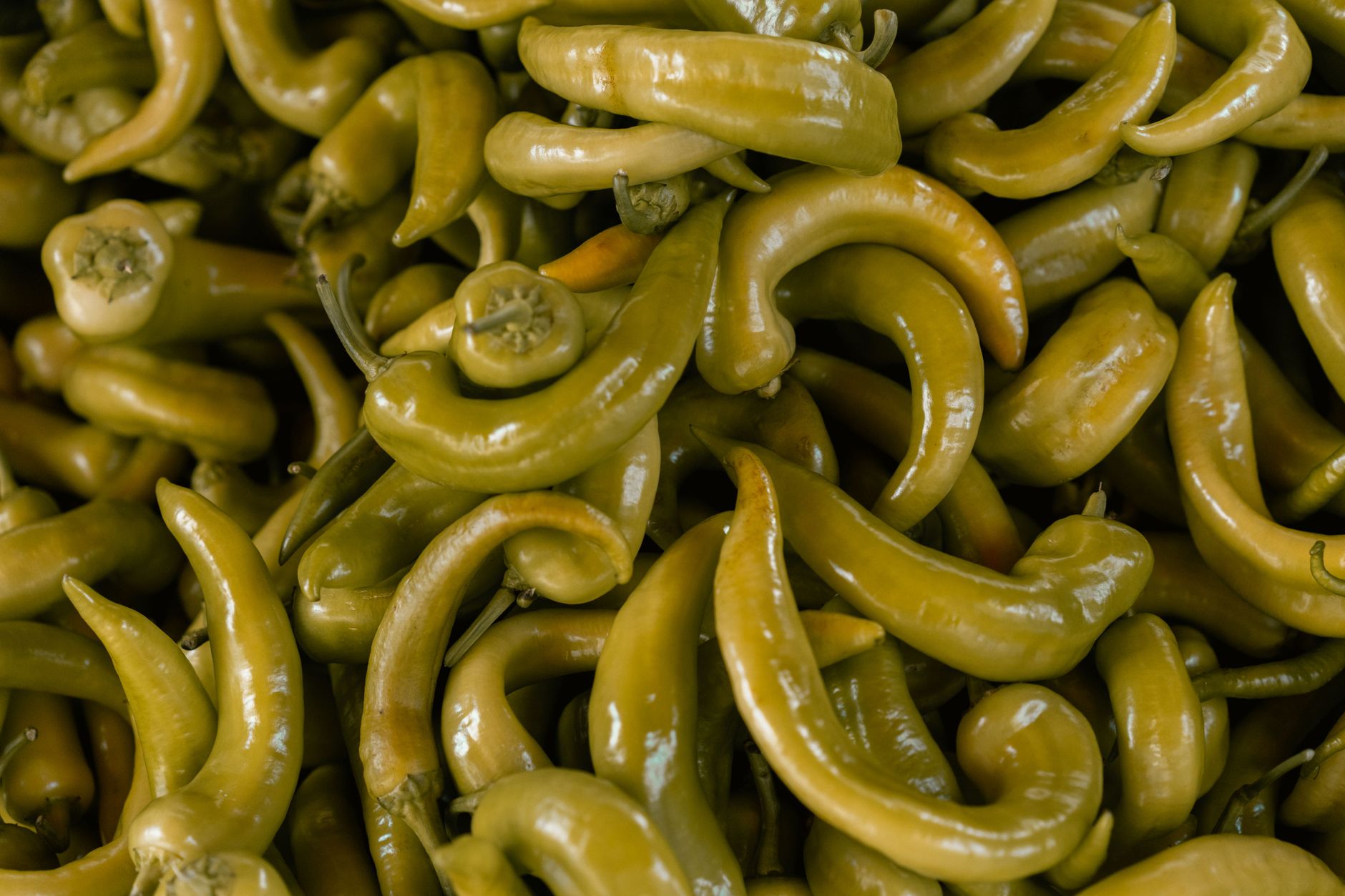
Pepperoncini are a popular variety of Italian chili pepper known for their mild heat and tangy flavor. Often found in Mediterranean cuisine, they add a lively, zesty kick to a range of dishes, from salads to sandwiches. Whether you’re looking to enhance a meal or simply curious about this unique ingredient, understanding pepperoncini can open up new culinary possibilities.
This article will delve deep into pepperoncini, detailing their flavors, uses, benefits, and preparation methods. We’ll also explore how to substitute them in recipes and provide tips on incorporating them into your meals for added zest.
What Are Pepperoncini?
Pepperoncini, scientifically known as Capsicum annuum, are small, slender chili peppers that are typically yellow-green or red when ripe. They are particularly popular in Italian and Greek cuisine, celebrated for their moderate spicy level, measuring between 100 and 500 Scoville heat units. This makes them much milder than jalapeños, which can fall into the 2,500 to 8,000 range.
The flavor profile of pepperoncini is both sweet and tangy, making them an excellent addition to a variety of dishes. They can be found fresh, pickled, or dried, with each form offering distinct uses in cooking. The best time to enjoy fresh pepperoncini is during their peak season in late summer.
Uses of Pepperoncini
Pepperoncini can be used in numerous ways, enhancing recipes with their unique flavor. Here are some common applications:
- Salads: Dice or slice pepperoncini into salads for a fresh crunch and a hint of heat.
- Sandwiches and Wraps: Layer them into sandwiches for tangy bites that complement meats and spreads.
- Pizzas and Pastas: Top pizzas or add to pasta dishes for an extra flavor dimension.
- Appetizers: Serve with cheese and olives for a tapas-style appetizer platter.
- Pickling: Prepare homemade pickled pepperoncini to enjoy as a snack or condiment.
Flavor Profile and Culinary Pairings
The flavor of pepperoncini is often described as tangy with a sweet bite, making them versatile in the kitchen. They pair well with:
- Meats such as chicken, beef, and pork.
- Cheeses, especially softer varieties like mozzarella and goat cheese.
- Salty items like olives, anchovies, and capers.
- Herbs, including basil, oregano, and parsley.
Selecting and Storing Pepperoncini
How to Select Fresh Pepperoncini
When purchasing fresh pepperoncini, look for firm, smooth peppers without blemishes or wrinkles. The color should be vibrant, and they should feel heavy for their size. If you’re buying pickled pepperoncini, check the jar for clear liquid and whole peppers free from floating debris.
How to Store Pepperoncini
Fresh pepperoncini should be stored in the refrigerator, preferably in a plastic bag to maintain humidity. For pickled varieties, keep them in a cool, dark place. Once opened, store them in the refrigerator and use them within a few weeks for the best flavor.
Preparation Techniques for Pepperoncini
Preparatory methods for pepperoncini vary depending on their intended use. Here are some tips:
- Fresh Usage: Simply rinse them under cold water. Slice, dice, or leave whole for garnish or inclusion in recipes.
- Pickling: To pickle pepperoncini at home, submerge cleaned peppers in a solution of vinegar, water, sugar, and salt. Let them cure for at least a few days before consuming.
- Dried: Dried pepperoncini can be rehydrated by soaking in warm water or used as is to add spice to dishes.
Common Substitutions for Pepperoncini
If you find yourself without pepperoncini, several alternatives can provide similar heat and flavor:
- Banana Peppers: These are milder and can be used as a direct substitute in salads and sandwiches.
- Jalapeños: If you prefer a spicier option, jalapeños can be used, but add with caution to avoid overwhelming your dish.
- Cherry Peppers: They have a similar sweet-tangy profile and can be used in cooking and pickling.
Common Mistakes When Using Pepperoncini
When incorporating pepperoncini into your dishes, avoid the following common mistakes:
- Not Removing Seeds: If using fresh pepperoncini, consider removing seeds for less heat.
- Overdoing the Quantity: Given their tangy flavor, adding too many can overpower the other ingredients.
- Ignoring the Form: Remember that fresh, dried, and pickled pepperoncini have different flavor intensities and should be used accordingly.
Health Benefits of Pepperoncini
Pepperoncini offer several potential health benefits:
- Low in Calories: Perfect for those watching their calorie intake.
- High in Vitamins: Contains vitamins A and C, which can contribute to overall health.
- Aid in Digestion: The moderate heat of pepperoncini can help stimulate digestion.
Recipe Ideas Featuring Pepperoncini
To help you incorporate pepperoncini into your cooking, here are a few recipe ideas:
Pepperoncini and Olive Tapenade
This tapenade is a great appetizer that pairs well with crackers or bread.
- Ingredients:
- 1 cup pitted olives
- 1/2 cup pepperoncini, chopped
- 2 garlic cloves, minced
- 1 tablespoon capers
- 3 tablespoons olive oil
- 1 tablespoon lemon juice
- In a food processor, combine olives, pepperoncini, garlic, and capers.
- Pulse until coarsely chopped.
- Add olive oil and lemon juice, then pulse until well blended.
- Transfer to a bowl and refrigerate for at least an hour before serving.
Pepperoncini Chicken Sandwich
This flavorful sandwich is great for lunch or a light dinner.
- Ingredients:
- 2 boneless chicken breasts
- 1 cup pepperoncini, sliced
- 1/2 cup mozzarella cheese, shredded
- 4 sandwich rolls
- 2 tablespoons olive oil
- Salt and pepper to taste
- Preheat oven to 375°F (190°C).
- Season chicken breasts with salt and pepper and sauté in olive oil until cooked through.
- Slice the chicken and layer it in sandwich rolls with pepperoncini and mozzarella.
- Wrap in foil and bake for 10-15 minutes until cheese is melted.
Stuffed Pepperoncini
This bite-sized appetizer is perfect for parties.
- Ingredients:
- 10-12 pepperoncini, halved and seeded
- 8 oz cream cheese, softened
- 1/2 cup shredded cheddar cheese
- 1/4 cup cooked bacon, crumbled
- 1/4 teaspoon garlic powder
- Preheat your oven to 350°F (175°C).
- In a bowl, combine cream cheese, cheddar cheese, bacon, and garlic powder.
- Fill each half of the pepperoncini with the cheese mixture.
- Place on a baking sheet and bake for 10-12 minutes until bubbly.
Incorporating Pepperoncini into Your Meal Planning
Adding pepperoncini to your weekly meal plan can introduce exciting flavors and healthy elements into your dishes. They can be included in salads, sandwiches, or as a side to meats. Consider ways to use whole pepperoncini as a garnish or a unique ingredient in dressings and marinades.
Conclusion
Pepperoncini are a versatile and flavorful ingredient that can elevate your culinary creations. Their mild heat and tangy flavor make them suitable for a wide range of dishes. By understanding how to select, store, and use pepperoncini—along with some handy recipes—you can incorporate this delightful pepper into your cooking with ease.
For more culinary exploration, consider checking out our guides on other intriguing ingredients and culinary techniques to enhance your cooking experience.