
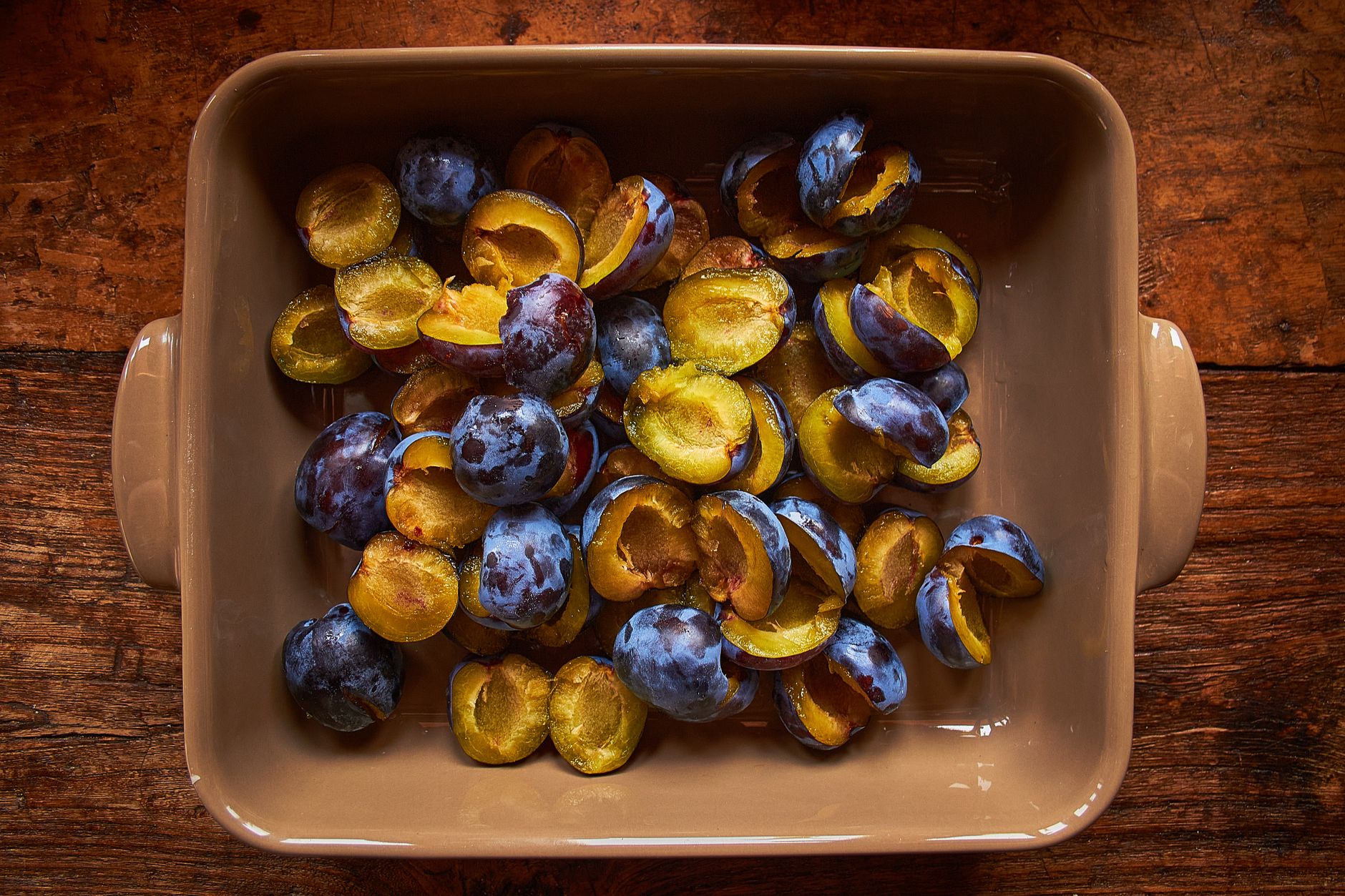
Prunes, often hailed for their health benefits and sweet, rich flavor, are a popular choice for those seeking natural ways to enhance their diet. These dried plums are renowned for promoting digestive health and providing essential nutrients. However, understanding how many prunes to eat daily for optimal health benefits can be confusing.
In this article, we will explore the nutritional value of prunes, their health benefits, recommended daily servings, guidelines for consumption, and tips for incorporating them into your diet. By the end, you will have a clear understanding of how many prunes you should eat each day and how to include them in your meals creatively.
How Many Prunes Should You Eat A Day?
The general recommendation for daily consumption of prunes varies, but most experts suggest eating about 4 to 6 prunes per day. This portion is often effective for promoting digestive health while providing a sustainable and enjoyable addition to your diet.
Nutritional Profile of Prunes
Understanding the nutritional benefits of prunes can inspire you to incorporate them into your daily routine. Here are the primary components found in prunes:
- Calories: Prunes are calorically dense with about 240 calories per 100 grams, making them a concentrated source of energy.
- Fiber: They provide a significant amount of dietary fiber, approximately 7 grams per 100 grams, promoting digestive health.
- Vitamins: Prunes are a rich source of vitamins, particularly vitamin K and vitamin A, playing crucial roles in bone health and vision.
- Minerals: They contain important minerals, including potassium, magnesium, and iron, which contribute to overall health.
- Antioxidants: Prunes are packed with antioxidants that help combat oxidative stress and reduce inflammation in the body.
Health Benefits of Prunes
Regularly consuming prunes can offer several health benefits. Here are some of the most notable:
1. Digestive Health
Prunes are best known for their natural laxative effect due to their high fiber and sorbitol content. These help to regulate bowel movements and prevent constipation. Including 4 to 6 prunes daily can support a healthy digestive system.
2. Rich in Antioxidants
The antioxidants in prunes help protect the body from free radicals, reducing the risk of chronic diseases such as cancer and heart disease. Their high phenolic content makes them an excellent addition to an antioxidant-rich diet.
3. Bone Health
Prunes may contribute to bone health by preventing the loss of bone density. Studies have shown that postmenopausal women who consume prunes regularly may maintain better bone structure and strength.
4. Heart Health
Prunes are beneficial for heart health, as they can help lower cholesterol levels due to their soluble fiber content. This promotes better cardiovascular health and reduces the risk of heart disease.
5. Blood Sugar Control
Despite their sweetness, prunes have a low glycemic index, which means they do not cause rapid spikes in blood sugar. This makes them a good choice for those managing diabetes or looking to maintain stable energy levels.
How to Consume Prunes
There are numerous creative ways to incorporate prunes into your daily diet, ensuring that you enjoy their taste while reaping their health benefits. Here are some ideas:
1. Eat Them as a Snack
Simply grab a few prunes for a quick, nutritious snack. Their natural sweetness makes them a satisfying alternative to sugary treats.
2. Add Them to Breakfast
Incorporate prunes into your breakfast routine by adding them to oatmeal, yogurt, or smoothies. Chopped prunes can elevate the flavor of your morning meal while delivering added fiber and nutrients.
3. Include Them in Baking
Prunes can be used in various baking recipes, such as muffins, breads, or energy bars. They can be pureed and used as a natural sweetener in recipes to reduce the amount of added sugar.
4. Use in Savory Dishes
Don’t shy away from using prunes in savory recipes. They can add depth and flavor to stews, salads, or roasted vegetables. Their sweetness balances well with rich, savory flavors.
5. Create Homemade Sauces
Blend prunes into a sauce or puree to drizzle over meats or vegetables. This adds a unique and flavorful glaze that elevates your dish.
Considerations When Consuming Prunes
While prunes provide numerous health benefits, moderation is key. Here are some considerations to keep in mind:
- Moderation: Stick to a daily intake of about 4 to 6 prunes to gain health benefits without overwhelming your digestive system.
- Hydration: Prunes can lead to dehydration if consumed in excessive amounts, so ensure you drink plenty of water to aid digestion.
- Caloric Intake: Being calorie-dense, prunes should be included as part of a balanced diet, particularly if you are watching your caloric intake.
Common Mistakes When Eating Prunes
To maximize the benefits of prunes, it is essential to avoid common pitfalls. Here are a few mistakes to watch out for:
1. Overeating
It can be tempting to indulge in prunes, but consuming too many may lead to digestive discomfort. Stick to the recommended serving size to avoid issues.
2. Not Pairing with Water
As mentioned, prunes can be dehydrating when eaten in large amounts. Always pair prunes with adequate hydration to enjoy their full benefits.
3. Ignoring Quality
Not all prunes are created equal. Choose high-quality, organic prunes without added sugars or preservatives to ensure you get the best nutritional value.
Prunes in a Balanced Diet
Incorporating prunes into your diet is simple, but it should always be within the context of overall nutrition. A balanced diet includes various fruits, vegetables, whole grains, proteins, and healthy fats.
If you’re aiming for a diet rich in fiber and nutrients, prunes can play an integral role alongside other fruits like apples, pears, and berries. Combining different fruits can help you meet your daily fiber requirements while providing a variety of vitamins and minerals.
Prune Storage Tips
To maintain the freshness and quality of prunes, proper storage is crucial. Here are some essential tips:
- Cool, Dry Place: Store prunes in a cool, dry location away from direct sunlight. A pantry or cupboard is ideal.
- Airtight Container: Keep them in an airtight container to prevent moisture from affecting their texture and taste.
- Refrigeration: If you purchase prunes in bulk or notice they have become slightly dry, you can refrigerate them to extend their shelf life.
Final Thoughts
Prunes are a delicious and healthy addition to your daily diet when consumed in moderation. For most individuals, 4 to 6 prunes per day provides numerous health benefits, including improved digestive function and increased nutrient intake.
Consider incorporating prunes into snacks, breakfasts, baking, or savory dishes to diversify your meals while reaping the benefits. With their rich flavor and health-enhancing properties, prunes are a sweet way to support your overall well-being.
If you want to explore more recipes or cooking tips, consider trying out our chia pudding recipe or learn about making date syrup for a delicious natural sweetener. Happy cooking!