
Selenium is an essential trace mineral that plays a crucial role in various bodily functions, including metabolism and antioxidant protection. Incorporating selenium-rich foods into your diet can help support your overall health. This article will explore a variety of foods that are high in selenium, their nutritional benefits, and practical ways to include them in your meals.
Understanding where to find selenium will enhance your meal planning and cooking strategies. With a variety of sources available, you can easily add this vital mineral to your diet.
What Foods Have Selenium?
Selenium is predominantly found in certain foods, particularly in animal products and some nuts and grains. Here is a closer look at some of the best food sources of selenium.
Animal-Based Sources of Selenium
Animal products are some of the richest sources of selenium. These foods not only provide selenium but also come with a host of other nutrients like protein and essential vitamins.
1. Seafood
- Fish: Varieties such as tuna, sardines, salmon, and halibut are excellent sources of selenium. A 3.5-ounce (100-gram) serving of cooked tuna can provide over 90 micrograms, which is more than the recommended daily intake.
- Shellfish: Shrimp and crab are also abundant in selenium. For instance, 100 grams of cooked shrimp contains about 40 micrograms of selenium.
2. Poultry
Poultry, particularly turkey and chicken, is a notable source of selenium. A 3.5-ounce (100-gram) serving of cooked turkey provides about 33 micrograms.
3. Eggs
Eggs are another excellent source. One large egg contains around 15 micrograms of selenium, making them an easy and versatile addition to various dishes.
4. Meats
- Beef: Beef is rich in selenium, especially in cuts like liver. A 3.5-ounce (100-gram) serving of cooked beef can provide roughly 18 micrograms of selenium.
- Pork: Pork is also a good source, with a similar serving size offering about 40 micrograms.
Plant-Based Sources of Selenium
While animal products provide substantial amounts of selenium, several plant-based foods are excellent sources, particularly those grown in selenium-rich soil.
1. Brazil Nuts
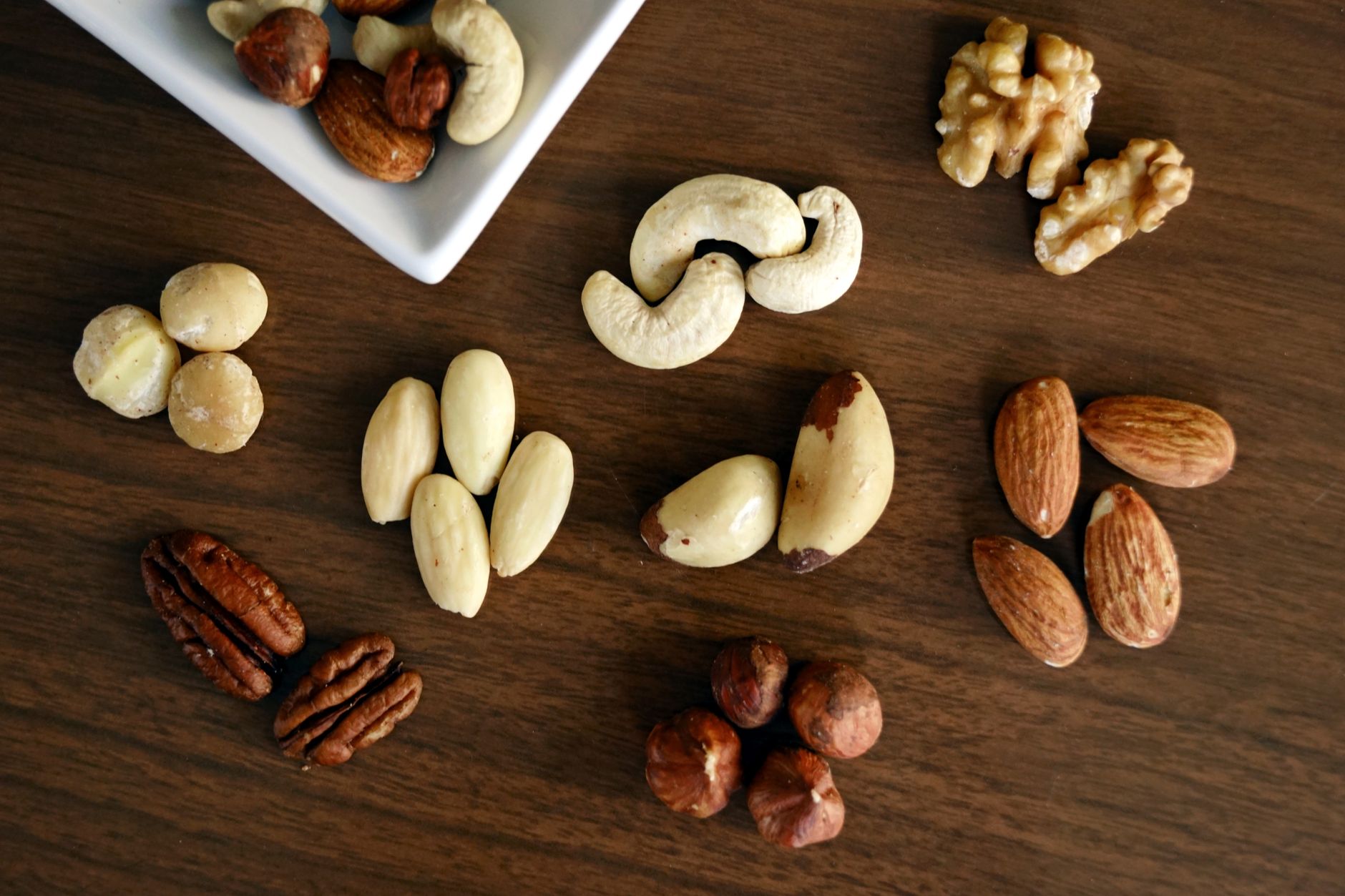
Brazil nuts are one of the highest sources of selenium. Just one to two nuts can contain over 200 micrograms of selenium, far exceeding the daily requirement. However, moderation is key due to their high selenium content.
2. Grains and Cereals
- Whole Grains: Foods like brown rice, whole wheat bread, and oats can contribute to your selenium intake. A cup of cooked brown rice typically has about 19 micrograms.
- Cereal Products: Fortified cereals often contain added selenium. Always check the label for selenium content.
3. Seeds
Sunflower seeds are also a great source of selenium. Just an ounce (about 28 grams) contains around 19 micrograms. These seeds make for excellent snacks or can be easily added to salads and granola.
4. Vegetables
- Spinach: This leafy green offers some selenium, with approximately 1.5 micrograms per cup when cooked.
- Brococcoli: Like spinach, broccoli provides a small amount of selenium, contributing beneficial nutrients alongside.
Incorporating Selenium-Rich Foods into Your Diet
Bumping up your selenium intake can be straightforward. Here are several practical ways to incorporate selenium-rich foods into your meals.
Meal Ideas
- Breakfast: Start your day with a nutrient-packed breakfast bowl. Consider oatmeal topped with sunflower seeds and sliced banana or scrambled eggs with spinach.
- Lunch: Include a tuna salad made with mixed greens, cherry tomatoes, and a sprinkle of sunflower seeds for added crunch and nutrition.
- Dinner: Try roasting a salmon fillet paired with quinoa and steamed broccoli. This meal brings together various selenium sources with a host of flavors.
- Snacks: Snack on Brazil nuts or keep a mix of trail nuts on hand for a quick selenium-rich snack.
Cooking with Selenium-Rich Ingredients
When preparing meals with selenium-rich foods, a few guidelines can enhance flavor and ensure nutrient preservation.
- Opt for cooking methods such as steaming or baking instead of boiling, which can help retain selenium content.
- Be cautious with high heat cooking methods like frying, which can decrease nutrient levels.
Recommended Daily Intake of Selenium
Understanding the recommended daily intake of selenium can help you gauge how much selenium you are getting from your diet. The recommended dietary allowance (RDA) for selenium varies by age and gender. For adults, it is generally set at 55 micrograms per day.
Potential Benefits of Selenium
While this article focuses on dietary sources, it’s essential to note that selenium plays several roles in the body, including:
- Supporting thyroid function
- Acting as a powerful antioxidant that helps combat oxidative stress
- Contributing to immune system function
Deficiency and Toxicity Risks
While selenium is essential, balance is critical. A deficiency can lead to serious health problems, while excessive intake can be toxic. Here’s what to watch for:
Deficiency Risks
Selenium deficiency may lead to health issues such as increased risk of infections, hypothyroidism, or even heart disease.
Toxicity Risks
Conversely, too much selenium can lead to selenosis, which has symptoms including hair loss, gastrointestinal issues, and fatigue. It’s crucial to avoid excessive consumption of selenium supplements and be mindful of high-selenium foods like Brazil nuts.
Common Culinary Questions About Selenium
As you explore selenium-rich foods, you may have some practical questions about cooking and combining these ingredients.
Can you get enough selenium from a vegetarian diet?
Yes, it is possible to obtain sufficient selenium from a vegetarian diet by including foods like whole grains, legumes, and nuts. However, monitoring intake is essential to meet your daily needs.
Are there any special considerations for cooking with selenium-rich foods?
When cooking with selenium-rich ingredients, remember that various cooking methods can affect the mineral’s availability. Gentle cooking methods that limit nutrient loss are recommended to maximize selenium intake.
Conclusion
Incorporating selenium-rich foods into your diet is not only beneficial for your health but can also enhance the flavor and nutrition of your meals. From seafood and poultry to nuts and grains, there are various delicious options to choose from. By including these foods, you can ensure that you meet your selenium needs while enjoying a diverse and flavorful diet.
Explore more cooking tips, meal planning ideas, and ingredient guides to enhance your culinary journey. Your next steps may include trying a new recipe or experimenting with some of the selenium-rich foods discussed in this article.