
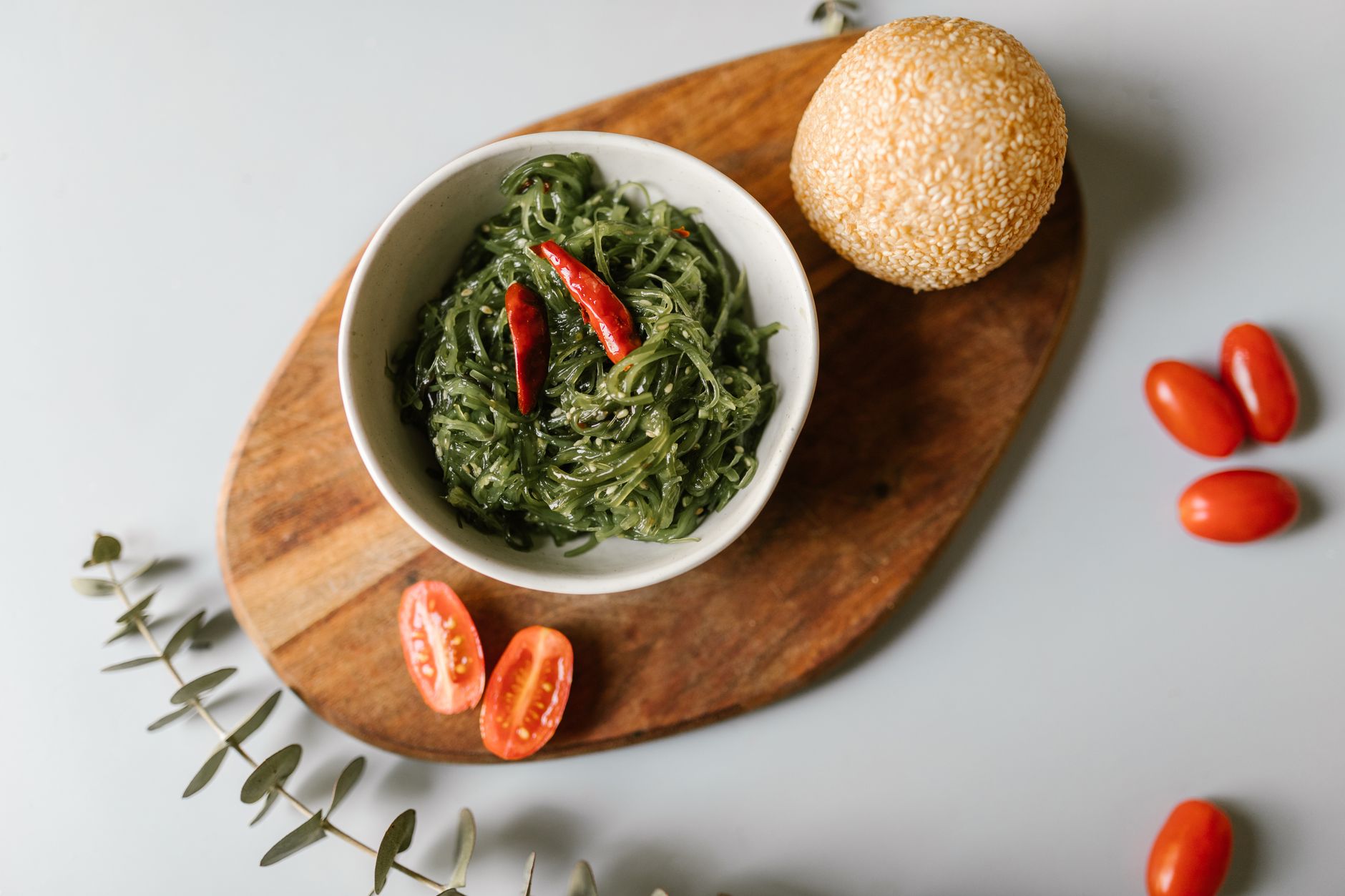
Seaweed is not just a staple in Asian cuisine; it’s also a powerhouse ingredient that can elevate dishes with its unique flavors, textures, and nutrition. In this article, we will explore the various culinary uses of seaweed, its health benefits, and practical tips for incorporating it into your meals.
From enhancing the umami flavor in broths to offering a crunchy topping for salads and rice bowls, seaweed is not only delicious but also versatile. Get ready to learn about types of seaweed, how to prepare it, and tips for using it in everyday cooking.
What Is Seaweed Good For?
Seaweed is good for enhancing flavor, adding nutrients, and providing various culinary applications. It’s rich in vitamins, minerals, and dietary fiber while offering a distinctive taste that can transform simple dishes into flavorful meals. Various types of seaweed, like nori, kombu, and wakame, have unique properties suitable for different recipes.
Types of Seaweed and Their Uses
There are numerous types of seaweed, each with distinct flavors, textures, and uses in cooking. The most common varieties include:
- Nori: A dark green seaweed used primarily for wrapping sushi and onigiri. It has a subtle umami flavor and is often sold in dried sheets.
- Kombu: A thick, dark green seaweed often used to make dashi (Japanese soup stock). It adds depth to broths and can be used in cooking grains to enhance flavor.
- Wakame: A tender seaweed typically found in miso soup and salads. It has a slightly sweet flavor and is often rehydrated before use.
- Dulse: A reddish-brown seaweed that can be eaten dried or used in dishes. It is known for its chewy texture and robust flavor.
- Hijiki: A black, stringy seaweed often used in Japanese dishes. It is typically soaked and cooked before consumption.
Health Benefits of Seaweed
Incorporating seaweed into your diet not only enhances flavors but also offers numerous health benefits:
- Nutrient-Rich: Seaweed is a great source of vitamins and minerals, including vitamin K, B vitamins, calcium, and iodine.
- Rich in Antioxidants: Seaweed contains various antioxidants that may help protect against oxidative stress.
- Supports Digestive Health: The fiber in seaweed aids digestion and supports gut health.
- May Aid Weight Management: Seaweed is low in calories but high in nutrients, making it a great option for those looking to maintain or lose weight.
- Potential Thyroid Support: The iodine content in seaweed is important for thyroid health and hormone production.
How to Prepare Seaweed
Most dried seaweed is easy to prepare and can usually be rehydrated by soaking in water. Here’s how to prepare some common types:
Preparing Nori
- Start with a sheet of nori.
- For sushi, toast it lightly over an open flame or in a dry skillet for a few seconds. This enhances its flavor.
- Cut to your desired size. If using for sushi rolls, ensure it fits the sushi mat.
Preparing Kombu
- Wipe any surface debris from the kombu with a damp cloth.
- To make dashi, soak kombu in water for 30 minutes to an hour before gently bringing it to a simmer.
- Remove kombu before the water reaches a rolling boil to prevent bitterness.
Preparing Wakame
- Soak dried wakame in cold water for about 10-15 minutes until it expands.
- Drain and rinse before incorporating it into soups or salads.
Using Dulse and Hijiki
Dulse can be eaten directly as a snack or added to soups and salads. Hijiki should be soaked in water for about 30 minutes before cooking, then simmered for 20 minutes, making it suitable for stir-fries or side dishes.
Culinary Applications of Seaweed
Seaweed can be used in various dishes to add flavor, texture, and nutrition. Here are some popular applications:
Soups and Broths
Kombu is a key ingredient in making dashi, a traditional Japanese broth. Adding wakame to miso soup enhances the flavor profile and adds a pleasant texture. Simply rehydrate the wakame and add it in during the final cooking stage.
Salads
Wakame is commonly used in salads, adding a slight crunch and marine taste. You can combine it with sliced cucumbers, sesame oil, rice vinegar, and soy sauce for a refreshing side dish. Dulse can also be crumbled on top for a savory element.
Sushi and Onigiri
Nori sheets are essential for sushi rolls and onigiri (rice balls). The unique taste of nori complements the rice and other fillings, such as fish or vegetables. Toasting nori before wrapping can enhance its flavor and make it easier to roll.
Grains and Legumes
Incorporating kombu when cooking grains like rice or beans adds flavor and enhances nutrient absorption. A piece of kombu can be added to the cooking pot and removed before serving.
Snacks
Seaweed snacks, which are made from roasted, seasoned nori, have gained popularity as a healthy snack option. You can easily make your own by cutting nori sheets into smaller pieces, brushing them with oil, sprinkling with salt, and baking until crispy.
Practical Tips for Cooking with Seaweed
To get the best results when using seaweed, consider the following tips:
- Storage: Keep dried seaweed in a cool, dry place. Once opened, store it in an airtight container.
- Quality Matters: Choose high-quality, organic seaweed whenever possible to ensure flavor and avoid contaminants.
- Experiment with Flavors: Seaweed can absorb flavors well, so consider pairing it with complementary ingredients like garlic, ginger, sesame, and citrus.
- Do Not Overcook: Seaweed can become tough if overcooked. Add it towards the end of cooking or just simmer until tender.
- Use Sparingly: Due to its strong flavor, using seaweed in moderation can enhance your dishes without overpowering them.
Seaweed Substitutions
If you’re in a pinch and don’t have a certain type of seaweed on hand, here are some practical substitutions:
- Nori: You can use rice paper or a lettuce leaf as a wrap, but the flavor won’t be as umami-rich.
- Kombu: Use a splash of soy sauce or tamari for umami flavor—but it’ll lack the same depth.
- Wakame: Arugula or spinach can provide some similar textures in salads but will taste different.
- Dulse: Smoked paprika can add a hint of smokiness, although the flavors are different.
Common Mistakes When Cooking with Seaweed
To achieve the best results, avoid these common mistakes:
- Using Too Much: A little goes a long way; adding too much can overpower your dish.
- Not Rehydrating Properly: Forgetting to soak dried seaweed can lead to an unpleasant texture.
- Cooking It Too Long: Overcooked seaweed becomes tough and chewy—add it towards the end of cooking when possible.
Storage and Preservation of Seaweed
Proper storage can help maintain the quality of your seaweed:
- Dried Seaweed: Store in an airtight container in a cool, dry location. Avoid moisture.
- Refrigerated Seaweed: If opened, keep in the refrigerator in a sealed container and consume within a few weeks.
- Freezing: Most seaweeds do not freeze well as textures can change. It’s better to use them fresh or directly after rehydration.
Cooking with Seaweed: Easy Recipes
Now that you understand how to prepare and use seaweed, here are a few simple recipes to get you started:
Seaweed Salad
This refreshing seaweed salad can serve as a side dish or a light main course.
- Ingredients:
- 1 cup dried wakame seaweed
- 1/4 cup soy sauce
- 2 tablespoons rice vinegar
- 1 teaspoon sesame oil
- 1 tablespoon sesame seeds
- 1/4 cup thinly sliced cucumber
- Optional: 1 tablespoon sliced scallions
- Soak the wakame in cold water for about 10-15 minutes until rehydrated.
- Drain, rinse, and chop into bite-sized pieces.
- In a bowl, combine soy sauce, rice vinegar, and sesame oil.
- Add wakame, cucumbers, and sesame seeds; toss to combine.
- Garnish with sliced scallions if desired and serve chilled.
Quick Miso Soup with Kombu
This traditional miso soup is comforting and full of umami flavor.
- Ingredients:
- 4 cups water
- 1 piece of kombu (about 4 inches long)
- 1/4 cup miso paste
- 1/2 cup diced tofu
- 1/4 cup rehydrated wakame
- Optional: sliced scallions for garnish
- In a pot, combine water and kombu; soak for 30 minutes.
- Heat over medium heat until just simmering; remove kombu.
- Whisk in miso paste until dissolved.
- Add tofu and wakame; heat gently for 2-3 minutes.
- Serve hot, garnished with scallions if desired.
Simple Roasted Seaweed Snacks
A quick and healthy snack that’s easy to prepare.
- Ingredients:
- 5 sheets of nori
- 1 tablespoon olive oil
- 1/2 teaspoon sea salt
- Optional: sesame seeds, seaweed seasoning mix
- Preheat the oven to 350°F (175°C).
- Cut nori sheets into smaller squares or strips.
- Brush lightly with olive oil and sprinkle with salt.
- Arrange in a single layer on a baking sheet.
- Bake for 10-15 minutes until crispy—keep an eye to prevent burning.
- Cool down and store in an airtight container.
Conclusion
Seaweed is an incredibly versatile ingredient with numerous culinary applications and health benefits. Incorporating various types of seaweed into your diet can bring distinct flavors and essential nutrients to your meals. From soups to salads, explore the different varieties to see how they can enhance your cooking.
For more information on nutritious ingredients, check out our guide on the benefits of chia seeds or try our chia pudding recipe with coconut milk for a delicious, healthful dessert. Happy cooking!