
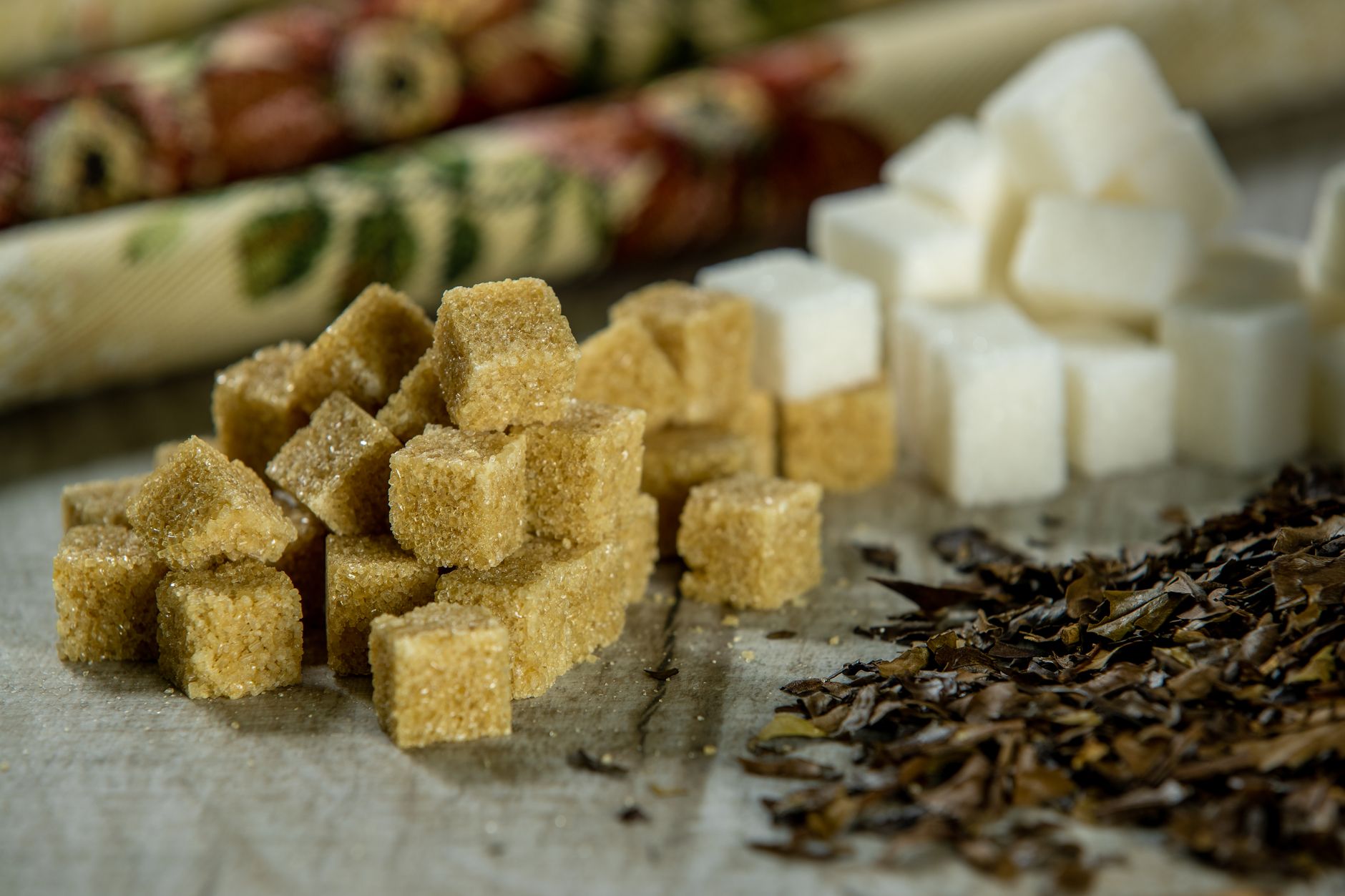
Brown sugar and white sugar are staples in many kitchens, frequently used in a variety of recipes. While both may serve similar functions in cooking and baking, differences in composition, flavor, and applications raise the question: is brown sugar better than white sugar? Understanding these differences can help you make informed choices for your culinary needs.
Each type of sugar imparts unique qualities to dishes, influencing taste, moisture, and texture. This article will explore the characteristics of brown and white sugar, their uses, nutritional aspects, and whether one is truly superior to the other.
Is Brown Sugar Better Than White Sugar?
Brown sugar is often considered a slightly better option than white sugar due to its higher mineral content and moisture, which can enhance flavor and texture in some recipes. However, the differences may not be significant enough to warrant complete substitution in all cases.
What is Brown Sugar?
Brown sugar is a type of sugar that contains molasses, contributing to its distinct flavor and color. It comes in two main varieties: light brown sugar and dark brown sugar. The color difference is due to the amount of molasses added during processing. Light brown sugar contains about 3.5% molasses, while dark brown sugar has roughly 6.5%.
The presence of molasses not only gives brown sugar a richer flavor, but it also adds moisture, making it a favorite in baking recipes where a chewy or softer texture is desired.
What is White Sugar?
White sugar, often referred to as granulated sugar or table sugar, is produced from sugar cane or sugar beet through a refining process that removes molasses and impurities. This results in a pure, sweet flavor with a fine texture. White sugar is versatile and commonly used in a variety of culinary applications, including baking, cooking, and sweetening beverages.
Culinary Uses of Brown Sugar
Brown sugar brings its unique flavor and texture to various dishes. Here are some common culinary uses:
- Baking: Brown sugar is often used in recipes for cookies, cakes, and brownies, contributing to moistness and chewiness.
- Glazes and Sauces: The caramel-like flavor of brown sugar complements savory dishes, such as barbecue sauces and marinades.
- Sweetening Beverages: Brown sugar can be used to sweeten coffee and tea for a distinctive flavor profile.
- Oatmeal and Porridge: Adding brown sugar to breakfast cereals enhances both flavor and moisture.
Culinary Uses of White Sugar
White sugar is incredibly versatile and is used in various applications. Here are some primary uses:
- Baking: Essential for many cakes, cookies, and pastries, white sugar helps to create structure and sweetness.
- Sweetening: White sugar is commonly used to sweeten beverages, including coffee, tea, and cocktails.
- Preserving: Used in jams and jellies, white sugar acts as a preservative, extending shelf life.
- Confectionery: White sugar is the main ingredient in candies, providing texture and sweetness.
Nutritional Comparison
The nutritional content of brown sugar and white sugar is relatively similar, though there are some notable differences. Here’s a breakdown:
| Nutrient | Brown Sugar (per 100g) | White Sugar (per 100g) |
|---|---|---|
| Calories | 380 | 387 |
| Carbohydrates | 98g | 100g |
| Minerals (iron, calcium, potassium) | Trace amounts | None |
While brown sugar contains trace amounts of minerals due to the molasses, the overall difference in nutritional value is minimal, and it still primarily consists of carbohydrates and calories.
Key Differences Between Brown Sugar and White Sugar
Understanding the differences between brown sugar and white sugar can help you choose the right option for your recipes:
- Flavor: Brown sugar has a deeper, caramel flavor due to the molasses, while white sugar has a crisp, pure sweetness.
- Moisture Content: Brown sugar contains moisture from molasses, resulting in a chewier texture in baked goods, while white sugar is drier.
- Color: The color of brown sugar ranges from light golden to dark brown, whereas white sugar is completely white.
- Processing: Brown sugar is less refined than white sugar, retaining some of its natural components.
When to Use Brown Sugar vs. White Sugar
Choosing between brown sugar and white sugar often depends on the desired outcome in a recipe. Here are some guidelines:
When to Use Brown Sugar
- Use brown sugar for cookies, particularly chocolate chip or oatmeal varieties, to achieve a chewy texture.
- In sauces and marinades, brown sugar enhances flavor with its depth.
- For baked goods such as gingerbread, where a rich taste is desired, opt for brown sugar.
When to Use White Sugar
- White sugar is ideal for cakes and meringues, as it provides structure and stability.
- Use white sugar for sweetening cold beverages where a pure sweetness is needed.
- In recipes where browning sugar is not desired, such as light-colored frostings, choose white sugar.
Substituting Brown Sugar for White Sugar and Vice Versa
If you find yourself in need of one type of sugar while only having the other, you can substitute, but adjustments may be necessary:
Substituting Brown Sugar for White Sugar
- Brown sugar can replace white sugar in a 1:1 ratio, but expect a different flavor and increased moisture in your final product.
- Consider reducing other liquids in your recipe slightly to maintain the desired consistency.
Substituting White Sugar for Brown Sugar
- When substituting white sugar for brown sugar, use a 1:1 ratio, but add a tablespoon of molasses or maple syrup for every cup of sugar to replicate the flavor and moisture.
- Be aware that some chewiness may be lost in baked goods as a result.
Common Mistakes When Using Sugar
When baking and cooking with sugar, mistakes can easily occur. Here are some tips to avoid common pitfalls:
- Correct Measurement: Always accurately measure sugar, as too much or too little will affect texture and sweetness.
- Inappropriate Substitutions: Know that not all recipes work well with sugar substitutions. Experiment carefully.
- Ignoring Texture Preferences: Remember that sugar contributes to moisture—substituting may alter the intended outcome.
Conclusion: Brown Sugar vs. White Sugar
While brown sugar may offer a slightly better flavor profile and added moisture, white sugar remains a versatile staple with its pure sweetness and structure in baking. Both sugars bring unique characteristics to your culinary creations, and the choice should align with your specific recipe and personal taste preferences.
Next time you reach for sugar, consider the flavors you wish to impart and the texture you desire. For recipes that would benefit from brown sugar’s depth, such as in this brown sugar syrup recipe, you may find it to be the superior choice. Alternatively, for traditional cookies and frostings, feel free to explore options using white sugar, like in this sugar cookie frosting recipe.