
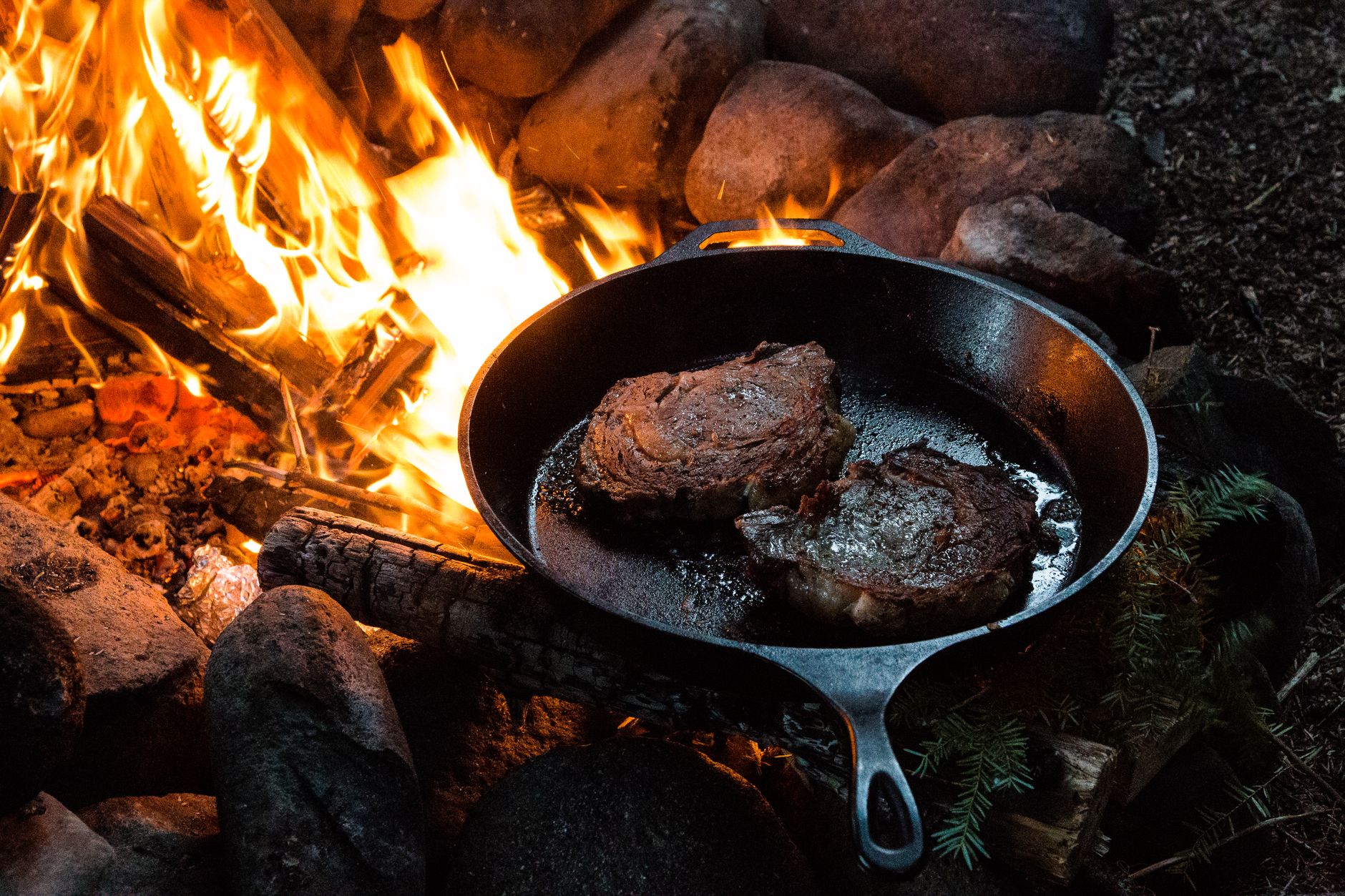
Searing steak correctly is essential to developing its rich flavor and mouthwatering crust. This technique, often used in a variety of cooking methods, is crucial for achieving a restaurant-quality steak at home. Knowing how long to sear steak and understanding the factors involved can elevate your cooking skills and ensure delicious results.
In this guide, we will explore the ideal searing times for various cuts of steak, the techniques involved, and tips to perfect your method. Whether you’re preparing a tender filet mignon or a robust ribeye, mastering the art of searing will transform your culinary experience.
How Long To Sear Steak?
The time it takes to sear steak typically ranges from 2 to 5 minutes per side, depending on the cut, thickness, and desired doneness. Factors such as heat intensity and the type of pan also significantly affect the searing time.
Understanding Searing
Searing is a cooking method that involves cooking the surface of the steak at a high temperature to create a flavorful and visually appealing crust. This process enhances the steak’s natural flavors through the Maillard reaction, which occurs when proteins and sugars in the meat react under high heat.
While the primary goal of searing is to create a delicious crust, it is essential not to overlook the proper cooking temperature and time to ensure the steak is cooked evenly throughout. The balance between searing and cooking the interior is what makes the perfect steak.
Factors Affecting Searing Time
- Thickness: Thicker cuts require longer searing times to ensure they cook through without burning the exterior.
- Cut of Steak: Different cuts of steak have varying textures and fat content, affecting how long they require to sear.
- Doneness Level: Your preferred doneness (rare, medium, well-done) dictates the searing time and overall cooking time.
- Pan Type: Some materials retain heat better than others. Cast iron pans, for example, can sustain high temperatures for longer periods, while non-stick pans may require less time.
- Heat Source: Whether you are using a stovetop, grill, or broiler, every heat source has its characteristics that influence searing time.
Step-by-Step Guide to Searing Steak
- Select Your Steak: Choose a cut best suited to your preferences. Popular options include ribeye, filet mignon, T-bone, or sirloin.
- Prepare the Steak: Remove the steak from the refrigerator and let it come to room temperature for about 30 minutes. Pat it dry with paper towels to remove excess moisture, which can hinder the searing process.
- Season the Steak: Generously season both sides of the steak with kosher salt and freshly ground black pepper. You can also add other seasonings such as garlic powder or herbs, but simplicity often yields the best results.
- Choose Your Pan: A heavy-bottomed skillet or cast iron pan is ideal for searing steak, as they can retain heat effectively. You may also use a grill if preferred.
- Preheat the Pan: Heat the pan over medium-high heat until it reaches a high temperature. You may add a small amount of oil with a high smoke point, such as vegetable or canola oil, to lightly coat the pan. Ensure the oil shimmers but doesn’t smoke excessively.
- Add the Steak: Carefully place the steak in the pan, laying it away from you to prevent splattering. Allow it to sear undisturbed; touching it can interfere with the crust formation.
- Sear Each Side: Depending on the thickness of the steak, sear for about 2 to 5 minutes on each side. Check for doneness by visually assessing the crust or by using a meat thermometer (see below).
- Use a Meat Thermometer: To ensure a properly cooked steak, use a meat thermometer. Below are some general guidelines for steak doneness:
- Rare: 120°F (49°C) – Very cool red center.
- Medium Rare: 130°F (54°C) – Warm red center.
- Medium: 140°F (60°C) – Warm pink center.
- Medium Well: 150°F (65°C) – Slightly pink center.
- Well Done: 160°F (71°C) – No pink in the center.
- Rest the Steak: Once cooked to your desired level, remove the steak from the pan and place it on a cutting board. Cover loosely with foil and let it rest for about 5 to 10 minutes. This allows the juices to redistribute throughout the meat.
Common Mistakes When Searing Steak
- Not Letting the Steak Reach Room Temperature: Cold steak can lead to uneven cooking. Always let it sit at room temperature before cooking.
- Overcrowding the Pan: Cooking multiple pieces at once can lower the pan temperature, leading to poor searing. Cook in batches if necessary.
- Constantly Moving the Steak: Resist the urge to flip or move the steak too often; it needs undisturbed time to develop a proper crust.
- Using Too Low of a Heat: Insufficient heat can prevent the Maillard reaction, leading to a pale, unappetizing appearance.
- Skipping the Resting Step: This is key for juicy steak. Cutting too early allows the juices to run out, resulting in a dry texture.
Tips for Perfectly Searing Steak
- Choose Quality Meat: Invest in high-quality beef for the best results. Look for marbling, as fat content contributes to flavor and juiciness.
- Use a Cast Iron Skillet: This type of skillet is ideal for maintaining high temperatures and creates an excellent sear.
- Patience is Key: Let the steak sear undisturbed to develop a great crust. If it sticks to the pan when you try to flip it, it’s not ready to turn.
- Experiment with Seasonings: Feel free to add other spices, dry rubs, or marinades, but keep it balanced to complement the beef flavor.
- Consider Basting: For added flavor, you can baste the steak with butter and herbs during the last minute of cooking.
Variations on Searing Steak
Reverse Searing
This method involves cooking the steak slowly at a low temperature before finishing it with a quick sear. Preheat the oven to 225°F (107°C) and cook the steak until it reaches an internal temperature of approximately 20°F (11°C) below your desired doneness. Then, sear it in a hot pan for 1 to 2 minutes per side to develop a crust.
Grill Searing
Searing on the grill can impart a unique smoky flavor. Preheat your grill to high heat and follow the same principles as you would on a stovetop, adjusting the searing time based on the grill type and thickness of the steak.
Broiling
For those without a grill or skillet, the broiler can create an excellent crust. Position the oven rack close to the heat source, preheat the broiler, and place the steak on a broiler pan. Broil for about 5 to 6 minutes per side, depending on thickness.
Storage and Reheating
For any leftover steak, allow it to cool completely, then store in an airtight container in the refrigerator for up to five days. To reheat, aim for low and slow to preserve the meat’s tenderness. Use the oven at 250°F (121°C) or a microwave on low power, flipping halfway through to avoid drying out the steak.
Understanding how to sear steak not only enhances the flavor but also enriches your overall cooking experience. Whether you prefer your steak rare or well-done, searing at the right temperature for the right amount of time is crucial. The techniques and tips shared here can help you achieve the perfect steak every time.
When it comes to perfecting your steak-searing skills, practice makes perfect. Don’t hesitate to experiment with different cuts, cooking styles, and seasonings to find what excites your palate most. Enjoy the process as you refine your technique and impress your family and friends with delicious results.
For more related recipes, consider trying our minute steak recipe or our T-bone steak recipe for delightful additions to your cooking repertoire!