
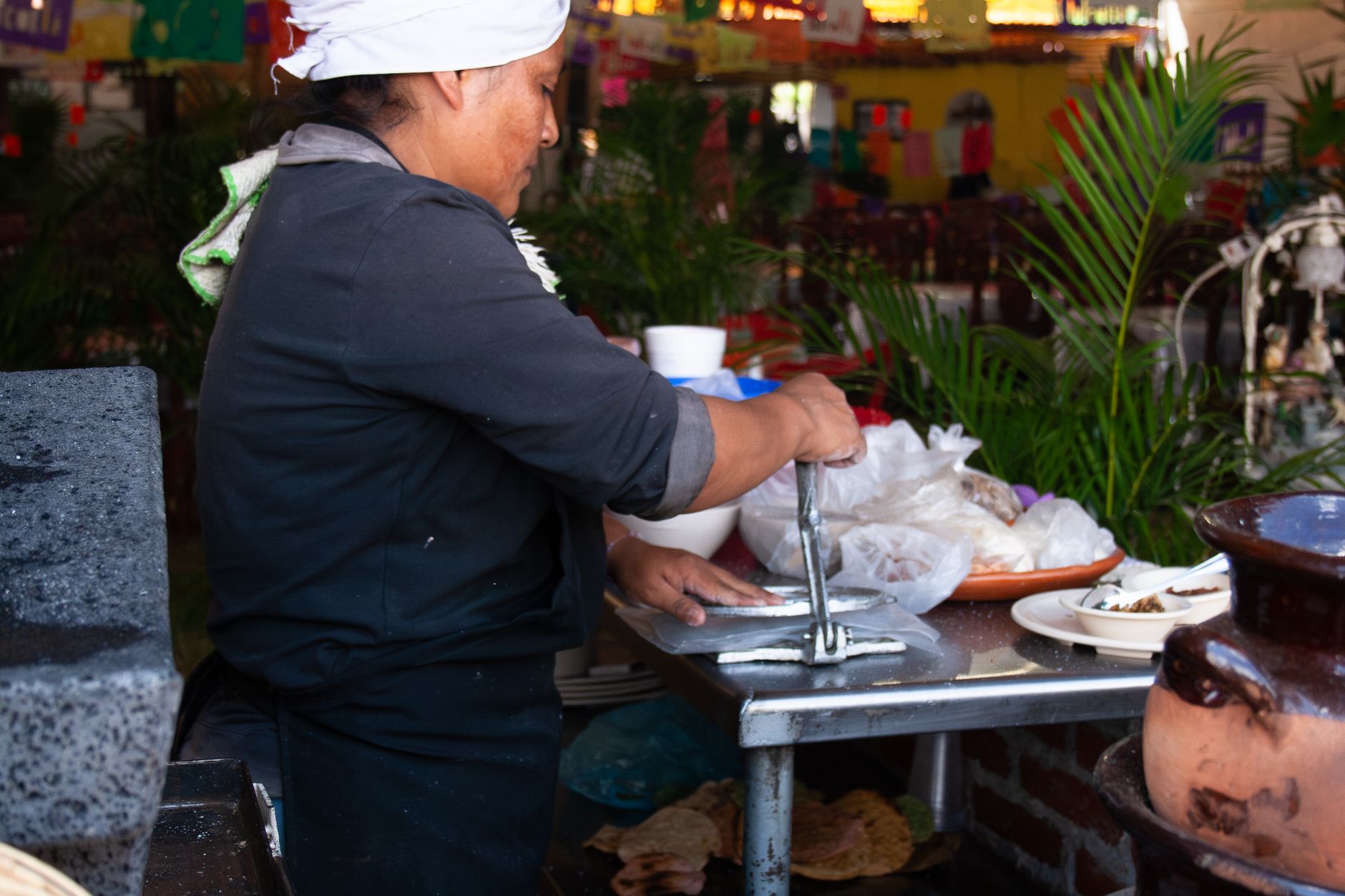
Tortillas are a staple in many kitchens, serving as a foundation for countless dishes from tacos to burritos. They are versatile, convenient, and can enhance a variety of meals. However, with questions about their shelf life and storage, many wonder: do tortillas go bad?
Understanding the nature of tortillas’ ingredients, how to store them properly, and recognizing the signs of spoilage can help you enjoy them at their best and minimize waste in your kitchen.
Do Tortillas Go Bad?
Yes, tortillas can go bad. Their shelf life depends on various factors such as type, storage method, and expiration dates. While they may not spoil as rapidly as some perishable foods, tortillas can lose quality, become stale, or develop mold if not stored correctly.
Understanding the Types of Tortillas
Before diving into storage and spoilage details, it’s essential to understand the different types of tortillas. The two most common varieties are:
- Corn tortillas: Made from masa harina (corn dough), they are gluten-free and have a distinct flavor.
- Flour tortillas: Typically made with wheat flour, water, fat, and a leavening agent, these tortillas are softer and more pliable.
Each type has its characteristics which can influence their shelf life and storage needs.
Shelf Life of Tortillas
Tortillas have varying shelf lives depending on their type and how they are stored. Here’s a general overview:
- Store-bought corn tortillas: Usually last 1 week past the printed expiration date when kept in the refrigerator and can be frozen for up to 6 months.
- Store-bought flour tortillas: Typically have about 1 week of shelf life at room temperature and up to 2 weeks in the refrigerator; flour tortillas can also be frozen for about 6 months.
- Homemade tortillas: Generally best when consumed within 2-3 days but can be refrigerated for up to a week or frozen for longer storage.
Be sure to check for specific dates on the packaging, as some brands may have different recommendations based on their preservatives or production methods.
How to Store Tortillas Properly
Proper storage is crucial to prolonging the freshness of your tortillas. Here are key tips for effective storage:
Room Temperature
- Keep unopened packages of tortillas in a cool, dry place, away from direct sunlight and heat sources.
- Once opened, wrap the tortillas tightly in plastic wrap or place them in an airtight container to reduce the risk of drying out.
Refrigeration
- For longer shelf life, store tortillas in the refrigerator. Again, using airtight containers or tightly wrapped in plastic can help maintain moisture and texture.
- Label the package with the date of storage to keep track of freshness.
Freezing
Freezing is an excellent option for long-term storage.
- Place parchment paper between tortillas before stacking them neatly in a freezer-safe bag to prevent sticking.
- Remove excess air from the bag and seal it tightly. Written dates can also help track freshness.
To use frozen tortillas, thaw them overnight in the refrigerator or at room temperature for a couple of hours before use.
Signs That Tortillas Have Gone Bad
Even with proper storage, tortillas can spoil. Here are some key indicators that they have gone bad:
Mold
The most obvious sign is the presence of mold. Any visible mold means the tortillas should be discarded immediately. Mold can appear as white, green, or black spots.
Texture Changes
If tortillas become excessively dry and cracked, they will not hold together well when folded or wrapped. While they may not be harmful, they won’t taste good.
Unpleasant Smell
If tortillas smell sour or off, it is safer to discard them rather than consume them.
Common Questions About Tortilla Storage
Can I eat expired tortillas?
While some tortillas may still be safe to eat past their expiration date, quality and flavor may deteriorate. Always inspect for signs of spoilage before consuming.
Can you freeze tortillas?
Yes, freezing tortillas is an excellent way to extend their shelf life. Just ensure to wrap them well to avoid freezer burn and label them with the date.
How can I revive stale tortillas?
If tortillas are slightly stale, you can revive them by wrapping them in a damp paper towel and microwaving them for 15-20 seconds. This can help restore some moisture and pliability.
Using Leftover Tortillas
If you find yourself with leftover tortillas that are still safe to eat, consider these ideas to use them creatively:
- Tortilla Chips: Cut tortillas into triangles, brush with oil, sprinkle with salt, and bake until crispy for delicious homemade chips.
- Quesadillas: Layer cheese and other fillings between two tortillas and grill until the cheese melts.
- Tortilla Wraps: Use tortillas to wrap various fillings like grilled meats, veggies, or beans for a quick meal.
- Breakfast Tacos: Fill tortillas with eggs, cheese, and your choice of toppings for an easy breakfast option.
Conclusion
Understanding how to store tortillas correctly and recognize their spoilage signs can significantly enhance your cooking experience and minimize food waste. With the right knowledge, you can continue to enjoy this versatile staple in your meals.
For more ideas on food storage or using leftovers, explore our guides on freezing tortillas and learn how long items like cottage cheese last after opening at this useful link.