
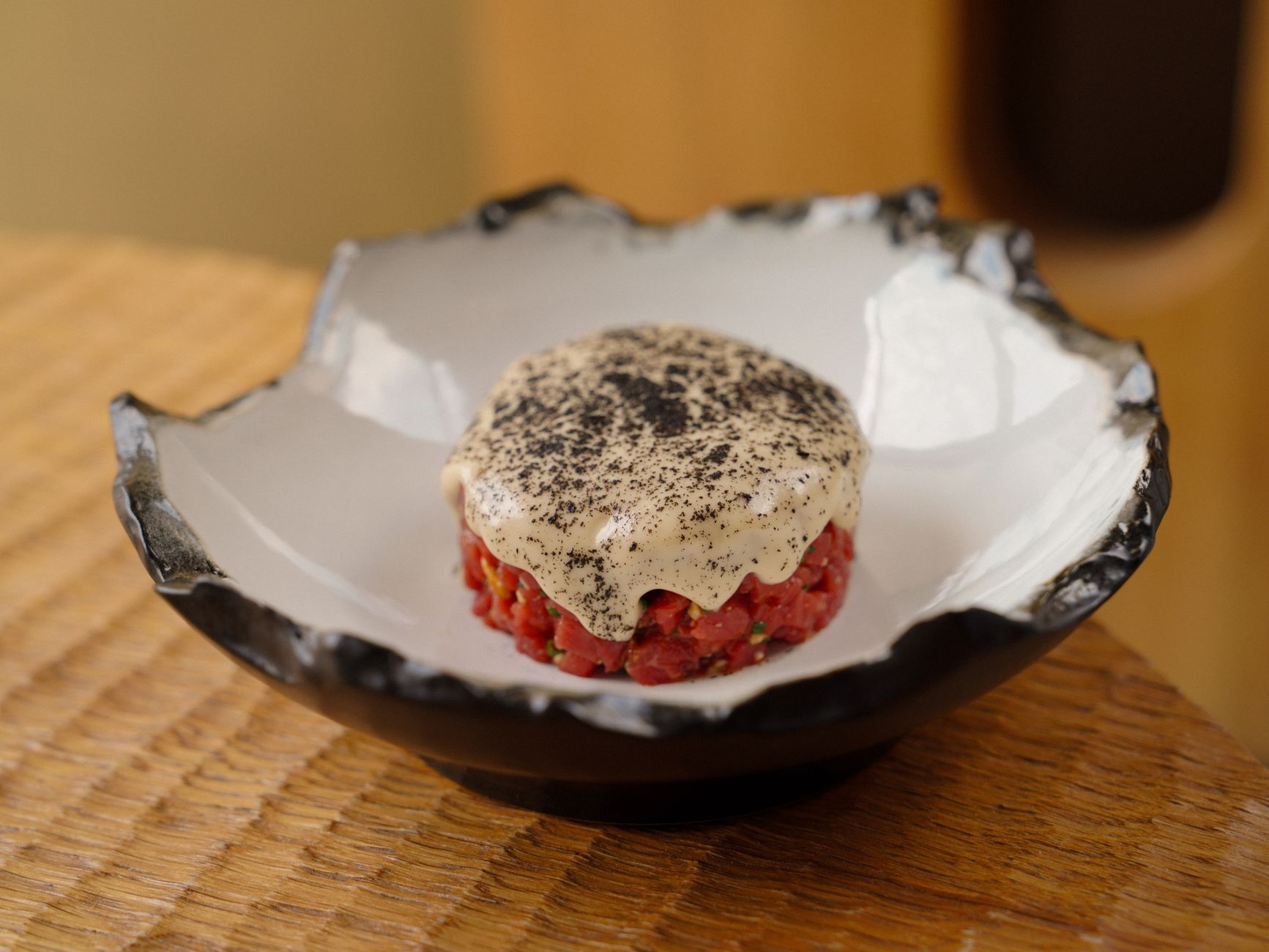
Steak tartare is a classic dish made from finely minced raw beef, typically seasoned and served with various accompaniments. Its rich, bold flavor and unique texture make it a beloved choice for both adventurous eaters and connoisseurs of fine dining.
This dish is often presented as an appetizer and is known for its elegant presentation. Despite its reputation, many home cooks find the idea of preparing raw meat daunting. However, with the right ingredients and techniques, anyone can create this sophisticated dish at home.
What Is Steak Tartare?
Steak tartare is a dish consisting of finely chopped or minced raw beef that is traditionally seasoned with various ingredients. Other forms of tartare can include seafood or vegetables; however, the classic version remains a favorite. The dish is commonly served with optional condiments such as capers, onions, Worcestershire sauce, and egg yolk, providing a complex balance of flavors.
History of Steak Tartare
The origins of steak tartare can be traced back to the Mongolian horsemen who reportedly ate raw meat. It evolved in France during the 20th century, taking on a more refined form that has since become popular worldwide.
Flavor and Texture Profile
The flavors of steak tartare are rich and meaty, often highlighted by the tanginess of condiments and the creaminess of the egg yolk. The texture is soft yet chewy, creating a satisfying mouthfeel. Each ingredient adds a unique taste and textural component to the dish.
Ingredients for Steak Tartare
When preparing steak tartare, the quality of the ingredients is paramount. Here’s a detailed list of what you will need:
- 8 ounces of high-quality beef tenderloin or sirloin (fat-trimmed and finely minced)
- 1 small shallot or onion (finely chopped)
- 1 tablespoon of capers (drained and finely chopped)
- 1 tablespoon of Dijon mustard
- 1-2 drops of Worcestershire sauce
- 1 raw egg yolk
- Salt and freshly ground black pepper to taste
- Chopped fresh herbs (such as parsley or chives, optional)
- Freshly baked baguette or toast (for serving)
Essential Equipment
To successfully prepare steak tartare, having the right tools is essential. Here’s what you’ll need:
- Sharp chef’s knife
- Cutting board
- Mixing bowl
- Measuring spoons
- Plate for serving
Preparing Steak Tartare
The process of creating steak tartare involves careful preparation and attention to cleanliness. Here’s a step-by-step guide:
- Start with high-quality beef. Obtain fresh, grass-fed beef from a trusted butcher and have them trim off any external fat or sinew.
- Use a sharp knife to finely mince the beef into small pieces, ensuring uniformity for better mixing.
- In a mixing bowl, combine the minced beef with chopped shallots, capers, Dijon mustard, Worcestershire sauce, salt, and pepper. Mix gently but thoroughly.
- Create an indentation in the mixture and carefully place the raw egg yolk on top, allowing it to rest.
- Optional: Fold in chopped herbs to the mixture for added flavor.
- Serve immediately on a chilled plate alongside toasted baguette slices.
Common Mistakes to Avoid
While preparing steak tartare can be straightforward, several common pitfalls can lead to undesirable results:
- Using low-quality meat: Always select the freshest ingredients. The taste of the final dish heavily depends on the meat’s quality.
- Overmixing: This can lead to a mushy texture; gently fold the ingredients together for the best results.
- Serving it too warm: Chilling your meat prior to preparation helps achieve a better flavor and texture.
Serving Suggestions for Steak Tartare
Steak tartare is often garnished and served in various stylish ways. Here are some ideas to elevate the presentation:
- Serve with a side of mixed greens lightly dressed with vinaigrette for contrast.
- Pair with artisanal bread or crackers, allowing guests to create small bites.
- Enhance the dish with additional toppings like microgreens or pickled vegetables.
Make-Ahead and Storage Guidance
Steak tartare is best enjoyed fresh due to the raw nature of the dish. It is not recommended to prepare it in advance, as this can affect the flavor and texture. However, you can:
- Prepare and chop ingredients separately. Combine them just before serving.
- Store leftover condiments separately in airtight containers in the refrigerator for 1-2 days, but discard any uneaten tartare.
Variations of Steak Tartare
There are numerous ways to put your own spin on traditional steak tartare:
- Substitute the beef with finely chopped raw fish or seafood for a unique take.
- Incorporate flavored oils, like truffle or sesame oil, for a rich experience.
- Add spiciness with diced jalapeños or a dash of hot sauce.
Common Ingredient Substitutions
If you find yourself without certain ingredients, here are some viable substitutions:
- Shallots can be replaced with finely minced red onions for a sharper flavor.
- Capers can be substituted with finely chopped green olives for a different briny taste.
- Dijon mustard may be swapped for a whole-grain mustard for added texture.
Understanding Food Safety with Raw Meat
Handling raw meat requires strict attention to food safety to minimize the risk of foodborne illnesses. Here are essentials to consider:
- Purchase meat from a reputable source and ensure it is as fresh as possible.
- Keep meat refrigerated until ready to prepare. Never leave it at room temperature for extended periods.
- Use clean utensils and surfaces to avoid cross-contamination.
Wine Pairings for Steak Tartare
Choosing the right wine can enhance your steak tartare experience. Here are some recommended pairings:
- A light-bodied red wine, such as Pinot Noir, can complement the rich flavors without overpowering them.
- For white wine lovers, a crisp Sauvignon Blanc can provide a refreshing contrast to the dish.
- Champagne or sparkling wines can also pair elegantly with steak tartare, adding a celebratory touch.
Conclusion
Steak tartare is a sophisticated yet approachable dish that marries the flavors of high-quality raw beef with a variety of condiments. By understanding the techniques, ingredients, and safety measures, anyone can prepare this classic dish at home. Whether you enjoy it as a refined appetizer or a centerpiece dish, steak tartare showcases the beauty of fresh ingredients in a delightful way.
If you’re intrigued by other delicious beef preparations, explore our hamburger steak recipe or learn to master a T-bone steak recipe. Expand your culinary skills and enjoy new flavors!