
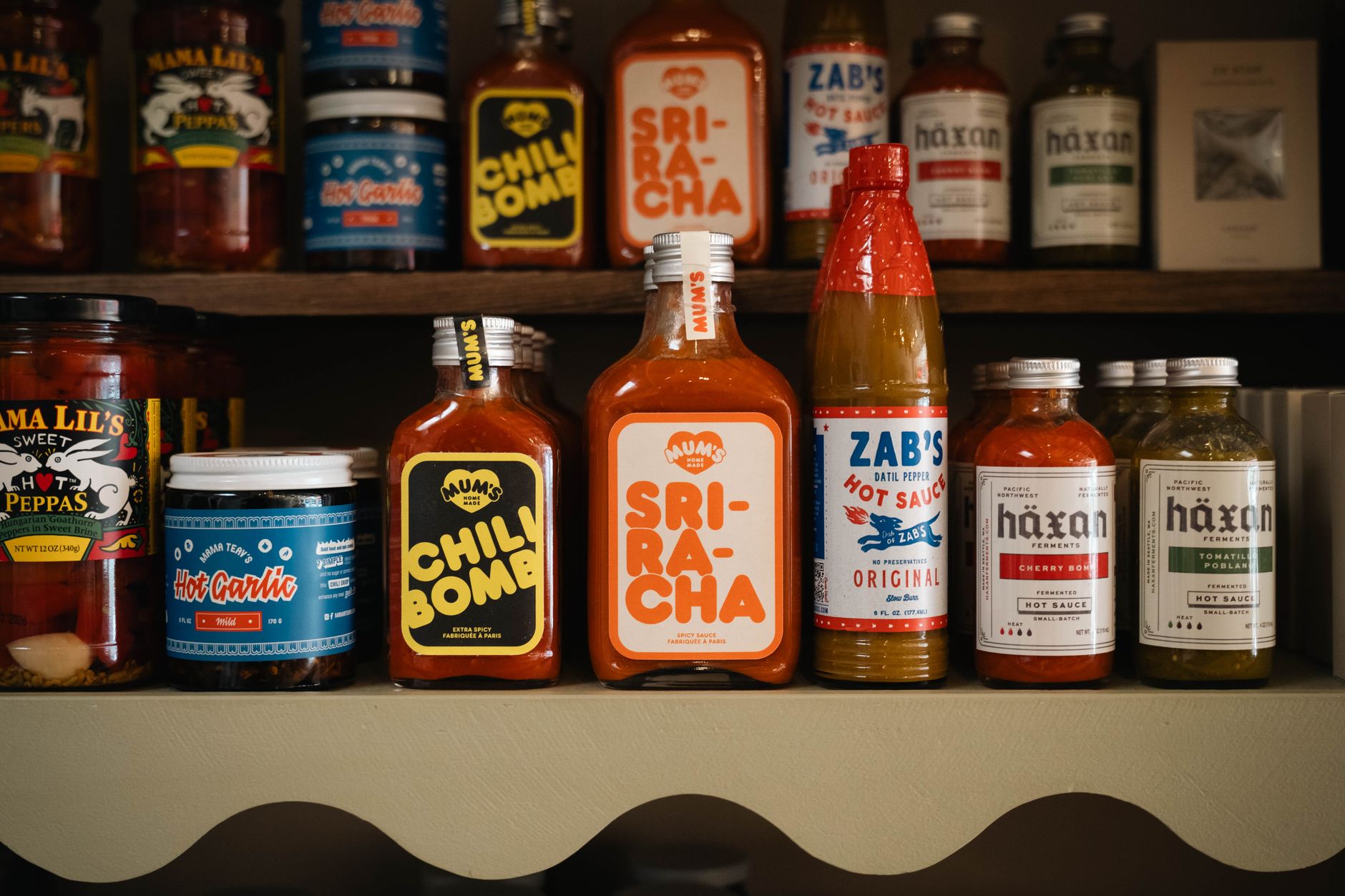
Sriracha sauce, named after the coastal town of Si Racha in Thailand, has taken the culinary world by storm. This flavorful condiment brings a delightful balance of heat and sweetness, making it a favorite addition to various dishes. However, questions often arise about its storage—specifically, whether it needs to be refrigerated after opening.
Understanding how to properly store Sriracha can help maintain its quality and flavor over time. This article will delve into the best practices for storing Sriracha, how to recognize when it’s expired, and explore some interesting uses for this versatile sauce.
Does Sriracha Need To Be Refrigerated?
No, Sriracha does not need to be refrigerated. This popular hot sauce can be stored in a pantry or cupboard, away from direct sunlight and heat. However, refrigerating it can extend its shelf life and help preserve its fresh flavor, especially after a long time or if you don’t use it regularly.
What Is Sriracha?
Sriracha is a hot sauce made primarily from chili peppers, vinegar, garlic, sugar, and salt. It has a vibrant red color and offers a tangy and spicy flavor profile, which enhances a multitude of dishes. Its origin in Thailand ties it closely to Asian cuisine, but Sriracha has become a staple in kitchens globally, used in everything from dipping sauces to marinades.
Storage Guidelines for Sriracha
When it comes to Sriracha storage, there are two main options: at room temperature and in the refrigerator. Here’s how to decide what’s best for your situation:
Storing at Room Temperature
- Ensure the cap is tightly sealed to prevent contamination.
- Keep it in a cool, dark place, such as a pantry or cupboard.
- Use it regularly, as this will keep the ingredients fresh.
- Be aware that exposure to heat and sunlight may degrade the sauce faster.
Storing in the Refrigerator
- Refrigeration can extend its shelf life, preserving flavor and freshness.
- The cold temperature can enhance the sauce’s stability over extended periods.
- It is ideal if you only use the sauce occasionally.
- Keep in mind that some users find the flavor is more muted when cold.
What Happens If You Don’t Refrigerate Sriracha?
If Sriracha is not refrigerated, it is generally safe to consume, given its high vinegar and salt content, which act as natural preservatives. However, over time, the sauce may start to change. Here are some potential outcomes:
- Flavor Degradation: The tangy and spicy notes may diminish, potentially resulting in a less robust taste.
- Separation: Natural separation of ingredients may occur, leading to an uneven consistency.
- Color Change: The vibrant red hue may shift to a duller shade, indicating possible oxidation.
- Mold Growth: While relatively rare, molds can form if introduced to contaminants, especially if the bottle is not sealed tightly.
How Long Does Sriracha Last?
The shelf life of Sriracha largely depends on whether it is refrigerated or stored at room temperature, as well as whether the bottle has been opened. Here’s a general guideline:
Unopened Sriracha
- Pantry: Up to 24 months past the printed date.
- Refrigerator: Up to 36 months past the printed date.
Opened Sriracha
- Pantry: 6 months to 1 year before observable changes may occur.
- Refrigerator: 1 to 2 years before significant changes will be noticeable.
Recognizing Expired Sriracha
It’s essential to know how to tell if your Sriracha has gone bad. Here are some signs of spoilage:
- Visual Signs: Check for the presence of mold or unusual discoloration.
- Texture Changes: If it becomes overly thick or starts separating significantly, it may be time to consider disposal.
- Off Smell: If the sauce has developed an unpleasant or sour odor, discard it.
- Altered Taste: A noticeable change from its original flavor profile can indicate spoilage.
Uses for Sriracha in Cooking
Sriracha is more than just a condiment; it can enhance the flavor of various dishes. Below are some creative ways to incorporate Sriracha into your cooking:
In Dressings and Marinades
- Add Sriracha to salad dressings for a spicy kick.
- Use it as a base for marinades for meats and tofu to infuse flavor.
In Soups and Stews
- Stir into soups like ramen or chicken noodle for added heat.
- Add it to stews for depth of flavor and warmth.
As a Dipping Sauce
- Mix Sriracha with mayo for a tangy dipping sauce for fries or sandwiches.
- Combine it with peanut butter for a unique dip for spring rolls.
In Eggs and Breakfast Dishes
- Drizzle Sriracha over scrambled eggs or omelets for a spicy breakfast.
- Add it to breakfast burritos or omelet fillings.
In Dip and Spread Recipes
- Mix with cream cheese or sour cream for a spicy dip.
- Include Sriracha in sandwich spreads for added flavor.
Practical Substitutions for Sriracha
If you find yourself out of Sriracha or looking for alternatives, consider the following options:
- Sambal Oelek: A chili paste that offers similar heat and flavor without the garlic and sugar.
- Chili Garlic Sauce: A thicker alternative with garlic flavor, it can be used in equal measures.
- Hot Sauce Varieties: Brands like Frank’s, Tabasco, or even homemade hot sauces can be used, but be aware they may differ in flavor.
Common Mistakes When Using Sriracha
Here are some common pitfalls to avoid when using or storing Sriracha:
- Using Expired Sauce: Always check the quality before use.
- Not Shaking the Bottle: Ingredients can settle, so give it a shake before using.
- Contamination: Avoid introducing utensils into the bottle to maintain cleanliness.
Serving Suggestions with Sriracha
Make the most of Sriracha by pairing it with the following dishes:
- Seafood: It works well with shrimp, fish tacos, or grilled salmon.
- Poultry: Use in barbeque chicken or grilled turkey sandwiches.
- Vegetables: Drizzle over roasted Brussels sprouts or cauliflower.
- Noodles: Enhance ramen, stir-fries, or cold noodle salads.
Conclusion
Sriracha is a versatile and flavorful condiment that does not necessarily need to be refrigerated, but refrigerating it can enhance its longevity and flavor preservation. By understanding how to store Sriracha properly, recognizing signs of spoilage, and exploring various culinary uses, you can enjoy this delightful hot sauce to its fullest potential.
If you’re interested in more storage tips, you can read about whether Cholula needs refrigeration here and find out if ghee needs refrigeration here. Enjoy your culinary adventures with Sriracha!