
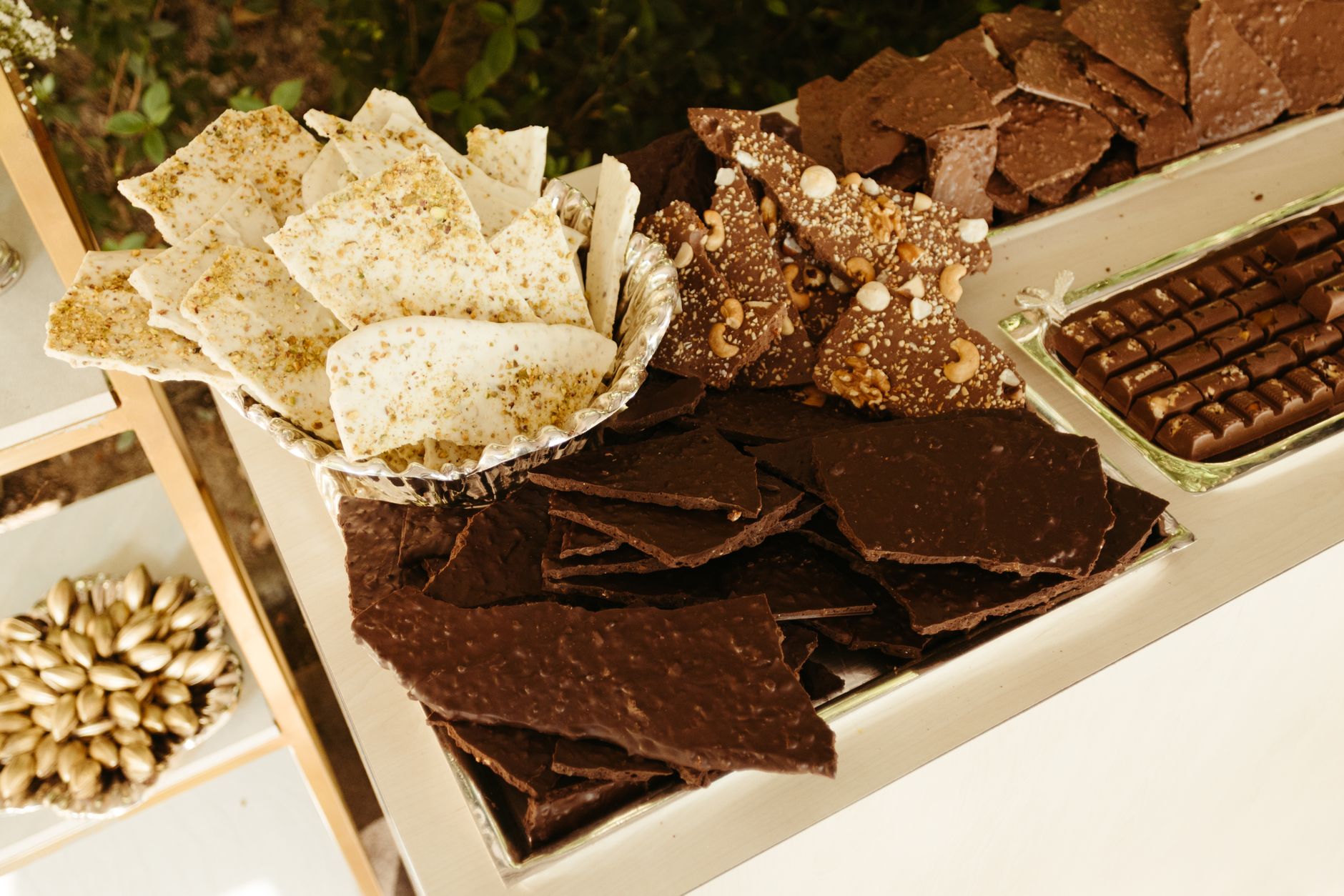
Almond bark is a type of confectionery that combines chocolate and almonds to create a sweet treat that is both rich in flavor and pleasing in texture. It’s often used in desserts, candies, and as a topping for various desserts. With its creamy chocolate coating and crunchy almond pieces, this delightful treat is popular for holiday gifting, entertaining, and personal indulgence.
This article will delve into what almond bark is, how it’s made, its uses, and various tips and tricks to help you enjoy this delectable confection in different ways.
What Is Almond Bark?
Almond bark is a candy coating that mimics the flavor of chocolate, typically infused with almond flavoring. It’s made primarily from vegetable oils, sweeteners, and flavorings, rather than cocoa butter and cocoa solids found in traditional chocolate. This combination delivers a smooth, sweet base that pairs exceptionally well with nuts, particularly almonds.
Ingredients in Almond Bark
The primary constituents of almond bark include:
- **Sugar**: Provides sweetness.
- **Vegetable Oil**: Used as a base for the bark, contributing to its smooth texture.
- **Almond Flavoring**: This gives the bark its characteristic almond taste.
- **Milk Solids** (optional): Adds creaminess and enhances flavor.
- **Coloring Agents** (optional): Sometimes added for visual appeal.
How Is Almond Bark Made?
Almond bark can be purchased pre-made at grocery stores or crafted at home for added customization. To make almond bark at home, follow these steps:
Homemade Almond Bark Recipe
This simple recipe yields approximately 12 ounces of almond bark, which can be easily multiplied depending on your needs.
Ingredients:
- 12 ounces of almond bark
- 1 cup of roasted almonds (chopped or whole)
- Optional: Sea salt for sprinkling
- Optional: Additional flavorings (vanilla extract or orange zest)
Equipment:
- Microwave-safe bowl or double boiler
- Parchment paper
- Spatula
- Baking sheet
Instructions:
- **Prepare your workspace**: Line a baking sheet with parchment paper to facilitate easy removal of the bark.
- **Melt the almond bark**: Break the almond bark into small pieces and place in a microwave-safe bowl. Heat in the microwave at 30-second intervals, stirring in between, until fully melted. Alternatively, use a double boiler, stirring until smooth.
- **Incorporate the almonds**: Once the chocolate is melted, quickly stir in the chopped roasted almonds, ensuring they are evenly coated.
- **Spread it out**: Pour the mixture onto the prepared baking sheet. Spread it out using a spatula to create an even layer about 1/4 inch thick.
- **Optional toppings**: If desired, sprinkle some sea salt or additional nuts on top of the melted bark for an extra flavor kick.
- **Cool and set**: Allow the bark to cool at room temperature or refrigerate for quicker setting. Once set, break into pieces and enjoy!
Flavor Profiles and Pairings
Almond bark’s creamy sweetness and nutty flavor make it a versatile ingredient in many desserts and snacks. Here are some popular flavor pairings and uses:
- **Chocolate and Nut Combination**: Combine almond bark with milk or dark chocolate for a decadent layered treat.
- **In Cookies**: Dip cookies in melted almond bark or use it as a drizzling topping.
- **Candy Bars**: Incorporate almond bark in homemade candy bars along with other nuts, dried fruits, or crunchy cereal.
- **Dessert Toppings**: Use chopped almond bark as a topping for ice cream or yogurt for an added crunch.
Practical Substitutions
If you’re looking to make almond bark but lack some ingredients, several practical substitutions can be made:
- **Chocolate Chips**: Substitute almond bark with chocolate chips for a similarly sweet treat, though this will alter the flavor slightly.
- **Coconut Oil**: Can be used in place of vegetable oils in the homemade recipe, providing a smoother texture.
- **Other Nuts**: Pecans or walnuts can substitute almonds, allowing for variations in flavor and texture.
Common Mistakes and Troubleshooting
While making almond bark is relatively simple, a few missteps can occur. Here’s how to troubleshoot common mistakes:
- **Seizing Chocolate**: If the almond bark becomes grainy or clumpy when melting, this is often due to moisture. Always ensure your bowls and utensils are completely dry before use.
- **Clumping**: When melting in the microwave, heat gradually and stir frequently to maintain smoothness.
Storage and Shelf Life
Proper storage is essential for maintaining the quality of almond bark. Follow these guidelines for best results:
- **Room Temperature**: Store almond bark in an airtight container at room temperature away from direct sunlight for up to two weeks.
- **Refrigeration**: For longer storage, you can refrigerate almond bark, where it can last up to a month. Ensure it is well-wrapped or in an airtight container to avoid absorbing odors.
- **Freezing**: Almond bark can be frozen for up to three months. Wrap it tightly in plastic wrap, then place it in an airtight container or bag. Thaw in the refrigerator before consumption.
Creative Uses of Almond Bark
Almond bark isn’t just for immediate snacking; it can be incorporated into various creative applications, making it a valuable addition to your dessert repertoire:
1. Almond Bark-Covered Snacks
Almond bark can coat pretzels, popcorn, or even fruits like strawberries and bananas. These snacks offer a sweet and salty combination that is hard to resist.
2. Holiday Treats
During festive seasons, create decorative packages of almond bark-covered treats to give as gifts. Add seasonal sprinkles for color and fun.
3. Incorporate into Trail Mix
Chop up pieces of almond bark and mix it into trail mix alongside different nuts, seeds, and dried fruit for a delicious energy snack.
Dietary Considerations and Variations
While almond bark is typically non-vegetarian due to the inclusion of dairy products, there are ways to adapt it for specific diets:
- **Vegan Option**: Use dairy-free chocolate and coconut oil to create a vegan-friendly version of almond bark.
- **Gluten-Free**: Almond bark is naturally gluten-free, making it suitable for those with gluten sensitivities.
- **Sugar-Free**: Substitute traditional sugar with sugar-free alternatives for a low-sugar version, though the texture may differ.
Conclusion
Almond bark is a delightful confection that serves a variety of culinary purposes. Whether used in desserts, as a candy, or a gifting item, it’s a versatile and delicious option. With the guidance provided, you’ll be well equipped to create your own almond bark, explore various flavor combinations, and incorporate it into your favorite recipes.
For a delightful holiday treat, try making a date bark recipe. If you’re looking for a healthy alternative, consider our almond flour bread recipe for baking. Both recipes support your journey in the kitchen while expanding your familiarity with almond-based delights.