
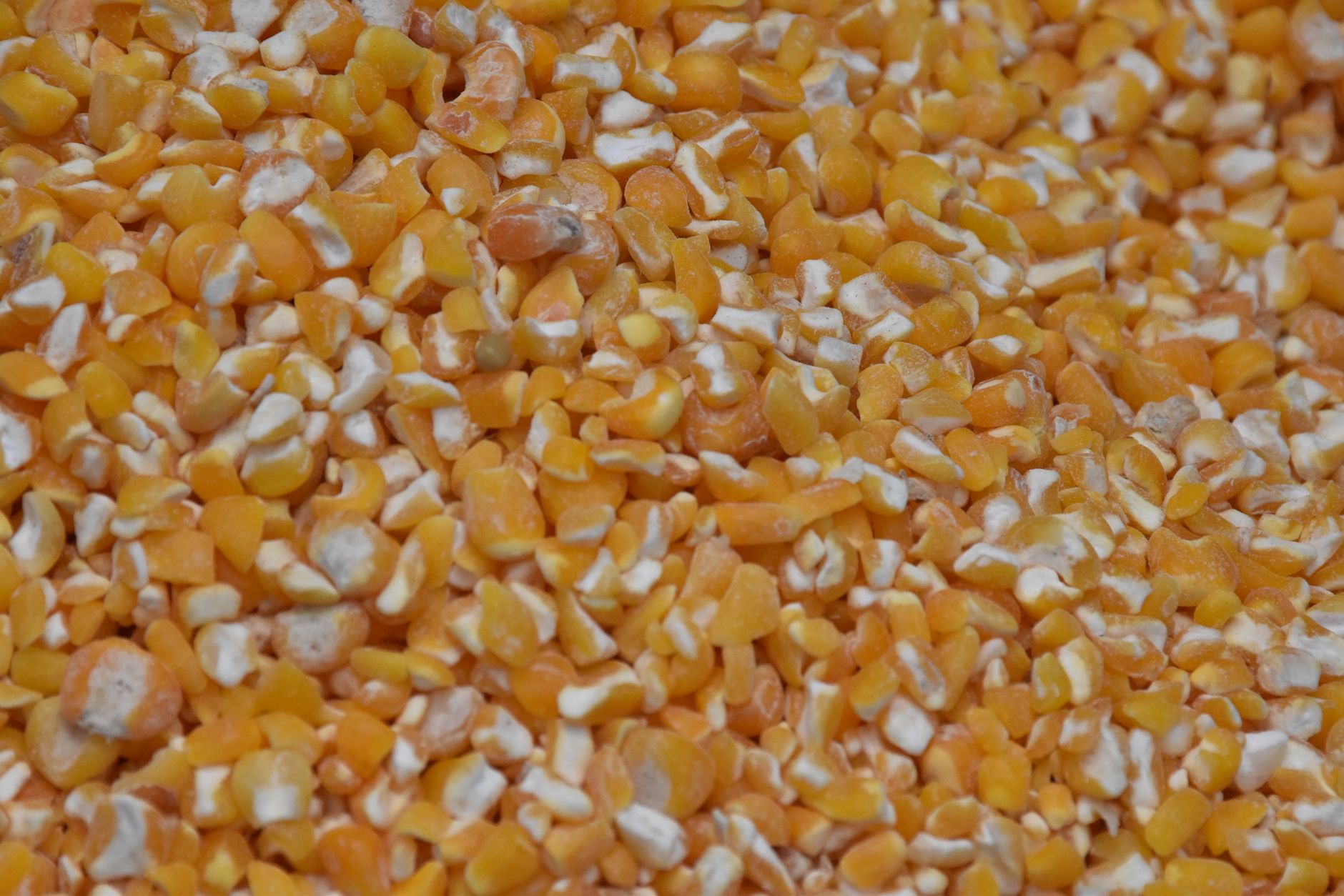
Corn is a staple food for many cultures around the world, known for its versatility and delightful sweetness. However, many people experience discomfort or note that corn seems to pass through their digestive system largely intact, leading to the question: why doesn’t corn digest? Understanding the reasons behind this can help us navigate our diets and possibly adjust our preparation methods for better digestion.
This article will explore the structure of corn, how it interacts with our digestive system, and tips for preparing corn that may aid in its digestion. We will also look into related cooking techniques and recipes that can enhance your experience with this fundamental ingredient.
Why Doesn’t Corn Digest?
Corn is primarily composed of cellulose, a type of fiber that humans cannot digest. While our digestive enzymes can break down many carbohydrates, proteins, and fats, cellulose remains largely intact. Some individuals may also struggle with digesting corn due to the presence of certain antinutrients.
The Composition of Corn
Corn, or maize, is a grain that consists of three primary components: the endosperm, germ, and pericarp (hull). Each of these plays a role in its nutritional profile and how well it is digested.
Endosperm
The endosperm provides energy in the form of carbohydrates. It is mostly starch, which our bodies can digest effectively. However, without adequate preparation, the tough outer hull can impede access to this starch.
Germ
The germ is the nutrient-dense part of the kernel that can sprout into a new corn plant. It contains fats, vitamins, and minerals. While it contributes to overall nutrition, the germ itself does not significantly affect digestibility.
Pericarp
The pericarp, or hull, is a fibrous outer layer rich in cellulose. This part of corn is what makes it challenging for human digestion. Since cellulose is not absorbable, the hull often remains undigested and can be visible in stool.
The Role of Fiber in Digestion
Fiber is an essential part of a healthy diet, aiding digestion by adding bulk to stool and promoting regular bowel movements. However, not all fibers behave the same way. Soluble fibers dissolve in water and can be fermented by bacteria in the gut, while insoluble fibers, like cellulose, do not dissolve and often pass through the digestive system intact.
Health Benefits of Fiber
Despite the issue of undigested corn, fiber plays a crucial role in gut health. It contributes to feelings of fullness, can lower cholesterol levels, and helps regulate blood sugar levels.
Antinutrients in Corn
In addition to cellulose, corn contains antinutrients that can impact digestion. These are natural compounds that can inhibit the absorption of essential nutrients. The two main antinutrients found in corn are phytates and lectins. Understanding these may help you mitigate their effects.
Phytates
Phytates are found in the bran and germ of grains, including corn. They can bind to minerals such as iron, zinc, and calcium, making them less absorbable. Soaking or fermenting corn can reduce phytate levels, making the nutrients more bioavailable.
Lectins
Lectins are proteins that can interfere with the absorption of nutrients and cause digestive distress in some people. Cooking corn thoroughly can deactivate many of these proteins, making it easier to digest.
Cooking Techniques to Aid Digestion
Preparing corn correctly can improve its digestibility and maximize its nutritional benefits. Here are some effective methods to consider:
Soaking
Soaking corn in water before cooking can begin the breakdown of antinutrients. This method is particularly effective for dry corn and can also help soften kernels, leading to better digestibility.
Cooking
Cooking corn, whether by boiling, steaming, roasting, or grilling, plays a significant role in making it more digestible. The high heat helps break down the cellulose in the pericarp, allowing for better access to sugars in the endosperm.
Fermentation
Fermentation is another powerful technique that can enhance the digestibility of corn. Traditional recipes such as masa for tortillas utilize fermentation to reduce phytate levels and improve nutrient absorption.
Popular Corn Dishes and Their Benefits
There are countless ways to enjoy corn, each with unique flavors and textures. Consider these popular dishes that incorporate cooking methods to optimize digestibility:
Mexican Street Corn (Elote)
This popular dish features grilled corn on the cob, smeared with a mixture of mayonnaise, lime, and cotija cheese, and topped with chili powder. The grilling process softens the corn while the spices and lime aid digestion.
Corn Pone
Corn pone is a traditional Southern dish made from cornmeal, water, and salt. Baking it creates a crusty exterior while maintaining a soft interior, allowing for easier nibbling and digestion. For a basic corn pone recipe, follow the simple instructions provided.
Corn Soufflé
This dish combines corn, eggs, and a few other ingredients for a fluffy and enjoyable texture. The cooking process, especially the baking, helps break down the cellulose, making the corn easier to digest. Check out a delicious corn soufflé recipe to try at home.
Common Mistakes When Cooking Corn
While cooking corn seems straightforward, several common mistakes can hinder digestion:
- Not cooking corn thoroughly: Undercooked corn can retain its tough outer layer, making it harder to digest.
- Skipping soaking: For dry corn products, neglecting to soak them ahead of cooking can result in poor digestion.
- Ignoring the husk: When grilling corn on the cob, many people forget to remove the husk. This can affect cooking time and overall flavor.
Storage and Freshness of Corn
Storing corn correctly maintains its sweetness and quality. Fresh corn on the cob should be refrigerated and used within a few days for the best taste. If you’re not planning to use it right away, consider freezing it:
- Blanch fresh corn in boiling water for 3-5 minutes.
- Cool it in an ice bath, then cut the kernels off the cob.
- Store the kernels in airtight bags and freeze them for later use.
Digestive Alternatives to Corn
If you or someone in your family struggles with digesting corn, there are several alternatives to consider, which can offer similar textures and flavors:
- Quinoa: A gluten-free grain that is high in protein and easy on the digestive system.
- Rice: A versatile grain that is easier to digest and can be used in a variety of dishes.
- Potatoes: They can provide similar sweetness and starchiness while being more digestible for some individuals.
When to Consult a Doctor
If you consistently experience digestive discomfort after eating corn or any other food, it may be wise to consult with a healthcare provider or a registered dietitian. They can offer personalized advice and help assess underlying issues that may affect digestion.
Summary
Corn is a delicious, versatile ingredient loved by many but poses challenges in digestion due to its fibrous hull and antinutrients. By employing proper cooking methods like soaking, cooking, and fermenting, you can enhance its digestibility. Experimenting with recipes, such as corn pone and corn soufflé, can also lead to delightful dishes while providing nutrition. Keep in mind the common cooking mistakes and engage with alternative grains if needed.
For more delicious recipes and cooking tips, explore related articles that might interest you! Check out our corn pone recipe and corn soufflé recipe for delightful dishes that allow you to enjoy corn in a digestible form.