
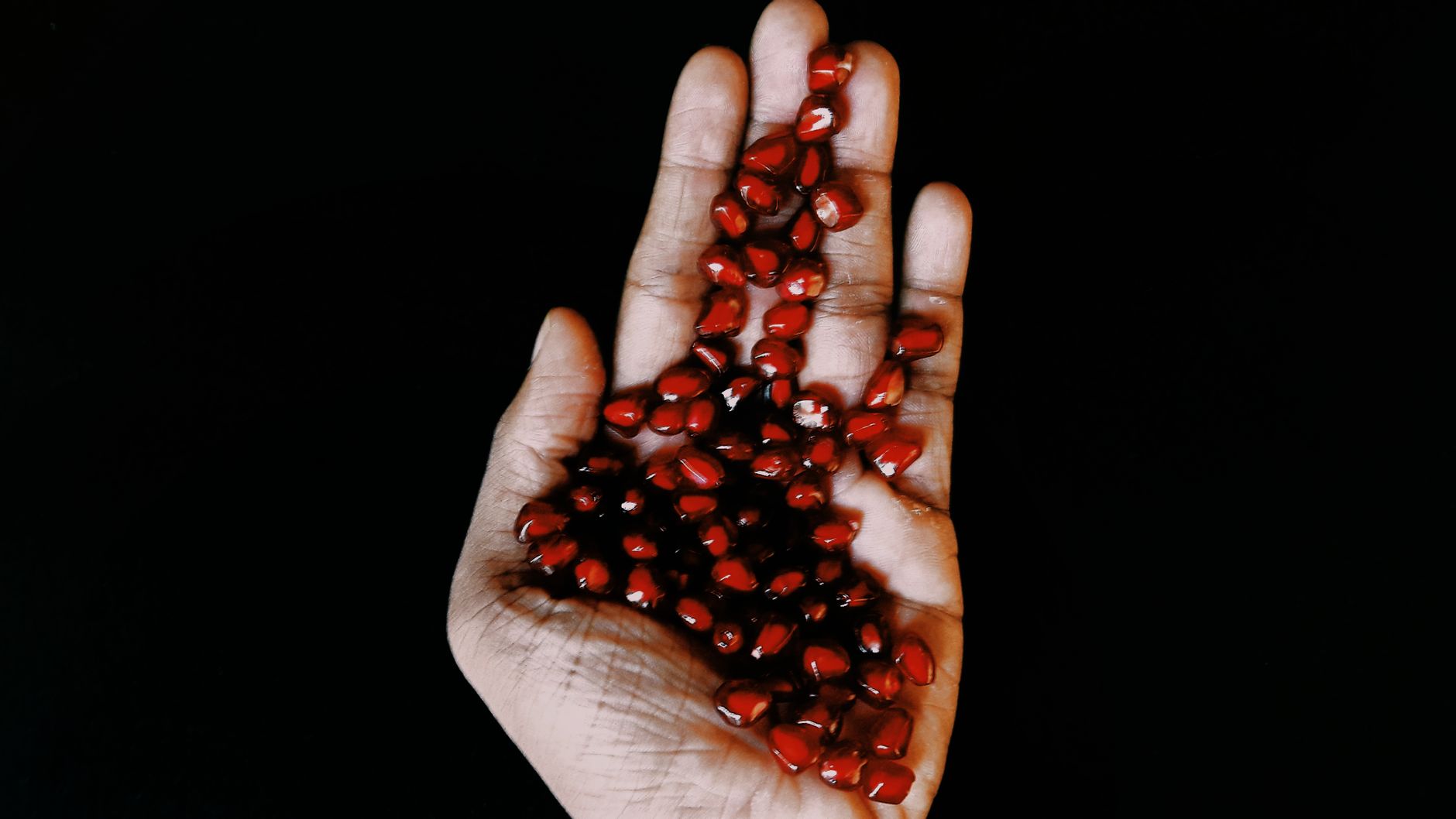
Pomegranates are often celebrated for their vibrant color and unique appearance, but the question remains: what does pomegranate taste like? This intriguing fruit, with its jewel-like arils, offers a flavor profile that is both distinctive and versatile. It’s sweet, tart, and refreshing, making it an exciting addition to both savory and sweet dishes.
Understanding the taste of pomegranate can help you make the most of this exotic fruit in your cooking. In this article, we delve into the flavor characteristics of pomegranates, their culinary applications, and how you can incorporate them into your meals.
What Does Pomegranate Taste Like?
Pomegranates have a unique taste that is often described as sweet and tangy. The juicy arils, which are the edible seeds, burst in your mouth with a refreshing flavor reminiscent of berries, but with a more pronounced tartness. Depending on the variety and ripeness, pomegranates can range from pleasantly sweet to distinctly sour.
The outer skin of the pomegranate is thick and inedible, while the inner arils contain juice and seeds, offering a satisfying crunch. The flavor can also vary based on the season and ripeness, with fully ripe pomegranates being sweeter and less acidic than those harvested prematurely.
Exploring the Flavor Profile of Pomegranate
The taste of pomegranate can be broken down into several components:
- Sweetness: The sweetness comes mainly from natural sugars, which can vary in intensity based on the fruit’s ripeness. Ripe pomegranates are brighter red and yield a sweeter flavor.
- Tartness: The tartness adds complexity to the flavor profile. This sharpness is especially noticeable in less ripe fruits, contributing to a refreshing taste that can brighten dishes.
- Juiciness: Pomegranate arils are filled with juice, giving them a succulent quality that enhances the overall eating experience. The burst of juice when biting into the aril adds a playful textural element.
- Subtle Earthiness: In addition to sweetness and tartness, pomegranates may have a mild earthiness, reminiscent of other fruits like cranberries or cherries, which can complement various dishes.
Culinary Uses of Pomegranate
With its delightful flavor, pomegranate can be used in various culinary applications that highlight its unique taste. Here are some popular ways to incorporate pomegranate into your cooking:
Fresh Fruit
One of the simplest ways to enjoy pomegranate is to eat it fresh. The juicy arils can be scooped out and enjoyed as a snack or added to salads, providing a delicious contrast to leafy greens.
Juice and Beverages
Pomegranate juice is another popular way to enjoy the fruit’s flavor. It can be sipped on its own, mixed into smoothies, or used as a base for cocktails. The tartness of pomegranate juice can also enhance the flavor of sauces and salad dressings.
Salads
Pomegranate seeds serve as a vibrant garnish or main ingredient in salads. The sweetness and tartness of the arils pair well with earthy ingredients like quinoa, roasted vegetables, or feta cheese, adding a burst of flavor and color.
Desserts
In desserts, pomegranate seeds can be sprinkled on top of yogurt, cakes, and ice creams. They offer a beautiful presentation and a refreshing contrast to sweet flavors.
Cooking and Baking
Pomegranate can also be incorporated into sauces, marinades, and glazes for meats and vegetables. The natural sweetness and acidity of the juice help to balance richer flavors, making it an excellent addition to roasted dishes.
How to Select and Store Pomegranates
When selecting a pomegranate, look for fruits that are firm and heavy for their size. Skin imperfections are common, but avoid fruits with deep cuts or signs of spoilage. A ripe pomegranate should have a rich, dark color and be slightly pliable. Here’s how to store them:
- At Room Temperature: Pomegranates can be kept at room temperature for up to a week if you plan to use them soon.
- In the Refrigerator: For longer storage, place pomegranates in the refrigerator’s crisper drawer. They can last for up to two months when stored this way.
- Seed Storage: If you only use the arils, you can store them in an airtight container in the refrigerator for about five days.
- Freezing: Pomegranate seeds can be frozen for up to a year. Simply spread them on a baking sheet to freeze individually before transferring them to an airtight container.
Practical Tips for Using Pomegranate
If you’re new to working with pomegranates, here are some practical tips to maximize their potential:
- How to Cut a Pomegranate: To easily extract the arils, score the skin into sections and break it apart over a bowl. The arils will drop into the bowl, and this method minimizes mess.
- Use Juice Wisely: Be mindful of the tartness when using pomegranate juice in recipes; it can overpower other flavors. Start with small amounts and adjust according to taste.
- Add Texture: Combine pomegranate arils with ingredients that provide a contrast in texture, such as nuts or crunchy vegetables, to create a more interesting dish.
- Pairing Flavors: Pomegranate works well with a range of flavors including citrus, herbs like mint, and spices like cinnamon. Experimenting with these pairings can elevate your dishes.
Common Mistakes When Using Pomegranates
While pomegranates can elevate your cooking, there are a few common mistakes to avoid:
- Ignoring Ripeness: Under ripe pomegranates can be overly tart and unpalatable. Always choose fruits that feel heavy and have vibrant skins.
- Overdoing It: Due to their strong flavor, it’s easy to overpower a dish with too much pomegranate. Use it judiciously, especially in sauces or dressings.
- Pearling Techniques: People often struggle with removing seeds. Practice the technique of submerging the pomegranate in water to help separate the arils more easily while keeping your kitchen clean.
Exploring Recipes Featuring Pomegranates
Incorporating pomegranates in recipes can add unexpected flavors and colors. Below are a few popular ideas to inspire your culinary creativity:
Pomegranate and Quinoa Salad
This refreshing salad combines quinoa, pomegranate seeds, cucumbers, red onion, and a lemon vinaigrette for a light yet satisfying dish.
Pomegranate Glazed Chicken
A savory-sweet chicken dish featuring pomegranate juice as a glaze, perfect for roasting or grilling to create a crispy exterior.
Pomegranate Yogurt Parfait
A simple yet elegant dessert made with layers of yogurt, granola, and pomegranate seeds, offering a perfect balance of creamy and crunchy textures.
Pomegranate as an Ingredient Substitute
Pomegranates can sometimes be used as substitutes in various recipes, particularly to introduce sweetness or acidity. Here are alternatives to consider:
- Pomegranate Juice for Other Juices: Pomegranate juice can substitute for cranberry or raspberry juice in cocktails or sauces, providing a similar tartness.
- Pomegranate Seeds for Other Fruits: In salads or desserts, try using pomegranate seeds instead of berries or citrus for added texture and a unique flavor.
- Pomegranate Molasses as a Flavor Enhancer: Pomegranate molasses, a concentrated syrup, can be used instead of balsamic vinegar to add depth to dressings and marinades.
Health Benefits of Pomegranates
While we focus on the flavor and culinary uses of pomegranates, they are also known for various health benefits. Rich in antioxidants, vitamins, and minerals, pomegranates contribute to a healthy diet. They are often associated with boosting heart health and reducing inflammation.
Conclusion
Pomegranates offer a delightful blend of sweetness, tartness, and juiciness that can elevate a variety of dishes. Through experimenting with fresh arils or juice, you can incorporate their remarkable flavor into both savory and sweet recipes. Embrace the unique characteristics of pomegranates and allow your ingenuity in the kitchen to shine.
Explore related recipes and tips to further enhance your cooking with fruits: learn about the benefits of pomegranate juice or discover more about the unique taste of pomegranate.