
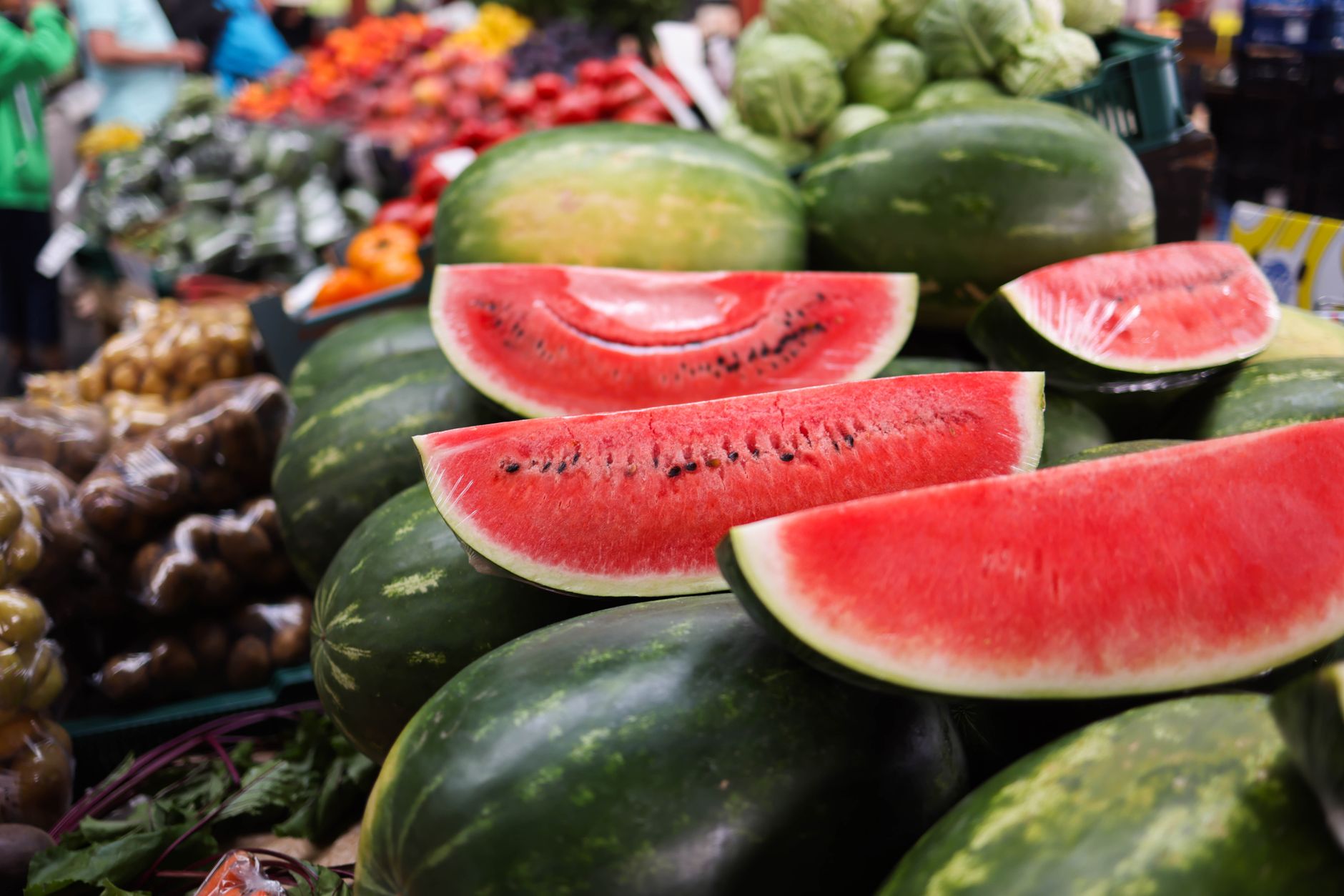
Watermelon is a beloved summer fruit known for its refreshing sweetness and hydrating properties. As the temperatures rise, many people enjoy indulging in this delicious treat. However, some may wonder about its sugar content and whether it should be a concern for their diet. Understanding the nutritional value of watermelon can help you make informed choices about incorporating it into your meals.
This article will explore the sugar content of watermelon, what that means for your health, and how it fits into various dietary preferences and meal planning strategies. We’ll also cover practical aspects like serving sizes, health benefits, and potential alternatives for those monitoring their sugar intake.
Is Watermelon High In Sugar?
No, watermelon is not considered high in sugar compared to many other fruits. A typical serving of watermelon—approximately 1 cup or 154 grams—contains about 9 to 10 grams of sugar. This relatively low sugar content, combined with its high water content (around 90%), makes watermelon a refreshing option that can satisfy sweet cravings without excessive caloric intake.
Watermelon’s Nutritional Profile
To understand watermelon’s sugar content better, it’s essential to look at its entire nutritional profile. Here’s how it breaks down per 1 cup (154 grams) of diced watermelon:
- Calories: 46
- Water: 139 grams
- Total Carbohydrates: 11.6 grams
- Dietary Fiber: 0.6 grams
- Sugars: 9.4 grams
- Protein: 0.9 grams
- Fat: 0.2 grams
- Vitamin C: 21% of the Daily Value (DV)
- Vitamin A: 18% of the DV
- Potassium: 5% of the DV
With low calories and sugar content, watermelon stands out as a healthy option particularly during hot months.
Understanding Sugar Content in Fruits
When examining the sugar in fruits, it is vital to differentiate between added sugars and natural sugars. Watermelon contains fructose, a natural sugar, which should be less concerning than processed sugars typically found in sweets and desserts.
Moreover, fiber in whole fruits—including watermelon—helps slow down sugar absorption, leading to a more gradual increase in blood sugar levels. This means eating watermelon won’t spike your blood sugar like candy or sugary drinks might.
Watermelon and Different Dietary Preferences
Watermelon can fit seamlessly into various dietary plans, making it appealing for many individuals:
- Keto Diet: The ketogenic diet is all about low carbs and high fats. Watermelon can be enjoyed in moderation due to its higher water and lower carb content, but portion control is key.
- Paleo Diet: Watermelon is considered a whole food and aligns well with the paleo guidelines, making it an excellent natural snack.
- Vegan Diet: As a plant-based choice, watermelon is compatible with vegan lifestyles and offers essential vitamins while being low in calories.
- Diabetic Diet: Those with diabetes often monitor carbohydrate intake carefully. Watermelon can be consumed in moderation as part of a balanced diet but should be accounted for in meal planning.
Health Benefits of Watermelon
In addition to its low sugar content, watermelon offers several health benefits:
- Hydration: With about 90% water, it’s one of the best fruits to help keep you hydrated.
- Antioxidants: Watermelon is rich in antioxidants such as lycopene, which may lower the risk of chronic diseases and improve heart health.
- Anti-Inflammatory Properties: It contains compounds that may reduce inflammation in the body.
- Skin Health: The vitamins A and C in watermelon can contribute to healthy skin.
Practical Serving Suggestions
Incorporating watermelon into your diet can be both delicious and fun. Here are some practical ways to enjoy this juicy fruit:
- Simple Bites: Cut watermelon into cubes and serve as a refreshing snack.
- Salads: Combine diced watermelon with feta cheese, mint, and a drizzle of olive oil for a savory salad.
- Smoothies: Blend watermelon with yogurt, spinach, and a banana for a nutritious smoothie.
- Sorbet: Puree watermelon and freeze it to make a simple sorbet.
Cooking and Storage Tips
Watermelon is versatile and can be enjoyed in various forms. Here are some cooking and storage tips:
Cooking Tips
While watermelon is commonly consumed raw, it can also be grilled or incorporated into salsas for added flavor. When grilling, cut watermelon into thick slices and brush with olive oil before placing on the grill for a few minutes.
Storage Tips
Keep whole watermelon at room temperature until ready to cut. Once sliced, store the pieces in an airtight container in the refrigerator for up to three days. It is also possible to freeze watermelon, which holds up well when diced. To learn how to freeze watermelon properly, visit this link.
Common Mistakes and Troubleshooting
Even with healthy foods like watermelon, there are some common pitfalls to avoid:
- Overindulgence: Although watermelon is healthy, moderation is crucial. Overeating can lead to unnecessary sugar and calorie intake.
- Neglecting Portion Sizes: Always measure your serving sizes. A standard serving is about 1 cup.
Substitutions and Alternatives
If you’re looking to explore alternatives to watermelon, consider these fruits that are still refreshing but might have different levels of sweetness and sugar:
- Cucumber: Has a similar texture and is very low in sugar.
- Strawberries: Offer a sweet flavor with slightly more sugar but high in fiber.
- Honeydew Melon: Similar in sweetness level but with a different flavor profile.
Meal Planning with Watermelon
Incorporating watermelon into your meal planning can be both practical and enjoyable. Here’s how to use it effectively:
- Snack Planning: Include watermelon as a healthy snack option throughout the week.
- Refreshing Breakfast: Pair watermelon with Greek yogurt and granola for a balanced meal.
- Meal Prepping: Prepare watermelon salad in advance for quick lunch options.
Conclusion
Watermelon is a hydrating, low-sugar fruit that offers numerous health benefits and versatility in the kitchen. Whether you enjoy it as a refreshing snack, in salads, or blended into smoothies, its sweet flavor can enhance your meals without adding excessive sugar. Remember to consume it in moderation as part of a balanced diet, and feel free to explore creative recipes that highlight this summer favorite.
For more food guides and tips on other ingredients, explore our resources on freezing foods and creative meal ideas.