
After a tooth extraction, it’s essential to choose the right foods to promote healing and avoid complications. Understanding what you can eat helps ease discomfort, encourages recovery, and ensures you maintain proper nutrition during this period.
This article will guide you through suitable foods and offer tips on meal preparation, so you can nourish your body while you heal. Following a tooth extraction, you’ll want to focus on soft, nutrient-dense foods that require minimal chewing.
What Can You Eat After Tooth Extraction?
After a tooth extraction, you can eat soft foods that are easy on your gums and teeth. Good options include mashed potatoes, yogurt, smoothies, oatmeal, and soups. It’s crucial to avoid hard, crunchy, or spicy foods that can irritate the extraction site.
Foods to Eat
Following a tooth extraction, prioritizing specific food types will aid in your recovery. Here are some ideal choices to consider:
Soft Foods
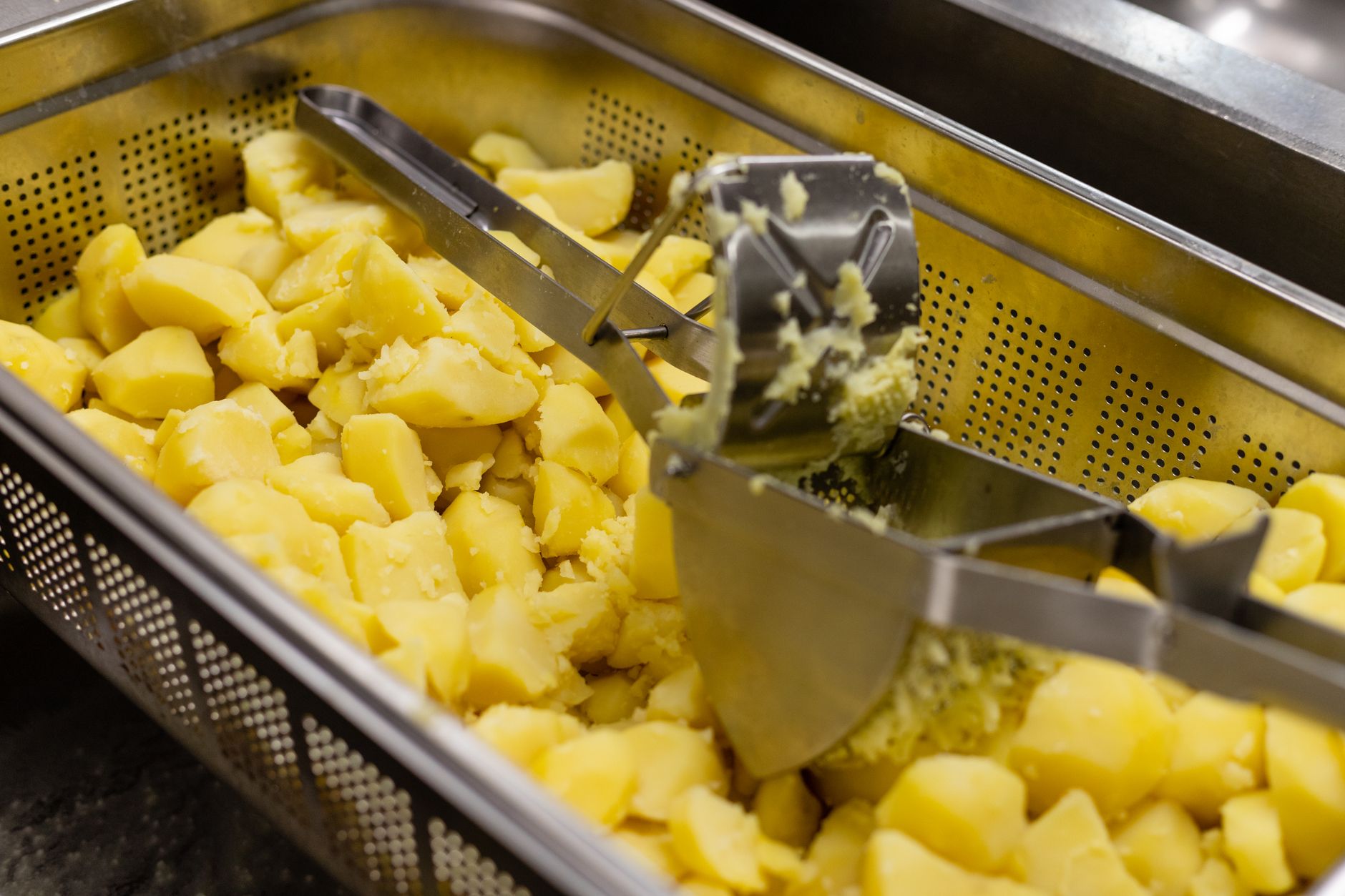
- Mashed Potatoes: Creamy mashed potatoes can be deliciously comforting, rich in carbohydrates, and an excellent source of energy.
- Applesauce: This smooth fruit puree is easy to swallow and provides dietary fiber and vitamins.
- Yogurt: High in protein and probiotics, yogurt can soothe inflammation and is gentle on your mouth.
- Pudding: A sweet treat that is smooth and easy to eat, pudding is a great way to satisfy dessert cravings.
- Scrambled Eggs: Soft and protein-rich, scrambled eggs are quick to prepare and can be a fantastic addition to your diet post-extraction.
- Oatmeal: A warm, soft food that can be customized with bananas, honey, or cinnamon for added flavor.
Soups and Broths
Warm soups and broths can be soothing and nutritious. They provide hydration and can contain various minerals and vitamins depending on their ingredients.
- Chicken Broth: Rich in flavor, it can also help in recovery by offering essential nutrients.
- Pureed Vegetable Soups: Blended soups made from vegetables like carrots, butternut squash, or sweet potatoes can be nutritious and easy to digest.
Smoothies
A smoothie can be an ideal meal replacement, combining multiple nutrients in a soft, drinkable form. Remember to skip any seeds or hard add-ins.
- Banana and Spinach Smoothie: Blend ripe bananas, fresh spinach, yogurt, and a splash of almond milk for a nutrient-packed smoothie.
- Berry Smoothie: Use blended strawberries, blueberries, and yogurt to create a deliciously sweet treat.
Dairy Products
Dairy products are excellent sources of protein and calcium, essential for healing your body post-extraction.
- Cottage Cheese: Creamy cottage cheese can be eaten plain or mixed with applesauce or fruit puree.
- Cheese: Soft cheeses like ricotta or cream cheese can be easy to eat and provide necessary energy.
Hydration is Key
Staying hydrated is critical, especially after surgery. Here are some recommended drinks:
- Water: Always the best option to stay hydrated.
- Herbal Teas: Soothing warm teas, without caffeine, can help comfort an aching mouth.
- Electrolyte Drinks: Low-sugar electrolyte beverages can be beneficial for rehydration.
Foods to Avoid
In the same way, it’s essential to know what foods to avoid after an extraction. Certain foods can irritate the site or impact healing negatively.
- Crunchy Foods: Chips, nuts, or hard vegetables can cause pain when chewing.
- Spicy Foods: They can lead to irritation and discomfort.
- Sticky Foods: Items like caramel or taffy can become lodged in the extraction site and should be avoided.
- Hot Foods and Beverages: Steer clear of anything that could cause burns or excessive warmth in the mouth.
- Alcohol: Alcoholic beverages can irritate healing gums and should be avoided.
Meal Planning After Tooth Extraction
Meal planning can help simplify your recovery journey, ensuring you have nutritious options available. Here are some practical tips:
Batch Cooking
Consider preparing meals ahead of time and freezing them for convenience:
- Make large batches of pureed soups. Once cooled, portion them into containers for freezing.
- Prepare smoothie bags by portioning fruits and greens in a freezer bag, which you can blend with yogurt when needed.
- Cook and mash a large amount of potatoes to refrigerate or freeze, reheating as needed.
Balanced Meals
Focus on combining food types to make each meal balanced:
- A meal could include scrambled eggs, smooth oatmeal, and yogurt.
- Blend a protein-rich smoothie with fruits and yogurt for breakfast or a snack.
- Make a pureed vegetable soup with chicken broth as your base, providing nutrients and hydration.
Practical Tips for Eating After Tooth Extraction
Making smart choices about how and when to eat can significantly impact your recovery process. Here are several practical tips:
Use a Straw with Caution
While drinking through a straw can be convenient, it can also create suction that irritates the extraction site. It’s best to avoid straws in the first few days post-surgery.
Chew on the Opposite Side
When you do eat, focus on chewing on the side opposite the extraction site to prevent discomfort and irritation.
Temperature Matters
Avoid hot foods for the first few days to prevent any burning sensations. Opt for lukewarm or cool meals that are easier to consume without discomfort.
Common Mistakes to Avoid
There are some common mistakes individuals make after a tooth extraction, and avoiding these can lead to a smoother healing process:
Ignoring Pain Signals
If you’re experiencing pain when eating, reconsider what you’re attempting to consume. There is no reason to power through discomfort.
Skipping Hydration
Focusing solely on solid foods can lead to dehydration. Always prioritize water intake throughout the day to stay well-hydrated.
Not Following Dentist Recommendations
Always adhere to your dentist’s dietary recommendations, as they understand your specific needs post-extraction.
Meal Prep Ideas Following Tooth Extraction
Several simple meal preparations can help you stay nourished without putting stress on your healing gums:
Dinner Options
- Vegetable Puree Soup: Roast your choice of vegetables and blend them with broth for a warm and nourishing meal.
- Egg and Potato Mash: Mix soft scrambled eggs with mashed potatoes and some cheese for added flavor.
Breakfast Suggestions
- Fruit Smoothie Bowl: Top a blended smoothie with soft fruit slices for texture without the need for chewing.
- Oatmeal with Banana: Cook soft oats and mix in ripe bananas for natural sweetness and nutrition.
Snack Ideas
- Yogurt with Pureed Fruits: Blend soft fruits and mix them with yogurt for an easy snack.
- Cottage Cheese with Applesauce: Combine these two for a protein-packed treat.
Storage and Reheating Guidance
Proper food storage is key to preventing waste while ensuring you have safe, easy meals available. Here is how to safely store and reheat your meals:
Freezing and Refrigerating
To keep your prepared meals safe and fresh:
- Cool dishes completely before refrigerating or freezing.
- Store items in air-tight containers to prevent freezer burn or spoilage.
- Label packages with the date so you can track how long they have been stored.
Reheating Tips
When reheating food, ensure it reaches a safe temperature before consuming:
- For soups and stews, heat on the stove over medium heat, stirring frequently until steaming hot.
- Use a microwave for quick reheating, ensuring the food is hot throughout, stirring regularly.
Conclusion
Choosing the right foods after a tooth extraction is crucial for your healing. Focus on soft, nutritious options and plan meals ahead of time for easier recovery. Additionally, stay hydrated and follow your dentist’s recommendations to promote healing and comfort.
For some delicious meal ideas, consider trying chia pudding made with creamy coconut milk or a scrumptious cottage cheese mousse that can add variety to your post-extraction meals.