
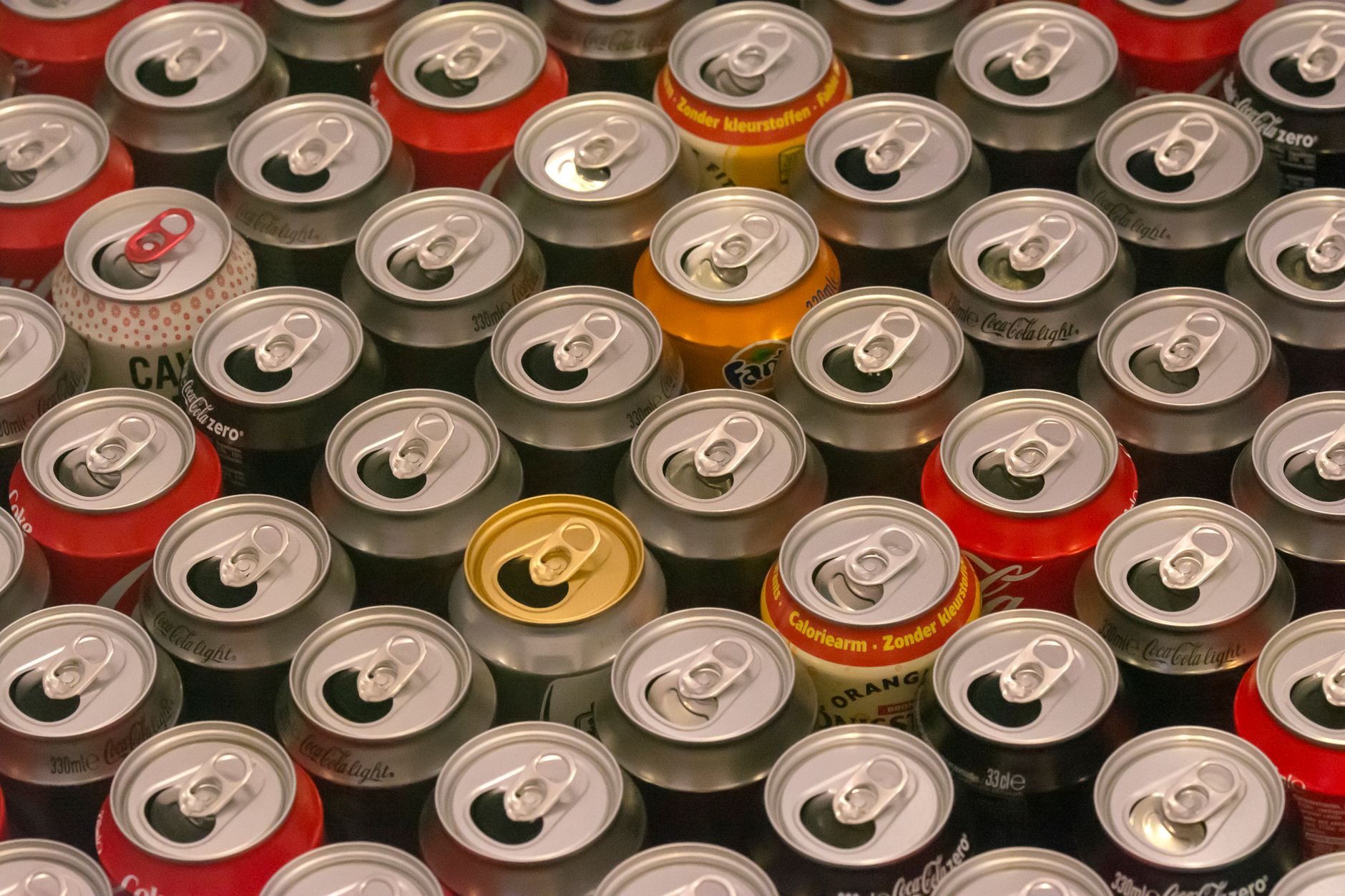
Diet Coke, a popular sugar-free soft drink, has been a staple in many households for decades. With its refreshing taste, it’s often marketed as a healthier alternative to regular soda. But how healthy is Diet Coke really? This article delves into its ingredients, health implications, and whether it fits into a balanced diet.
As consumers become increasingly health-conscious, many are turning to diet sodas with the hope of making smarter beverage choices. In this article, we will explore the composition of Diet Coke, its potential health effects, and tips for making informed choices.
Is Diet Coke Healthy?
The healthiness of Diet Coke largely depends on individual dietary needs and preferences. While it contains no sugar and fewer calories than regular soda, concerns remain about artificial sweeteners and their long-term effects. Moderation is key when considering if Diet Coke can be a part of a balanced diet.
Understanding Diet Coke’s Ingredients
To assess the health aspects of Diet Coke, it’s essential to understand its ingredients:
- Carbonated Water: The primary ingredient, providing the fizzy texture.
- Caramel Color: Used for coloring, it’s generally recognized as safe, but some artificial caramel colors may contain harmful compounds.
- Phosphoric Acid: This gives Diet Coke its tangy flavor and works as a preservative. High levels may contribute to dental issues and impact bone health over time.
- Artificial Sweeteners: Diet Coke contains aspartame and/or ace-K, which provide sweetness without calories. Their safety, especially for long-term use, is debated.
- Caffeine: Provides a slight boost in energy, but excess consumption may lead to anxiety or sleep disturbances.
Caloric Content and Weight Management
Diet Coke contains zero calories, which can be attractive for those monitoring caloric intake. Many people believe that replacing sugar-laden drinks with zero-calorie alternatives can aid in weight loss. However, research is mixed on whether diet sodas truly contribute to weight loss or could possibly lead to weight gain over time due to increased cravings for sweet tastes.
The Role of Artificial Sweeteners
Health Effects of Aspartame
Aspartame is one of the most studied artificial sweeteners, with the FDA deeming it safe for consumption. However, some studies and anecdotal evidence suggest it might be linked to various health concerns, including headaches and digestive issues. Sensitivity to aspartame varies among individuals.
Health Effects of Acesulfame Potassium
Acesulfame potassium (ace-K) is another sweetener used in Diet Coke that has undergone safety evaluations by regulatory agencies. While considered safe, some research suggests potential impacts on glucose metabolism and appetite regulation.
Potential Health Risks
While Diet Coke is often viewed as a healthier option, it’s wise to consider potential risks associated with regular consumption:
- Bone Health: Phosphoric acid may lead to lower bone density if consumed excessively.
- Dental Health: The acidic nature of Diet Coke can erode tooth enamel over time.
- Weight Management: Some studies indicate that artificial sweeteners might not promote weight loss and could lead to increased cravings for sugary foods.
- Metabolic Effects: There are suggestions that artificial sweeteners could adversely affect glucose metabolism, which is a concern for those managing blood sugar levels.
Psychological Aspects of Consumption
Sweetness Cravings
Consuming artificially sweetened products can lead to increased cravings for sweetness in general. This might cause individuals to seek out more sweet foods, undermining weight management goals.
Relationship with Regular Soda
Switching from regular soda to Diet Coke can create a psychological association with sweet beverages, making it harder to reduce overall sugar intake in the diet.
Incorporating Diet Coke into Your Diet
Moderation is crucial when considering incorporating Diet Coke into your diet. Here are some practical tips for responsible consumption:
- Limit intake to a few servings per week to minimize potential adverse effects.
- Pair Diet Coke with nutrient-dense meals to avoid any urge to reach for more processed foods.
- Stay informed about personal reactions to artificial sweeteners and adjust intake accordingly.
- Consider alternatives to Diet Coke, such as flavored water or herbal tea, to reduce consumption of both sugar and artificial sweeteners.
Alternatives to Diet Coke
If you enjoy the fizzy refreshment of Diet Coke but wish to avoid potential health risks, here are some alternatives to consider:
- Flavored Sparkling Water: Offers fizz without significant calories or artificial sweeteners.
- Herbal Teas: Can provide a variety of flavors and can be enjoyed hot or cold.
- Coconut Water: Naturally sweet and hydrating, it contains electrolytes as well.
- Infused Water: Adding fruits, herbs, or vegetables to water can create delicious and healthy flavor combinations.
Common Myths About Diet Soda
Diet Coke has been the subject of numerous myths. Here’s a look at some popular ones:
Myth 1: Diet Soda Causes Weight Gain
Many assume that diet sodas lead to weight gain, but research indicates that this might not be directly caused by the soda itself but rather associated behavioral changes. Individual responses vary.
Myth 2: Artificial Sweeteners are Damaging
While there are concerns, most regulatory bodies, including the FDA, recognize the safety of approved artificial sweeteners when consumed within established guidelines. The reactions can differ from one person to another.
Myth 3: Diet Coke is More Hydrating than Water
While Diet Coke contains water, caffeine can act as a mild diuretic, meaning it could contribute to dehydration if consumed in excessive amounts compared to water.
Healthier Beverage Choices
For those looking to reduce soda consumption, numerous healthy beverage options can be incorporated into a daily routine:
- Water: The best choice for hydration.
- Unsweetened Tea: Offers antioxidants without calories.
- Homemade Smoothies: These allow control over ingredients, providing nutrients and flavor.
Conclusion
Diet Coke can be enjoyed as part of an overall balanced diet, but it’s essential to keep moderation in mind. The potential health risks associated with artificial sweeteners, along with the drink’s acidic properties, suggest it should not be your go-to beverage. Staying informed and making mindful choices will contribute to a healthier lifestyle.
For more insights on soft drink health effects, you might also want to read about Is Diet Soda Healthy? or learn about caffeine in drinks with Does Diet Dr. Pepper Have Caffeine?.