
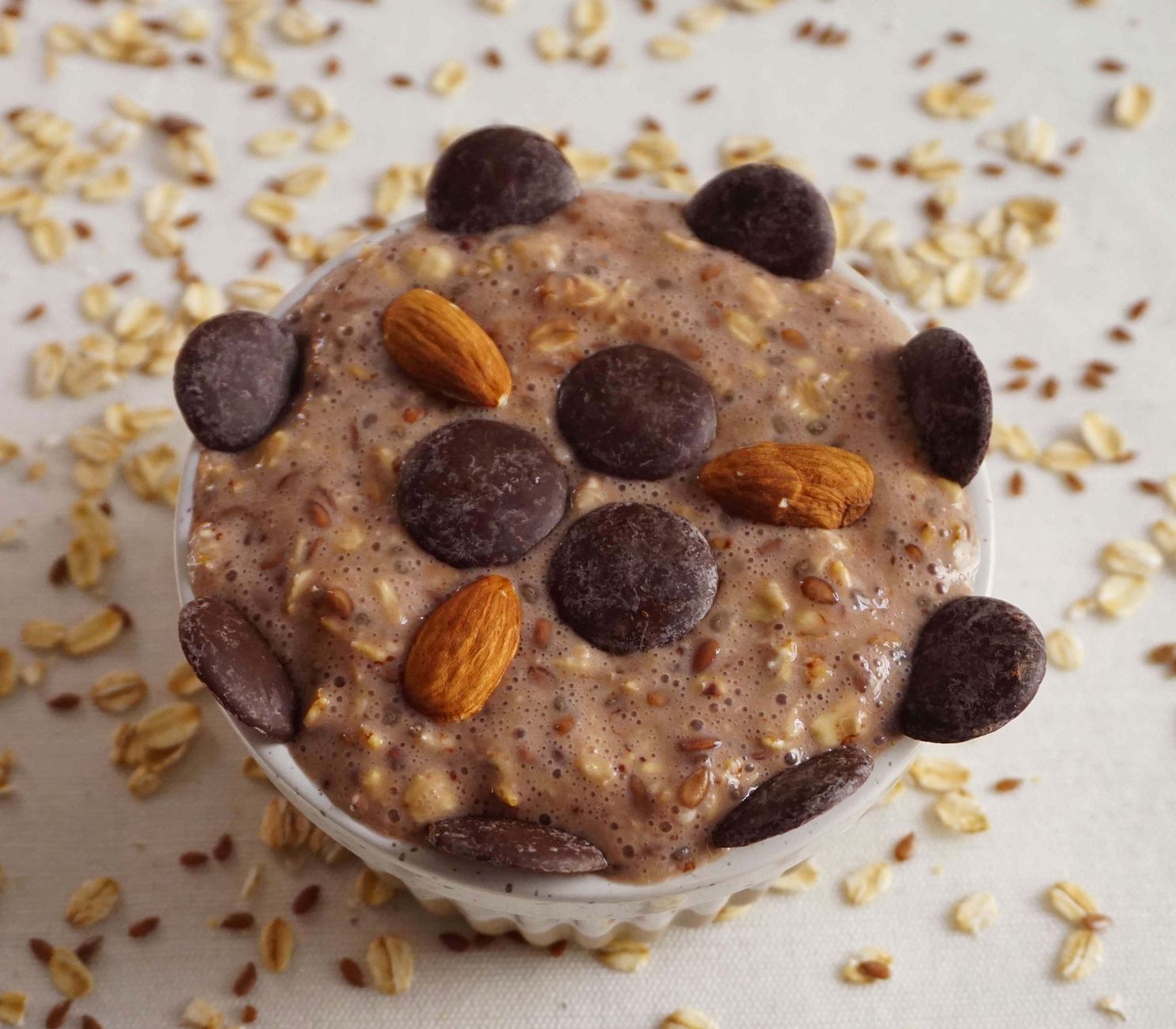
Overnight oats have become a popular breakfast choice for many, and for good reason. They are easy to make, nutritious, and offer a variety of flavor possibilities. The basic concept involves soaking oats in liquid overnight, allowing them to soften and absorb flavors. This no-cook method results in a creamy, hearty meal that can be tailored to individual tastes.
In this article, we will explore what overnight oats are, their benefits, how to prepare them, and some delicious flavor variations. Whether you are busy in the morning or just looking for a nutritious breakfast option, overnight oats provide a practical solution.
What Are Overnight Oats?
Overnight oats are a cold oatmeal dish made by soaking rolled oats in a liquid overnight. This method allows the oats to absorb the liquid and other ingredients, resulting in a soft, creamy texture that is ready to eat in the morning. The base usually consists of rolled or quick oats, mixed with a liquid such as milk, yogurt, or a non-dairy alternative. You can enhance them with fruits, nuts, seeds, or sweeteners for added flavor and nutrition.
Benefits of Overnight Oats
There are several reasons to incorporate overnight oats into your breakfast routine. Here are some key benefits:
- Convenience: Preparation takes just a few minutes the night before, making it a perfect grab-and-go meal.
- Nutrition: Overnight oats provide essential nutrients, including fiber, protein, and healthy fats, depending on the ingredients you use.
- Versatility: You can customize them with various toppings and mix-ins to suit your taste preferences or dietary requirements.
- No Cooking Required: Since they are soaked rather than cooked, they are perfect for hot weather and save energy.
How to Prepare Overnight Oats
Making overnight oats is straightforward. Here’s a basic method to get you started:
Ingredients
- 1/2 cup rolled oats
- 1/2 cup milk (dairy or nondairy)
- 1/4 cup yogurt (optional)
- 1 tablespoon sweetener (honey, maple syrup, or agave, optional)
- 1/2 teaspoon vanilla extract (optional)
- Toppings such as fruits, nuts, seeds, and spices (cinnamon, nutmeg, etc.)
Essential Equipment
- A mixing bowl
- A jar or container with a lid
- A spoon for mixing
Step-by-Step Method
- In a mixing bowl or jar, combine the rolled oats, milk, yogurt (if using), sweetener, and vanilla extract.
- Mix until well combined, ensuring the oats are fully submerged in the liquid.
- Add your desired toppings, such as fruits or nuts, and stir to incorporate.
- Cover the jar or container with a lid or plastic wrap and refrigerate overnight (or for at least four hours).
- The next morning, stir the oats. Add additional liquid if they are too thick, and top with more fruits, nuts, or optional toppings before serving.
Flavor Variations
The beauty of overnight oats lies in their versatility. Here are some popular flavor combinations to inspire your creations:
1. Classic Berry
- Mix in a handful of mixed berries (strawberries, blueberries, raspberries) with your base recipe.
- Top with a dollop of Greek yogurt and a sprinkle of chia seeds.
2. Peanut Butter Banana
- Add 1 tablespoon of peanut butter to your oatmeal mixture.
- Include sliced bananas and a dash of cinnamon before serving.
3. Apple Cinnamon
- Stir in grated apple and a teaspoon of cinnamon into the basic recipe.
- Top with chopped walnuts for added crunch.
4. Chocolate Hazelnut
- Add 1 tablespoon of cocoa powder to the mixture along with a sweetener.
- Top with sliced bananas and chopped hazelnuts for a delicious treat.
5. Tropical Coconut
- Replace part of the milk with coconut milk and add shredded coconut to the mix.
- Top with pineapple or mango for a refreshing twist.
Ingredient Substitutions
You can easily adapt overnight oats to suit your dietary preferences or allergies. Here are several substitution options:
- Oats: Use gluten-free oats to make the dish gluten-free.
- Liquid: Substitute milk with almond milk, oat milk, or even fruit juices for different flavor profiles.
- Yogurt: Swap with non-dairy yogurt or omit for a lower-calorie option.
- Sweeteners: Honey can be replaced with agave nectar or a sugar alternative like stevia.
Common Mistakes and Troubleshooting
To ensure you enjoy your overnight oats without any mishaps, keep these common pitfalls in mind:
- Using Quick Oats: While quick oats can be used, they may become too mushy compared to rolled oats, which have a better texture.
- Too Much Liquid: If your oats turn out too runny, use less liquid next time or add toppings like chia seeds to absorb some moisture.
- Not Enough Flavor: Enhance flavor with spices (like cinnamon or nutmeg) and a variety of toppings to avoid blandness.
Storage and Meal Prep Guidance
Overnight oats are ideal for meal prepping. Here’s how to store them effectively:
- Keep the overnight oats in an airtight container to retain freshness.
- You can prepare multiple jars at once – they typically last in the refrigerator for up to five days.
- If you plan to add fresh fruits, consider adding them just before eating to maintain texture and flavor.
Serving Suggestions
Overnight oats can be enjoyed on their own or as part of a larger breakfast spread. Here are a few serving ideas:
- Pair with a smoothie for a balanced breakfast.
- Serve with a side of eggs or avocado toast for added protein.
- Top with nut butters or granola for an extra crunch and flavor contrast.
Conclusion
Overnight oats offer an adaptable, nutritious breakfast option that can easily fit into any lifestyle. Their ease of preparation and variety of flavors make them a great choice, whether you’re rushing to get out the door or enjoying a leisurely morning at home. Try experimenting with different combinations and make them your own!
If you’re interested in more variations, check out our chia pudding recipe with coconut milk or explore our protein granola recipe for additional healthy snack ideas.