
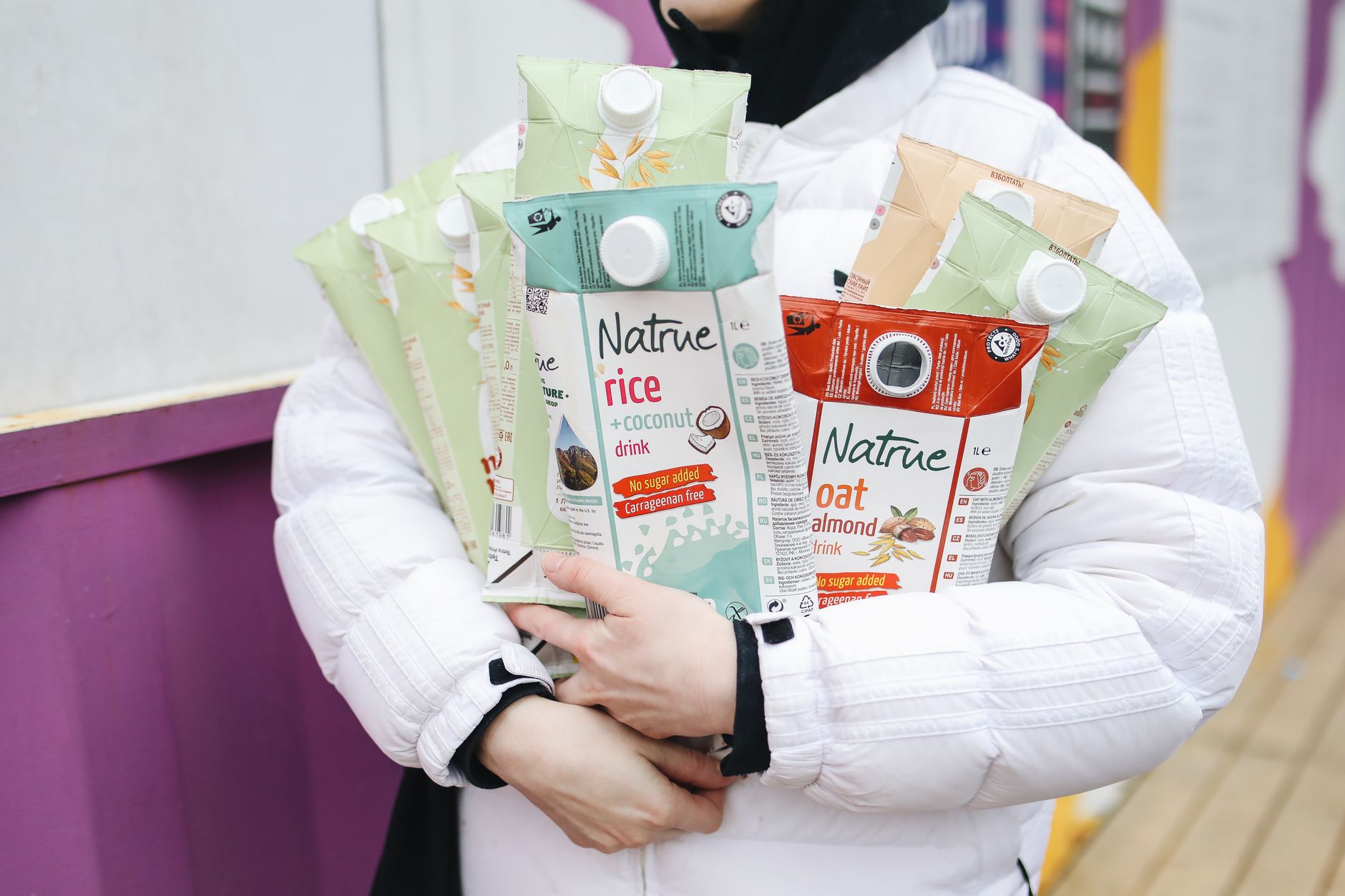
Almond milk is a popular plant-based milk alternative known for its light, nutty flavor and versatility in various recipes. Many individuals turn to almond milk for its dairy-free qualities, but one common question arises after purchasing: how long does almond milk last after opening? This article will provide detailed information about almond milk shelf life after being opened and tips on proper storage to ensure its freshness.
Understanding the longevity of almond milk is crucial to avoid waste and ensure the best quality for your culinary endeavors. Let’s explore how long almond milk lasts, factors that influence its shelf life, proper storage methods, and what to look for to determine if it has gone bad.
How Long Does Almond Milk Last After Opening?
Once opened, almond milk typically has a shelf life of 7 to 10 days when stored properly in the refrigerator. However, it is essential to check the “best by” date on the packaging and consider how the almond milk has been handled and stored. Proper storage can help maximize its freshness and prevent spoilage.
Factors Influencing Almond Milk Shelf Life
Several factors affect how long almond milk lasts after opening. Understanding these can help you maintain its freshness.
Type of Almond Milk
There are two main types of almond milk: shelf-stable and refrigerated. Shelf-stable almond milk is made using ultra-high temperature (UHT) treatment, which allows it to be stored at room temperature until opened. Refrigerated almond milk, on the other hand, must be kept cold from the beginning. Generally, shelf-stable varieties can last a bit longer after opening than refrigerated ones.
Storage Conditions
The temperature and environment in which almond milk is stored significantly influence its longevity. Almond milk should always be stored in the refrigerator, ideally at a temperature of 40°F (4°C) or below. If almond milk has been left out at room temperature for an extended period, it may spoil more quickly.
Packaging and Handling
How you handle and store almond milk can also impact its freshness. Keep the lid tightly sealed when not in use, and always use clean utensils to pour the almond milk to prevent contamination. Additionally, the presence of air in the container can lead to oxidation, which affects flavor and spoilage rates.
Signs That Almond Milk Has Gone Bad
Knowing when almond milk has spoiled can save you from consuming an unpleasant product. Here are some clear indicators that your almond milk has gone bad:
- Smell: Fresh almond milk has a pleasant, nutty aroma. If it smells sour or off, it’s likely spoiled.
- Texture: If the almond milk appears chunky or has a curdled texture, it should not be consumed.
- Taste: If the almond milk tastes sour or off in any way, do not use it.
- Expiration Date: Always check the “best by” date on the carton. If it has passed, it is safer to discard it.
Proper Storage Techniques for Almond Milk
To extend the life of your almond milk, follow these effective storage tips:
- Refrigerate Immediately: After opening, store almond milk in the refrigerator without delay.
- Keep it Sealed: Use the original lid or a tightly fitting cap to minimize air exposure.
- Avoid Temperature Fluctuations: Do not store almond milk in the door of the refrigerator, as this is where temperature changes are most frequent. Opt for a middle shelf instead.
- Do Not Return Used Milk: Never pour leftover almond milk back into the original container, as this can introduce bacteria.
What to Do With Leftover Almond Milk
If you find that your almond milk is nearing its expiration date, consider using it creatively before discarding it. Here are a few ideas:
In Smoothies
Almond milk is an excellent base for smoothies. Its creamy texture complements fruits and greens, creating a nutritious drink. Consider adding spinach, banana, and almond milk for a delicious breakfast smoothie.
Baking
Substitute almond milk for regular milk in baking recipes, such as muffins, pancakes, and cakes. This adds a rich flavor and retains moisture in your baked goods.
Cooking
Use almond milk as a dairy-free base for soups or sauces. It can create delicious creamy textures while remaining plant-based.
Oatmeal and Cereal
Pour almond milk over your morning cereals or oatmeal for a nutritious twist. Its nutty flavor enhances the overall taste while providing non-dairy nutrition.
Can You Freeze Almond Milk?
For long-term storage, freezing almond milk is an option, but it’s important to know that the texture may change once thawed. Here’s how to freeze almond milk:
- Pour into Containers: Use airtight containers or ice cube trays to freeze almond milk.
- Leave Space: Leave some space at the top of the container, as liquids expand when frozen.
- Label and Date: Mark each container with the date to keep track of how long it has been frozen.
- Thaw Properly: To thaw, place the container in the refrigerator overnight or use a water bath. Stir well before use to recombine the separated ingredients.
Keep in mind that compared to fresh almond milk, thawed almond milk may be less creamy and slightly grainy, making it ideal for cooking or baking rather than drinking straight.
Ways to Use Almond Milk Beyond Beverages
Almond milk is versatile beyond just being a beverage. Here are some recipes and ways to incorporate almond milk:
Almond Milk Chia Pudding
This quick and healthy chia pudding can be made by combining almond milk, chia seeds, vanilla extract, and a sweetener. Let it sit overnight in the fridge for a delicious breakfast or snack.
Vegan Alfredo Sauce
Create a creamy vegan Alfredo by blending almond milk with garlic, nutritional yeast, and cashews, thickened with flour or arrowroot. This sauce pairs perfectly with pasta or vegetables.
Pudding and Custards
Use almond milk in puddings and custards, which often require milk or cream. It can add a unique flavor and satisfy the need for a dairy-free dessert.
Frequently Asked Questions (FAQs)
Can Almond Milk Expire?
Yes, almond milk can expire, especially if not stored properly. Always check for the signs of spoilage as discussed above, such as smell, texture, and taste.
What Is the Difference Between Sweetened and Unsweetened Almond Milk?
Sweetened almond milk contains added sugars and flavorings, making it taste sweeter and richer. Unsweetened almond milk has no additional sugar, making it ideal for savory dishes or low-sugar diets.
Can I Use Almond Milk for Cooking or Only for Drinking?
Almond milk can be used for both cooking and drinking. It works well in a variety of recipes, providing a dairy-free alternative that does not compromise flavor or texture.
Conclusion
Understanding how long almond milk lasts after opening and how to store it properly is essential for maintaining its freshness and usability. Remember that when refrigerated, almond milk generally lasts about 7 to 10 days after opening, depending on its type and storage conditions. Be attentive to signs of spoilage to ensure you enjoy the best flavor and quality in your dishes or drinks.
Now that you’re equipped with the knowledge of almond milk storage and usage, consider checking out more about chia seeds and their shelf life or explore how long cottage cheese lasts after opening at cottage cheese storage.