
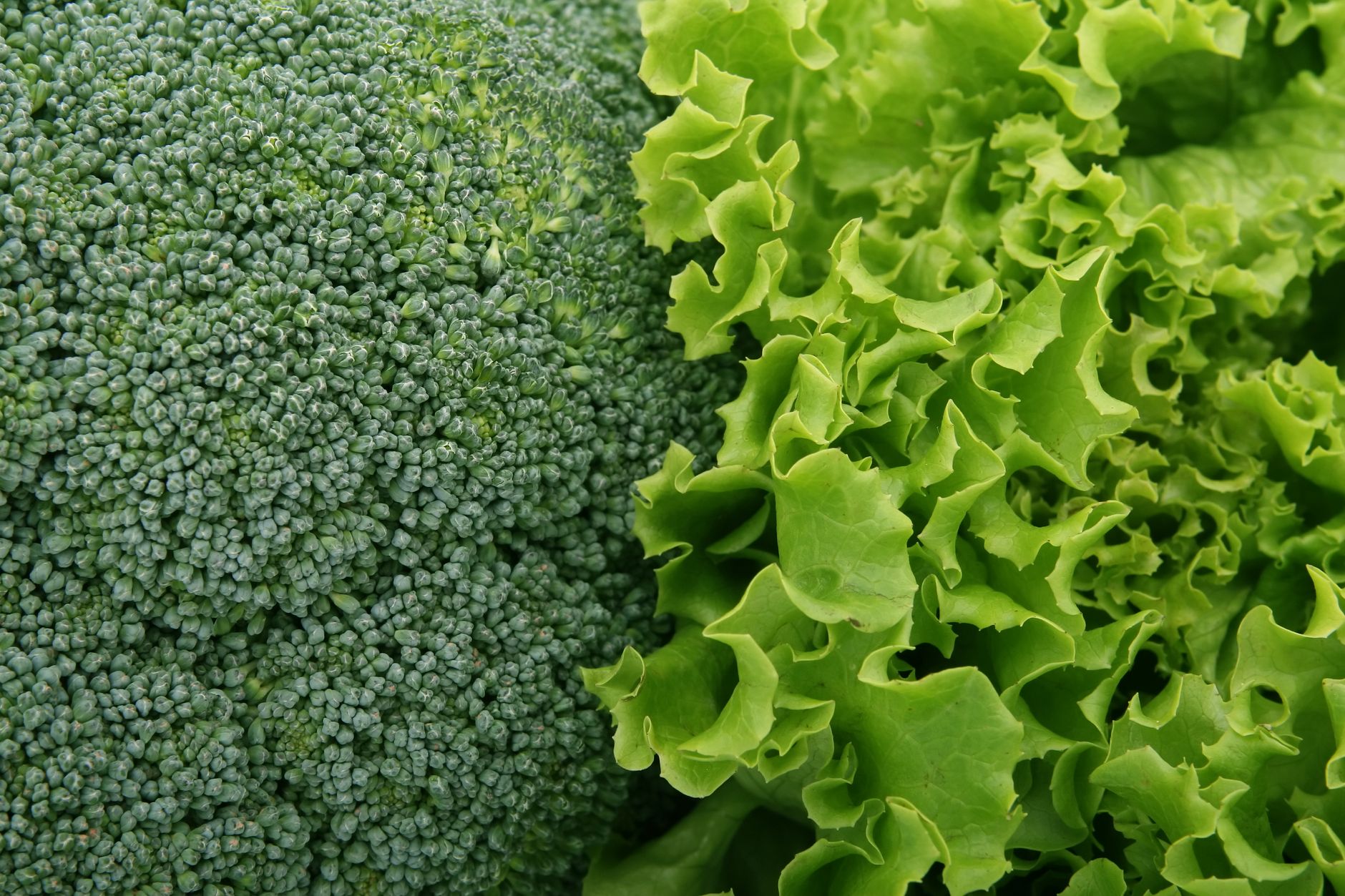
Bearded dragons are popular reptiles known for their unique dietary needs, which include a variety of vegetables. Understanding what veggies bearded dragons can eat every day is crucial for their health and well-being. This comprehensive guide covers the best veggies for daily consumption, how to prepare them, and tips for incorporating them into a balanced diet.
Feeding your bearded dragon a diverse array of vegetables can promote better health, prevent nutritional deficiencies, and enhance their overall quality of life. This guide will help you navigate which vegetables are safe and beneficial for your scaly friend.
What Veggies Can Bearded Dragons Eat Every Day?
Bearded dragons can safely consume various vegetables every day, some of which can even be a staple in their diet. These veggies must be fresh, clean, and chopped into manageable sizes to prevent choking. Here are some of the best options:
- Dandelion Greens
- Collard Greens
- Mustard Greens
- Turnip Greens
- Squash (butternut or acorn)
- Carrots
- Bell Peppers
- Green Beans
- Zucchini
- Broccoli (in moderation)
Benefits of Feeding Vegetables to Bearded Dragons
Vegetables are a vital part of a bearded dragon’s diet, providing essential vitamins, minerals, and fiber. Incorporating the right veggies can support digestion, enhance immune function, and contribute to a balanced diet. Here’s why you should prioritize fresh veggies:
- Nutrition: Provides necessary nutrients like calcium, magnesium, and vitamins A, C, and K.
- Hydration: Many vegetables have high water content, contributing to your dragon’s hydration.
- Variety: Offering a range of veggies prevents dietary boredom, making meals more enjoyable for your pet.
How to Prepare Vegetables for Your Bearded Dragon
Preparation is critical to ensure that the vegetables are safe and appealing to your bearded dragon. Follow these steps when preparing veggies:
- Wash thoroughly: Rinse vegetables under running water to remove any pesticides or contaminants.
- Chop into small pieces: Cut vegetables into bite-sized pieces to prevent choking and assist with digestion.
- Serve fresh: Vegetables should be fresh and not wilted or shriveled. Discard any leftover food within 24 hours to prevent spoilage.
- Mix it up: Create a colorful mix of different veggies to provide variety and attract your bearded dragon’s attention.
Individual Vegetable Profiles
Next, we delve deeper into each vegetable, detailing their nutritional benefits, preparation tips, and any special considerations for feeding them to your bearded dragon.
Dandelion Greens
Dandelion greens are a favorite for many reptiles. They are rich in calcium and vitamins A and K, making them an excellent daily choice.
- Preparation: Wash and chop into small pieces. You can serve them raw.
- Frequency: Can be offered daily.
Collard Greens
Collard greens are high in fiber and nutrients, making them another excellent option for a bearded dragon’s diet.
- Preparation: Rinse well and slice into manageable pieces.
- Frequency: Can be included daily.
Mustard Greens
Mustard greens provide essential vitamins and add variety to your pet’s diet. They have a slightly peppery taste.
- Preparation: Wash, chop, and serve fresh.
- Frequency: Great for daily feeding.
Turnip Greens
Turnip greens are rich in calcium and vitamins, making them a nutritious choice.
- Preparation: Wash and chop into small pieces.
- Frequency: Can be offered regularly, ideally on alternate days.
Squash (butternut or acorn)
Squash is not only nutritious but also appealing to bearded dragons due to its sweet flavor.
- Preparation: Peel, deseed, and chop into bite-sized pieces. You can serve it raw or lightly cooked.
- Frequency: Can be given several times a week.
Carrots
Carrots are high in beta-carotene, which is beneficial for vision and immune health.
- Preparation: Peel and chop into small pieces or offer grated carrots.
- Frequency: Can be fed a few times a week.
Bell Peppers
Bell peppers are colorful, tasty, and high in vitamins, particularly vitamin C.
- Preparation: Remove the seeds and chop into small pieces.
- Frequency: Can be included several times a week.
Green Beans
Green beans are high in fiber and low in calories, making them a great snack.
- Preparation: Wash and chop into small pieces. Avoid canned varieties due to high sodium.
- Frequency: Can be offered a few times a week.
Zucchini
Zucchini is a hydrating vegetable that can be a staple in your bearded dragon’s diet.
- Preparation: Wash and slice into small pieces. It can be served raw or lightly cooked.
- Frequency: Daily or several times a week.
Broccoli (in moderation)
While broccoli is nutritious, it should be fed in moderation due to potential thyroid issues.
- Preparation: Wash well and chop into manageable pieces.
- Frequency: Offer once a week or less.
Potential Hazards in Feeding Vegetables
Although many vegetables are beneficial for bearded dragons, there are some that should be avoided or fed sparingly. Here are a few to watch out for:
- Spinach: Containing oxalates, spinach can hinder calcium absorption.
- Iceberg Lettuce: Very low in nutrients, it can cause diarrhea and should be avoided.
- Potatoes: High in solanine, raw potatoes can be toxic.
Common Feeding Mistakes
Feeding your bearded dragon a varied diet can sometimes lead to mistakes. Here are some common pitfalls to avoid:
- Over-reliance on greens: Only greens won’t provide the necessary nutrition; include a variety of vegetables.
- Neglecting calcium: Ensure a calcium supplement is included in their diet, especially if dark leafy greens are not provided.
- Not cleaning produce: Always clean vegetables thoroughly to remove pesticides and contaminants.
Conclusion
Feeding bearded dragons a balanced daily diet of the right vegetables is vital for their health. Variety, preparation, and proper handling will help ensure your pet thrives. Always introduce new veggies slowly and monitor for any adverse reactions to new foods.
By offering a selection of the mentioned vegetables, you can contribute to your bearded dragon’s well-being and happiness. For more ideas on incorporating vegetables into your pet’s diet, explore recipes like dandelion greens or Hawaiian vegetables.