
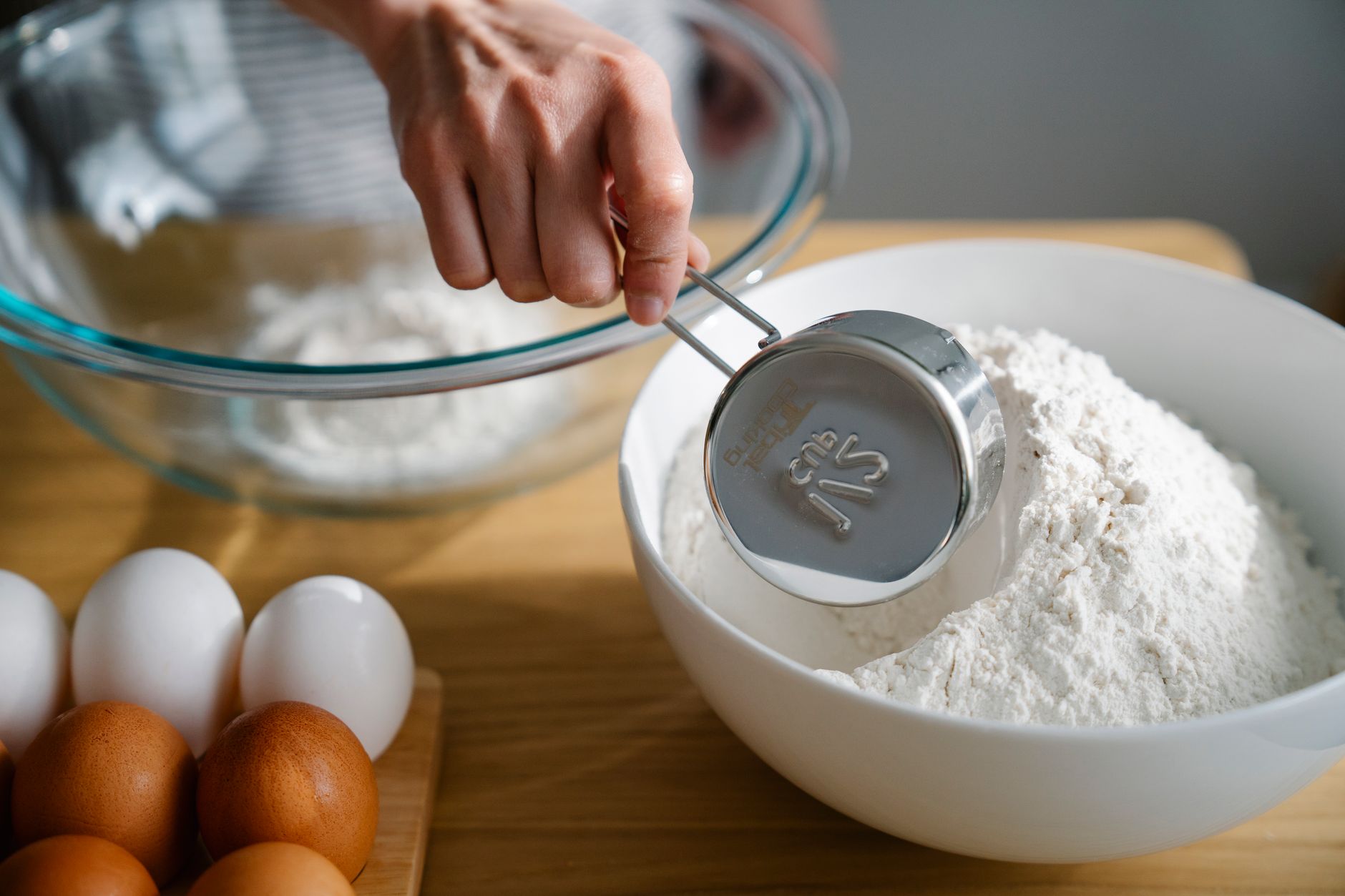
Cooking and baking requires precision, and knowing how many grams of flour are in a cup is a vital piece of information for any recipe enthusiast. Whether you’re crafting a cake, whipping up cookies, or making homemade bread, understanding flour measurements can greatly affect the outcome of your dish.
This article aims to clarify the weight of flour in grams per cup and explore various types of flour, their uses, and how flour storage can impact your baking. We’ll also touch on measurement tips and practical substitutions that can make a real difference in your recipes.
How Many Grams Of Flour In A Cup?
A standard cup of all-purpose flour weighs about 120 grams. However, this weight can vary based on the type of flour as well as measurement techniques. For instance, using a scale is the best way to achieve accuracy when measuring flour.
The Importance of Accurate Flour Measurements
Flour is a primary ingredient in many baking recipes, and the amount used can dictate the texture and structure of the final product. Using too much flour can result in dense and dry baked goods, while too little may lead to a collapsed cake or undercooked bread. It’s essential to measure correctly for the best results.
Types of Flour and Their Weights
While all-purpose flour is the most commonly used, various other flours have different weights per cup:
- All-Purpose Flour: 120 grams
- Whole Wheat Flour: 130 grams
- Bread Flour: 130 grams
- Cake Flour: 110 grams
- Self-Rising Flour: 120 grams
- Sifted Flour: About 90-100 grams
- Gluten-Free Flour: 120 grams (though this can vary widely based on the blend)
Understanding Flour Types
The type of flour you choose can significantly impact your baked goods. Each type has unique properties suited for specific dishes. Here’s a brief overview:
All-Purpose Flour
All-purpose flour is versatile and can be used for nearly any baking project. Its moderate protein content (around 10-12%) makes it suitable for cookies, cakes, breads, and muffins.
Whole Wheat Flour
This flour is made from the entire grain, providing more fiber and nutrients. It typically leads to denser baked goods, and generally requires more liquid when used in recipes.
Bread Flour
Bread flour has a higher protein content (around 12-14%), making it ideal for yeast-based recipes like bread and pizza dough. It provides better gluten development, leading to chewier textures.
Cake Flour
Cake flour has a lower protein content (around 7-9%) and is milled finer than all-purpose flour. This leads to tender cakes, making it perfect for delicate pastries and cakes.
Self-Rising Flour
This flour is all-purpose flour combined with a leavening agent and salt, making it convenient for certain recipes, particularly biscuits and quick breads.
Sifted Flour
Sifting flour aerates it and can drastically reduce its weight, which is why sifted flour can weigh significantly less than unsifted flour.
Gluten-Free Flour
This category includes blends made from grains, nuts, or starches free from gluten. Each blend behaves differently in recipes, so it’s recommended to check individual weights when measuring.
Measuring Flour: Techniques and Tips
To achieve the most accurate measurements, consider the following techniques:
Using a Scale
The most reliable way to measure flour is to use a kitchen scale. Simply place your bowl on the scale, zero it out, and add the flour until you reach the desired weight. This method eliminates any variability from volume measurement.
Measuring by Volume
If you are using a measuring cup, spoon the flour into the cup and level it off with a knife without packing it down. Avoid scooping directly from the flour container, as this can compact the flour and lead to using more than intended.
Common Mistakes When Measuring Flour
Even experienced bakers can make miscalculations. Here are some pitfalls to avoid:
- Packing Flour: Don’t pack flour into the measuring cup; this adds more weight than needed.
- Using the Wrong Flour Type: Substituting one type of flour for another can result in different weights and textures.
- Sifting Confusion: Sifted flour should be weighed before sifting for accurate measurements.
Practical Substitutions for Flour
In baking, sometimes you need to adapt what you have on hand. Here are useful flour substitutions:
- Whole Wheat Flour for All-Purpose: Use a 1:1 ratio but expect denser results. Adding extra liquid may help.
- Almond Flour: Use 1 cup of almond flour for every 1 cup of all-purpose flour, but reduce liquid by a couple of tablespoons.
- Oat Flour: Substitute 1:1 for all-purpose flour. It works well for pancakes and some cookies.
- Coconut Flour: Use only 1/4 cup for every 1 cup of all-purpose flour due to its absorbent nature. Increase the liquid significantly.
Storage Tips for Flour
Proper flour storage is essential for preserving freshness. Here’s how to keep your flour in good condition:
- Air-tight Containers: Store flour in a sealed container to prevent moisture and pests.
- Cool, Dark Places: Keep flour away from light and heat. Refrigeration can prolong its shelf life, especially for whole-grain and nut flours.
- Use By Dates: Flour does not expire, but it does lose potency over time. Check the dates and use older flour first.
Flour in Everyday Cooking
Flour is an essential ingredient in countless recipes across various cuisines. Here’s a sampling of how it is used:
- Baking: Cakes, breads, cookies, pastries, and muffins heavily rely on flour for structure.
- Thickening Agent: Flour can thicken sauces, gravies, and soups.
- Pasta and Noodles: Flour is a primary component in making homemade pasta.
- Coating Ingredients: Flour can be used to coat meats or vegetables for frying.
Conclusion
Understanding how many grams of flour are in a cup and measuring accurately is vital for achieving successful baking results. By recognizing the different types of flour and their unique properties, you can make informed decisions in your cooking. Adhering to proper measurement techniques ensures your baked goods come out just as you intended.
For your next baking project, remember to invest in a good kitchen scale, explore flour substitutions if needed, and store your flour properly to maintain its quality. With this knowledge, you’ll become a more confident and effective baker.
Explore more about flour, such as the difference between bleached and unbleached flour at this guide, or get inspired with a delicious cinnamon roll recipe using heavy cream at this recipe.