
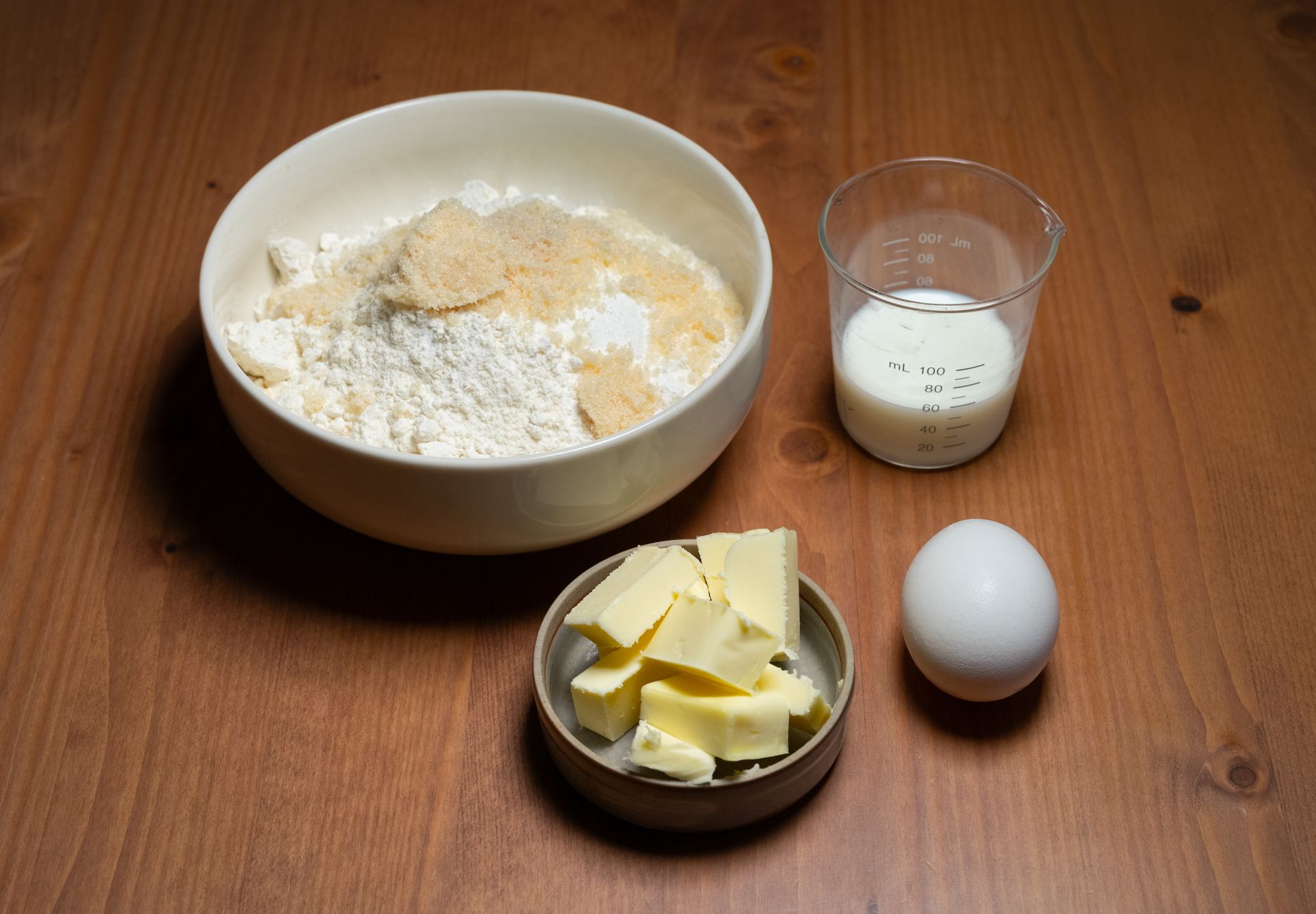
Butter is a staple ingredient in many recipes, adding richness and depth of flavor to your cooking and baking. Whether you’re making a creamy sauce, a rich cake, or a buttery pastry, understanding how much one cup of butter weighs and its volume equivalences is essential for any home cook.
This comprehensive guide will walk you through the measurements, various forms of butter, cooking techniques involving butter, and substitutions to ensure your culinary adventures are both delicious and precise.
How Much Is One Cup Of Butter?
One cup of butter equals 8 ounces, or 227 grams. This measurement is critical for recipe accuracy, as butter is often a key player in achieving the desired texture and flavor profile.
The Importance of Precise Measurements
Accurate measurements are vital when baking or cooking, especially when dealing with ingredients like butter that impact both texture and taste. Using too little or too much can alter the outcome of your dish, leading to dry cookies, dense cakes, or greasy sauces.
Understanding Butter Measurements
Butter is sold in various forms and packaging, and understanding how to measure it accurately can help avoid confusion. Here’s what you need to know:
- Sticks: Butter is commonly sold in stick form in the US, with each stick containing 1/2 cup (4 ounces).
- Cubes: Some brands package butter in cubed form, where each cube usually equals 1 tablespoon.
- Block: Whole bricks of butter are another common option and contain 4 sticks, totaling 2 cups (16 ounces).
Ways to Measure Butter
While one cup equals 8 ounces, you may find yourself needing to measure butter by tablespoons or grams for precision or smaller recipes. Here are a few methods:
1. Measuring by Sticks
If using stick butter, the markings on the wrapper indicate tablespoons. Since 1 cup equals 2 sticks of butter, you can easily cut along the wrapper to obtain the correct amount.
2. Using a Scale
For the most accurate measurement, use a kitchen scale. Place a bowl on the scale, zero it out, and add butter until you reach 227 grams (or 8 ounces).
3. Measuring by Volume
If you don’t have sticks or a scale, you can still measure by volume using a liquid measuring cup. Cut the butter into smaller pieces, and pack it into the cup before leveling it off with a knife for accuracy.
Different Types of Butter
Not all butter is created equal. Here’s a closer look at the various types of butter you may encounter and their specific uses:
- Salted Butter: Contains added salt, making it ideal for spreading on bread or in recipes where you want a salty flavor.
- Unsalted Butter: The preferred option for baking, as it allows for precise control over the salt content in your recipes.
- Clarified Butter: Butter that has been melted and the milk solids removed, resulting in a higher smoke point and a nutty flavor.
- European-Style Butter: Higher butterfat content (82-86%) than standard butter (80%), giving it a richer flavor and better performance in baking.
Common Cooking Techniques with Butter
Butter can be used in various cooking techniques, and mastering these will enhance your culinary skills:
1. Emulsifying
Butter is an excellent emulsifier that helps combine fat and liquid, making it essential for sauces like hollandaise and vinaigrettes. Be sure to incorporate it gradually to create a stable emulsion.
2. Sautéing
Butter can be used for sautéing vegetables for their rich flavor, but be cautious, as it can burn at high temperatures. A combination of oil and butter can increase the smoke point.
3. Baking
Butter is a fundamental ingredient in most baked goods. It contributes to the texture and flavor of cookies, cakes, and pastries. Be sure to incorporate the butter at the right temperature; softened butter is best for creaming with sugar.
4. Browning
Browning butter is simple but enhances the flavor of many dishes. Melt the butter over medium heat until it turns golden brown and has a nutty aroma. Use it in sauces or as a flavor enhancer in vegetables and grains.
Common Butter Substitutes
If you’re out of butter or need a dairy-free alternative, there are several substitutions you can consider. Each substitution will impact flavor and texture, so choose wisely based on your needs:
- Margarine: A direct substitute for butter in most recipes, though it may alter the flavor slightly.
- Coconut Oil: A popular vegan option with a slight coconut flavor; use in a 1:1 ratio.
- Ghee: Clarified butter with a rich flavor and higher smoke point; use it in the same quantity as butter.
- Applesauce: For baking, unsweetened applesauce can be used in a 1:1 ratio to replace butter, offering moisture and lower fat content.
- Greek Yogurt: A healthier alternative in baking, use ½ the amount of Greek yogurt compared to butter to maintain moisture.
Common Mistakes When Using Butter
Even seasoned cooks can make mistakes when working with butter. Here are some pitfalls to avoid:
- Incorrect Temperature: Using cold butter instead of softened butter can prevent proper creaming, leading to dense baked goods.
- Overcreaming: While it’s essential to thoroughly cream butter and sugar, overworking the mixture can lead to a heavy texture in cakes.
- Not Measuring Properly: In baking, accuracy is crucial; always measure butter carefully to avoid altering the outcome.
Tips for Storing Butter
Proper storage can extend the shelf life of your butter and maintain its freshness:
- Refrigerator: Store butter in its original packaging or an airtight container in the fridge to prevent it from absorbing odors.
- Freezer: Butter can be frozen for up to six months. Wrap it tightly in plastic wrap and place it in a freezer-safe container.
- Room Temperature: Salted butter can be kept at room temperature for a limited time if stored in a butter dish. Unsalted butter should be refrigerated if not used promptly.
Conclusion
Understanding how much one cup of butter weighs and its various forms, uses, and substitutes can significantly improve your cooking and baking results. With careful measurement and attention to detail, you can create delicious and satisfying dishes, from fluffy cookies to rich sauces. The next time a recipe calls for butter, remember these insights to enhance your culinary prowess.
Explore related recipes and cooking tips for more culinary inspiration. Check out our clarified butter recipe and learn how to make cinnamon rolls with heavy cream for a delicious breakfast treat.