
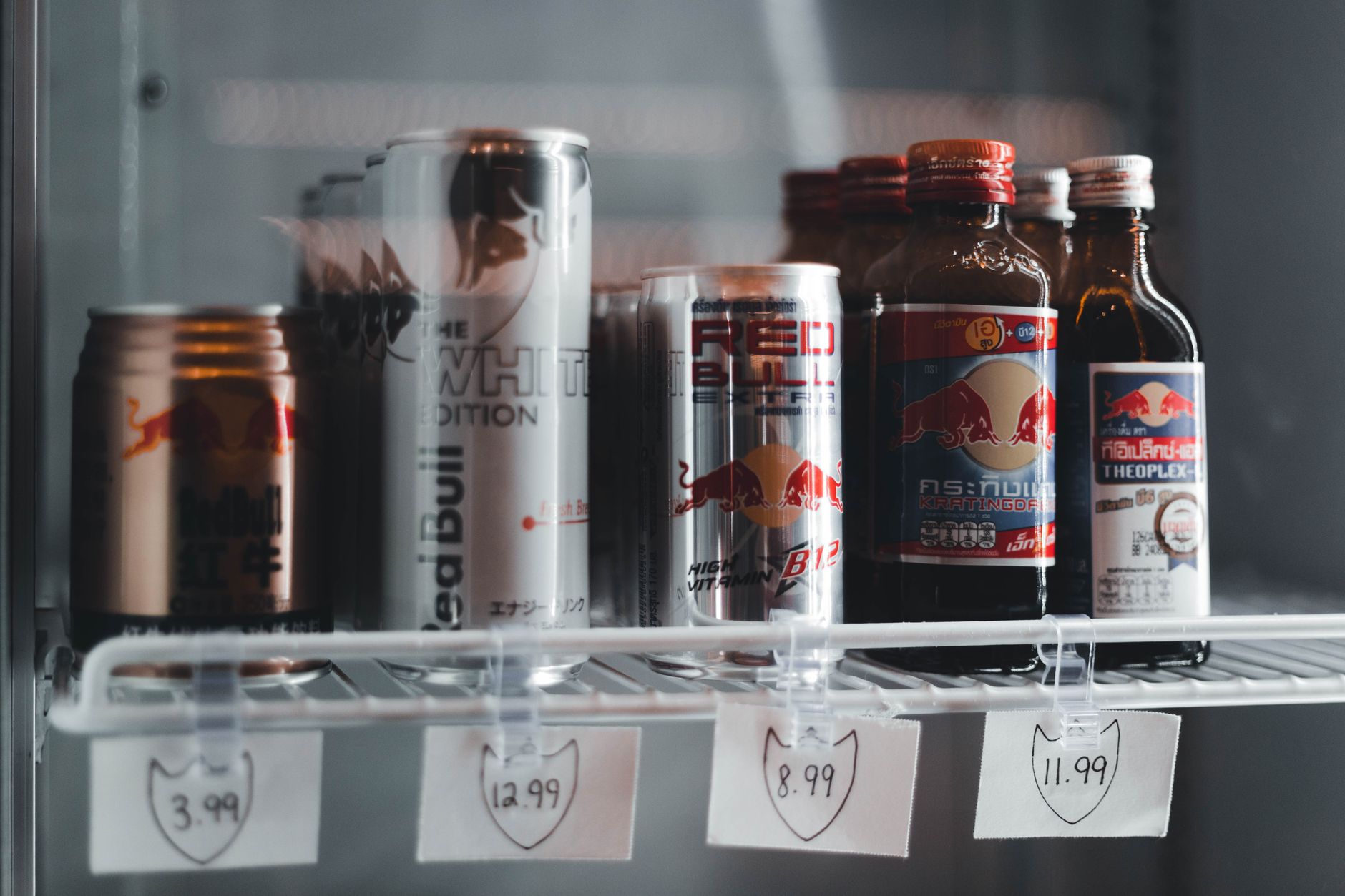
Energy drinks are popular beverages designed to boost alertness and energy levels. However, pregnant individuals may wonder if consuming these drinks during pregnancy is safe. This article will explore the ingredients in energy drinks, their effects on pregnancy, and possible alternatives.
Many energy drinks contain caffeine, sugar, and other stimulants, which can raise concerns about their impact on fetal development. It’s essential to understand the risks involved and seek healthier options during pregnancy. Let’s dive deeper into the implications of drinking energy drinks while expecting.
Can You Drink Energy Drinks While Pregnant?
Pregnant individuals are generally advised to limit caffeine intake due to potential risks to fetal health. While it is technically possible to consume energy drinks during pregnancy, it is not recommended due to high caffeine levels and other ingredients that may pose risks to both the mother and the unborn child.
Understanding Caffeine and Its Effects
Caffeine is a central nervous system stimulant found in numerous food and beverages, including coffee, tea, and energy drinks. During pregnancy, moderate caffeine consumption is considered safe; however, excessive intake can lead to complications.
Guidelines for Caffeine Intake During Pregnancy
The American College of Obstetricians and Gynecologists (ACOG) suggests limiting caffeine intake to about 200 mg per day, equivalent to approximately one 12-ounce cup of coffee. Since certain energy drinks may contain up to 500 mg or more of caffeine per serving, consuming them can lead to surpassing safe limits.
Potential Risks of Excessive Caffeine Consumption
High caffeine intake during pregnancy has been associated with:
- Increased risk of miscarriage
- Low birth weight
- Preterm birth
- Developmental delays in offspring
Ingredients in Energy Drinks
Besides caffeine, energy drinks commonly contain various ingredients, some of which can pose additional risks during pregnancy.
Common Ingredients Found in Energy Drinks
- Sugar: Many energy drinks are high in sugar, which can contribute to excessive weight gain and gestational diabetes.
- Taurine: This amino acid is often included but its long-term effects on pregnant individuals are not well studied.
- Guarana: A natural stimulant that contains caffeine, further increasing the caffeine content of the drink.
- Vitamins and Herbs: Ingredients like B vitamins and herbal stimulants may have unknown effects on fetal development.
Why Avoid Energy Drinks During Pregnancy
The combination of high caffeine, sugar, and other stimulants can pose multiple health risks. The unpredictable effects on hormone levels and metabolic responses can complicate a pregnancy.
Alternative Sources of Energy During Pregnancy
Instead of energy drinks, pregnant individuals can opt for safer alternatives that provide energy without harmful side effects. Here are some healthier options:
1. Natural Fruit Juices
Real fruit juices like orange or apple juice can provide a quick energy boost thanks to their natural sugars and vitamins. Opt for juices without added sugar, ideally freshly squeezed.
2. Herbal Teas
Caffeine-free herbal teas, such as peppermint or ginger tea, can be invigorating and refreshing. Always check for ingredients that might not be safe during pregnancy.
3. Smoothies
Blending fruits, vegetables, and yogurt can yield a nutrient-packed smoothie. Consider incorporating spinach, bananas, and berries for energy and fiber. Smoothies are customizable and can be made to suit personal preferences.
4. Water
Staying hydrated is crucial during pregnancy. Water helps maintain energy levels and supports overall health. Adding slices of lemon or cucumber can make it more refreshing.
What to Do If You Crave Energy Drinks
It’s not uncommon to crave energy drinks or similar beverages due to fatigue. Here are some strategies to satisfy that craving without compromising health:
Seek Permission from Healthcare Provider
If energy drinks are particularly tempting, talk to your healthcare provider for insights tailored to your specific needs. They can help assess whether an occasional low-caffeine energy drink might be appropriate for you.
Explore Hydrating Foods
Foods like watermelon, cucumbers, and oranges not only provide hydration but also can help maintain energy levels. Snacking on these refreshing foods can be both satisfying and nourishing.
When to Consult a Healthcare Provider
If you have questions about your dietary choices during pregnancy, particularly concerning energy drinks or caffeine, consult your healthcare provider. This is especially important if you have underlying health conditions or previous pregnancy complications.
Common Misconceptions about Energy Drinks and Pregnancy
Several myths surround the consumption of energy drinks during pregnancy. Here are a few, along with the truth behind them.
Myth 1: All Caffeine Is Bad During Pregnancy
While excessive caffeine can have negative effects, moderate intake within recommended limits (200 mg per day) is generally considered safe.
Myth 2: Energy Drinks Provide Lasting Energy
Energy drinks offer a short-term boost but can lead to a crash later. Natural sources of energy, like whole foods, tend to offer more sustained energy.
Myth 3: Energy Drinks Are a Good Source of Nutrition
Energy drinks typically lack essential nutrients necessary for pregnancy. Whole foods and balanced meals offer much better nutrition.
Conclusion
While drinking energy drinks during pregnancy may not be outright forbidden, the potential risks associated with high caffeine and other stimulants makes them inadvisable. Expecting mothers are encouraged to seek healthier alternatives to meet their energy needs safely.
If you are looking for nutritious and easy-to-make recipes to sustain your energy during pregnancy, check out our chia pudding recipe using coconut milk and learn how long to soak chia seeds for optimal results.