
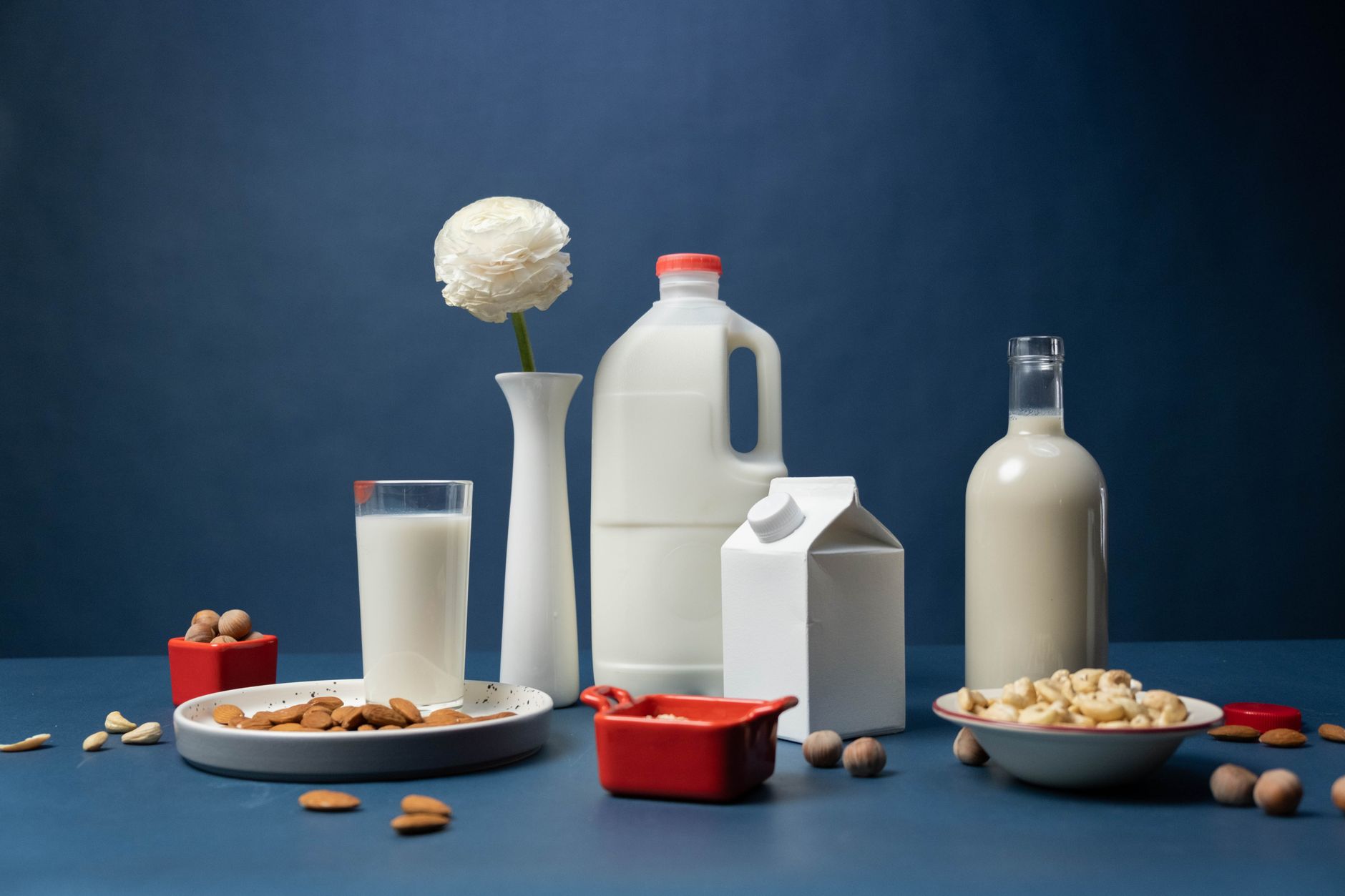
A dairy-free diet can be a safe and healthy choice for many individuals, providing a variety of benefits while accommodating specific dietary needs and preferences. However, it’s essential to ensure that a dairy-free lifestyle is well-balanced, providing adequate nutrition that typically comes from dairy sources.
This article will explore the safety of a dairy-free diet, highlight key nutrients to focus on, discuss potential challenges, and provide practical tips to create a nutritionally complete dairy-free eating plan.
Is Dairy Free Diet Safe?
Yes, a dairy-free diet is generally safe and can be healthy if planned correctly. Eliminating dairy does not automatically lead to nutrient deficiencies, provided that individuals incorporate alternative sources of essential vitamins and minerals into their diet.
Understanding Dairy Alternatives
For those choosing a dairy-free diet, understanding dairy alternatives is crucial. These alternatives come in various forms and can help replace nutrients typically obtained from dairy products, such as calcium, vitamin D, and protein.
Types of Dairy Alternatives
- Plant-Based Milks: Almond, soy, coconut, oat, and rice milks are popular dairy-free options. Be mindful of added sugars and choose fortified varieties when possible.
- Dairy-Free Yogurts: Typically made from almond milk, soy milk, coconut milk, or cashew milk, these alternatives are often probiotic-rich.
- Plant-Based Cheeses: Made from nuts, soy, or starches, these cheeses can vary in taste and texture, so experimenting with different types is helpful.
- Non-Dairy Creamers: Commonly made from plant milks or coconut milk, they can be a substitute for cream in coffee or recipes.
Nutritional Considerations for a Dairy-Free Diet
Removing dairy can result in missed key nutrients unless careful attention is paid to dietary choices. Here’s a breakdown of essential nutrients and their dairy-free sources.
Calcium
Calcium is crucial for bone health, and while dairy is a primary source, many alternatives can provide adequate calcium.
- Fortified Plant Milks: Many options, such as almond or soy milk, come with added calcium.
- Dark Leafy Greens: Kale, bok choy, and broccoli are excellent sources of calcium.
- Fortified Juices: Some orange juices and other drinks are fortified with calcium.
- Tofu: Made with calcium sulfate, tofu can be a substantial calcium source.
Vitamin D
Vitamin D aids calcium absorption and can be obtained through:
- Fortified plant milks and juices.
- Mushrooms exposed to UV light.
- Supplements, if necessary, after consulting a healthcare provider.
Protein
To maintain adequate protein intake without dairy:
- Consume legumes, beans, and lentils.
- Include nuts and seeds in meals and snacks.
- Incorporate whole grains, quinoa, and buckwheat.
- Consider plant-based protein powders if needed.
Healthy Fats
Healthy fats are essential for overall health; dairy-free options include:
- Avocados, nuts, and seeds.
- Olive oil and coconut oil.
- Fatty fish for those who consume seafood.
Potential Challenges of a Dairy-Free Diet
While a dairy-free diet can be nutritious, there are specific challenges that individuals may face.
Nutrient Deficiencies
If dairy is eliminated without adequate replacements, deficiencies in calcium, vitamin D, riboflavin, and vitamin B12 may occur. Regularly assess nutritional intake and, if necessary, consult with a healthcare provider or a registered dietitian.
Digestive Issues
Some individuals may experience digestive discomfort when switching to dairy alternatives, especially if they have not consumed many fibrous foods or if they are suddenly increasing their intake of high-fiber diets.
Practical Tips for a Balanced Dairy-Free Diet
To successfully navigate a dairy-free lifestyle while ensuring good nutrition, consider the following tips:
Plan Your Meals
Meal planning is crucial in preventing nutrient gaps and ensuring a balanced diet. Here’s how:
- Incorporate various protein sources throughout the week.
- Ensure meals include a combination of vegetables, whole grains, healthy fats, and protein.
- Consider batch-cooking meals to save time and help maintain variety.
Read Labels
Many packaged foods can contain dairy. Always check for hidden dairy ingredients, which may include:
- Casein
- Whey
- Cheese flavoring
- Milk powders
Common Misconceptions About Dairy-Free Diets
Understanding the truth behind common misconceptions can help ease concerns about adopting a dairy-free lifestyle.
Dairy-Free Means Nutritionally Inferior
This is not necessarily true. A well-planned dairy-free diet can provide all necessary nutrients, often leading to higher consumption of fruits, vegetables, and whole grains.
All Non-Dairy Products Are Healthy
Not all dairy alternatives are created equal. Some may be high in added sugars and preservatives. Opt for products with fewer ingredients and no added sugars when possible.
Cooking and Baking Without Dairy
Transitioning to a dairy-free diet also involves adapting cooking and baking techniques.
Ingredient Substitutions
Consider these practical substitutions when cooking or baking:
- Milk: Substitute with almond, soy, or oat milk. Use unsweetened versions for savory dishes.
- Butter: Use coconut oil, olive oil, or vegan butter options. In baking, applesauce or mashed bananas can replace butter for moisture.
- Yogurt: Use coconut or almond yogurt, which can add creaminess to smoothies or dressings.
Baking Tips
When baking without dairy, adjustments may be necessary:
- Monitor moisture levels, as non-dairy ingredients can differ in water content.
- Incorporate binder ingredients like flaxseed meal or chia seeds if removing eggs as well.
What Else to Keep in Mind?
Staying informed and cautious is key to maintaining a dairy-free diet, so here are some additional recommendations:
Seek Professional Guidance
If there are concerns about nutrient intake or health issues while following a dairy-free diet, consult a registered dietitian. They can help tailor a diet that meets your specific needs.
Listen to Your Body
Adjustments may take time. Pay attention to your body’s reactions when introducing new foods or eliminating old ones. Consult healthcare professionals if discomfort arises.
Emerging Research
Research on dietary approaches is continually evolving. Stay up to date with reputable sources or registered dietitians who can provide evidence-based recommendations.
Conclusion
In summary, a dairy-free diet can certainly be safe and healthy when well-planned. By prioritizing nutrient-rich alternatives and staying mindful of potential challenges, individuals can thrive without dairy. Start by exploring various dairy-free recipes and valuable cooking tips to make this dietary shift enjoyable.
For a delightful breakfast option, check out this dairy-free pancake recipe, and for a delicious snack, try this chia pudding recipe with coconut milk.