
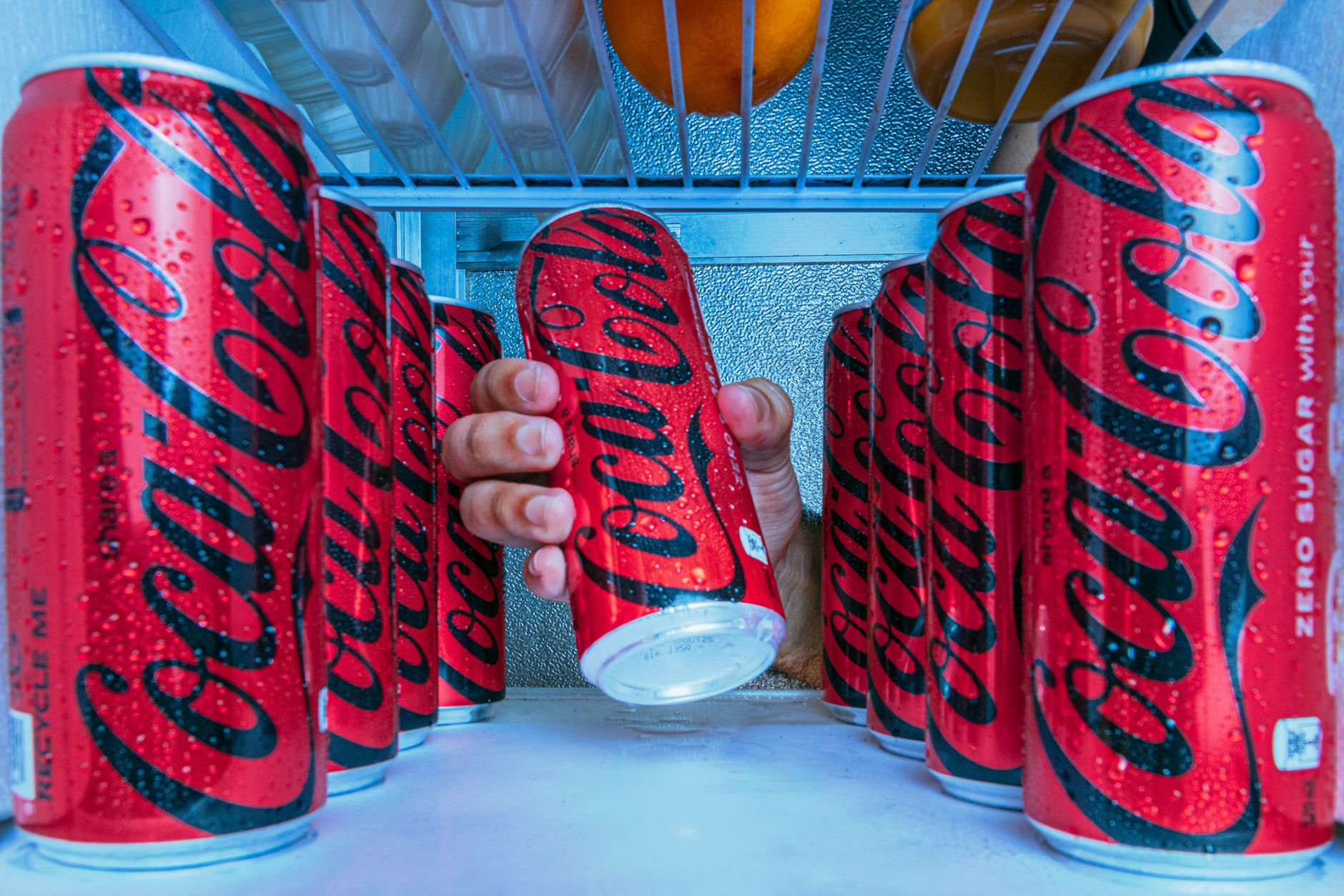
Coca-Cola is one of the most popular soft drinks worldwide, known for its distinct flavor and refreshing quality. However, there’s a critical aspect of Coke that often comes up in discussions about its consumption: its sugar content. With health trends constantly evolving, understanding the amount of sugar in a can of Coke can help you make informed dietary choices.
This article will dive into the specifics of sugar content in a standard can of Coca-Cola, why it matters, and how it compares to other beverages. We’ll also discuss practical implications of sugar consumption and look into alternatives that might suit your beverage preferences better.
How Many Grams Of Sugar In A Can Of Coke?
A standard 12 fl oz (355 mL) can of Coca-Cola contains approximately 39 grams of sugar. This sugar comes primarily from high fructose corn syrup, which is the main sweetening agent in most sodas. This amount of sugar is significant, contributing to a large percentage of the daily recommended sugar intake for an adult.
Understanding Sugar in Soft Drinks
When examining the sugar content in soft drinks like Coke, it’s essential to differentiate between natural sugars and added sugars. Coca-Cola contains added sugars, which are sugars that are not naturally occurring in the ingredients. These sugars can lead to various health issues if consumed excessively.
The Impact of Sugar on Health
Consuming high amounts of sugar can lead to numerous health problems, including weight gain, diabetes, and heart disease. The American Heart Association recommends that women limit added sugar intake to no more than 6 teaspoons (25 grams) per day and men to 9 teaspoons (38 grams) per day. Comparing these recommendations to the 39 grams found in a can of Coke shows that a single can can exceed the daily limit for women and be close to the limit for men.
Labeling and Ingredients
A can of Coca-Cola lists its ingredients, starting with carbonated water, followed by high fructose corn syrup, caramel color, phosphoric acid, natural flavors, caffeine, and citric acid. Notably, the high fructose corn syrup primarily provides the sugar content. It may be helpful to look at the nutritional label to understand better how this product fits into your daily dietary needs.
How Coca-Cola Compares To Other Beverages
To grasp just how sugary Coca-Cola is, comparing it to other common drinks can be insightful. Here’s a comparison table illustrating the sugar content in various beverages:
| Beverage | Serving Size | Sugar (grams) |
|---|---|---|
| Coca-Cola | 12 fl oz | 39 |
| Sprite | 12 fl oz | 38 |
| Pepsi | 12 fl oz | 41 |
| Mountain Dew | 12 fl oz | 46 |
| Orange Soda | 12 fl oz | 44 |
| Gatorade | 12 fl oz | 21 |
| Natural Fruit Juice | 12 fl oz | 24 |
As shown in the table, most mainstream soft drinks contain similar or slightly higher sugar levels than Coca-Cola. This information can help you make better choices when quenching your thirst.
Practical Implications of High Sugar Consumption
Understanding how much sugar is in a can of Coke allows consumers to reflect on their overall sugar intake through soft drinks. Soft drinks are one of the most significant sources of added sugars in many people’s diets. Moderation is key when it comes to sugary beverages.
Daily Sugar Intake Recommendations
The Dietary Guidelines for Americans suggest limiting added sugars to less than 10% of total daily calories. For a standard 2,000 calorie diet, this translates to about 200 calories from added sugars, or roughly 50 grams per day. Given that one can of Coke contains 39 grams of sugar, it becomes evident that drinks like this can quickly consume a significant portion of your daily sugar max.
Alternatives to Sugar-Sweetened Beverages
If you find yourself concerned about sugar intake but still enjoy a refreshing drink, consider these alternatives:
- Diet Coke: This variant uses artificial sweeteners instead of sugar, significantly reducing calorie consumption.
- Sparkling Water: Flavored or unflavored sparkling water can be a good substitute for sugary sodas, providing a fizzy sensation without added sugars.
- Unsweetened Iced Tea: Tea can be a flavorful, sugar-free alternative. Herbal varieties offer different tastes without added sugars.
- Infused Water: Adding slices of fruits, herbs, or cucumbers to water not only enhances flavor but keeps the drink sugar-free.
How to Cut Down on Sugar Intake
Transitioning away from high-sugar beverages doesn’t have to be awkward or immediate. Here are some steps to help you cut down on sugar consumption:
- Start slowly by replacing one sugary drink per day with a healthier alternative.
- Gradually reduce the number of sugary drinks you consume within a week.
- Experiment with homemade versions of popular drinks, like lemonade or iced tea, using less sugar.
- Stay informed by reading labels carefully to choose beverages with lower sugar levels.
How to Enhance Your Experience with Coca-Cola
If you opt to enjoy a can of Coca-Cola occasionally, consider ways to enhance the experience while minimizing sugar-related health risks:
- Pairing: Enjoy your Coke with a balanced meal to help mitigate the blood sugar spikes that may occur with high sugar consumption on an empty stomach.
- Portions: Consider sharing a can with someone else or opting for a smaller serving to reduce overall intake.
- Mindful Drinking: Take time to savor the flavor and refreshment of your Coke, which can reduce the tendency to drink more than intended.
Common Misconceptions About Sugar
When discussing sugar, there are several misconceptions that can lead to confusion:
- All Sugars Are Created Equal: Natural sugars found in fruits and dairy are generally considered healthier compared to added sugars found in sodas and sweets.
- Diet Drinks Are Always Healthier: While diet sodas contain fewer or no calories, their long-term consumption can have its own set of health implications, so moderating their intake is also advised.
- Cutting Out All Sugars Is Necessary: Moderation is key; it is more about balance than completely eliminating sugar from your diet.
Conclusion
Understanding the sugar content in a can of Coke can empower you to make informed decisions regarding your beverage choices and overall health. With approximately 39 grams of sugar in a standard can, it becomes evident that moderation is essential when consuming sugary drinks.
Incorporating healthier alternatives and staying informed can help manage your sugar intake effectively. Whether you choose to enjoy a Coke occasionally or opt for healthier beverages, informed decisions will guide you towards a balanced approach to your diet.
For more beverage ideas, check out our recipes for Vanilla Simple Syrup and a delightful Caramel Ribbon Crunch Frappuccino that offers flavorful, lower-sugar alternatives to traditional sweet drinks!