
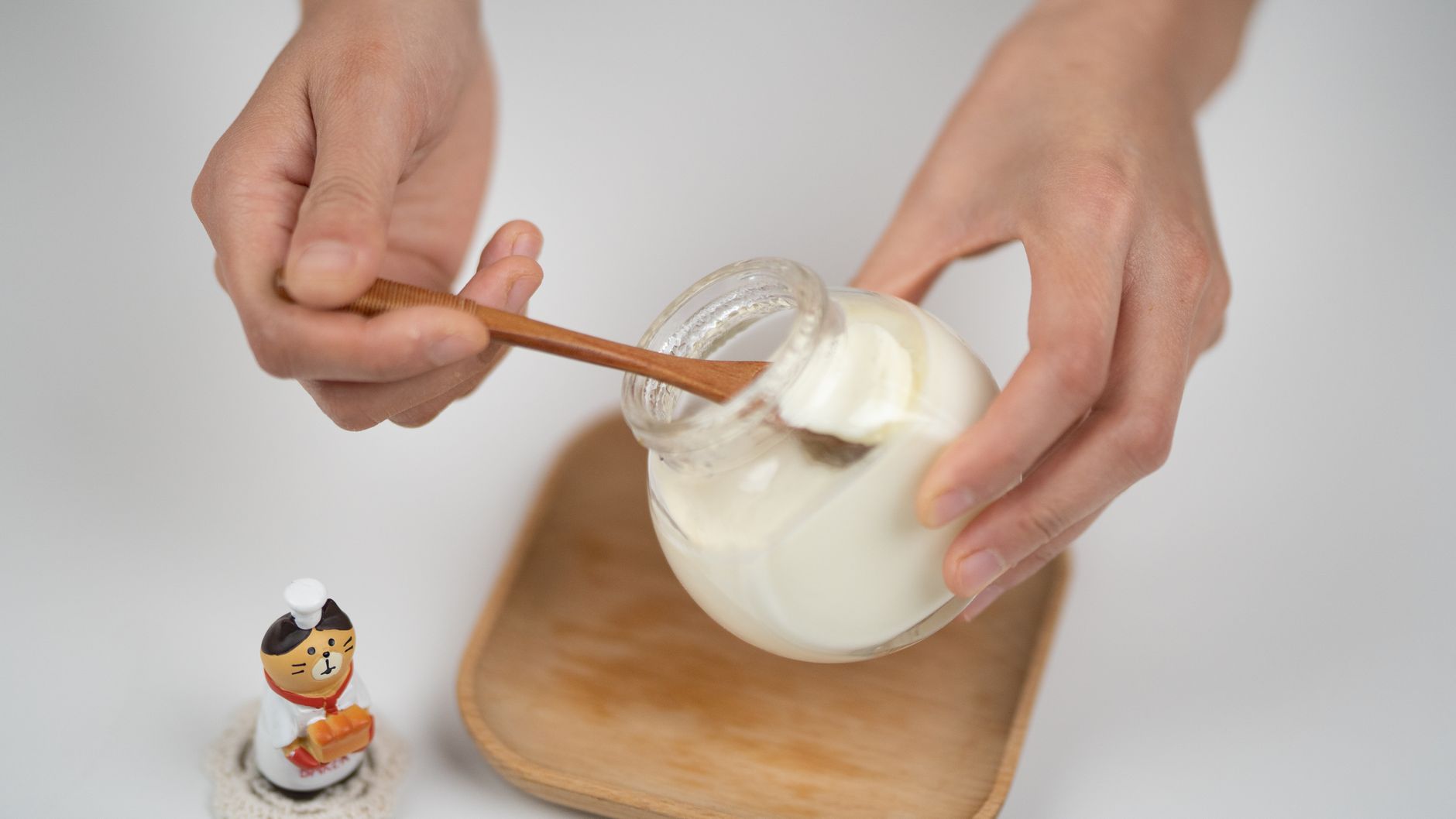
Mayonnaise, a creamy condiment made primarily from egg yolks, oil, and vinegar or lemon juice, is often a staple in many kitchens. It is used in countless dishes, from sandwiches to salads. But with rising health concerns, many people wonder: is mayo bad for you?
Understanding whether mayonnaise is healthy or unhealthy involves exploring its ingredients, nutritional content, potential health risks, and benefits. This article will help clarify the complexities surrounding mayonnaise, so you can make informed decisions about including it in your diet.
Is Mayo Bad For You?
The answer to whether mayonnaise is bad for you is not entirely straightforward. Mayonnaise itself is not inherently unhealthy, but its health impact depends on various factors, including ingredients, serving size, and overall dietary habits. Moderation is key.
What is Mayonnaise Made Of?
Traditional mayonnaise is made from a few simple ingredients:
- Egg yolks
- Oil (usually vegetable oils like canola or soybean)
- Vinegar or lemon juice
- Salt
- Mustard (optional)
This simple emulsion creates the creamy texture and tangy flavor that mayonnaise lovers enjoy. However, the type of oil used and whether the eggs are pasteurized can affect its health profile.
Nutritional Profile of Mayonnaise
Mayonnaise is high in calories and fat, making it an energy-dense food. Here is a general breakdown of the nutritional content for one tablespoon (about 14 grams) of regular mayonnaise:
- Calories: 94
- Total Fat: 10 grams
- Saturated Fat: 1.5 grams
- Trans Fat: 0 grams
- Cholesterol: 5 milligrams
- Sodium: 95 milligrams
- Carbohydrates: 0 grams
- Protein: 0 grams
This nutritional profile shows that mayo is primarily fat, which is mostly unsaturated. However, because of the high calorie content, consuming too much can contribute to weight gain if not balanced with your overall dietary intake.
Health Benefits of Mayonnaise
Despite its reputation, mayonnaise does offer some health benefits when consumed in moderation:
- Healthy Fats: The majority of fats in mayonnaise are unsaturated fats, which can be beneficial for heart health when replacing saturated fats in the diet.
- Source of Vitamin E: If made with high-quality oils, mayonnaise can be a good source of vitamin E, an antioxidant important for skin and immune health.
- Satiety: The high-fat content of mayonnaise can increase feelings of fullness, potentially helping with portion control in meals.
Potential Risks of Mayonnaise
While mayonnaise has some health benefits, it also has potential downsides:
- High in Calories: Due to its high calorie density, mayo might contribute to weight gain if consumed in large amounts. It’s essential to consider portion sizes.
- Possible Allergens: Traditional mayo contains eggs, which could trigger allergic reactions in some individuals.
- Additives: Many commercial mayonnaise brands include preservatives, artificial flavors, and added sugars, making them less healthful than homemade versions.
Homemade vs. Store-Bought Mayonnaise
Making mayo at home allows you to control the ingredients. Homemade mayonnaise typically contains fewer preservatives and can use healthier oil options, such as olive oil, which may enhance its nutritional profile. Here are some points of comparison:
| Aspect | Homemade Mayonnaise | Store-Bought Mayonnaise |
|---|---|---|
| Ingredients | Natural, whole ingredients | Often contains preservatives and additives |
| Control over flavor | Customizable | Fixed flavor profile |
| Nutritional Content | Varies based on oil and additives | Standardized, may include unhealthy oils |
Can You Substitute Mayonnaise?
If you wish to reduce calories or fat in a recipe, there are various substitutes for mayonnaise that you might consider. Here are some popular options:
- Greek Yogurt: A popular substitute due to its similar consistency, Greek yogurt provides protein and probiotics.
- Avocado: Mashed avocado can add creaminess and healthy fats while boosting nutrients.
- Silken Tofu: Blended silken tofu can mimic the creaminess of mayo, making it a good vegan alternative.
- Mustard: For an extra kick without calories, mustard can be mixed with other ingredients as a condiment.
Using Mayonnaise in Cooking
Mayonnaise is incredibly versatile and can be used in various dishes, enhancing flavors and moisture. Here are practical applications:
- Salad Dressings: Mayonnaise is the base for creamy dressings. You can mix it with herbs, spices, and other ingredients for unique flavors.
- Deviled Eggs: A classic use, mayo gives creaminess and flavor to deviled eggs.
- Marinades: Using mayo as a marinade helps tenderize meat while adding moisture and flavor.
- Baking: Some recipes incorporate mayonnaise in cakes and brownies to add moisture.
Mayonnaise and Dietary Considerations
When evaluating mayonnaise in terms of dietary restrictions, here are some considerations:
- Vegetarian and Vegan Options: Traditional mayonnaise is not vegan due to egg content, but many brands offer egg-free alternatives made with aquafaba or plant proteins.
- Low-Carb Diet: Mayonnaise can be part of low-carb diets due to its lack of carbohydrates, making it suitable for ketogenic eating.
- Gluten-Free: Most traditional mayonnaises are naturally gluten-free, but check for cross-contamination with specific brands.
Conclusion
Mayonnaise is neither categorically good nor bad for you; it ultimately depends on individual dietary needs and consumption habits. When used in moderation, it can be a flavorful addition to meals. Consider making your own or choosing high-quality store-bought mayonnaise to maximize its health benefits.
If you’re looking to experiment with mayonnaise, consider trying homemade versions or putting together delicious meals like mayo chicken or making garlic mayo for a flavorful dip. Explore related recipes and cooking tips to further enhance your culinary skills and health-conscious cooking.
For more inspiration, check out our garlic mayo recipe and discover how to make mayonnaise chicken for a unique dish that showcases this versatile ingredient.