
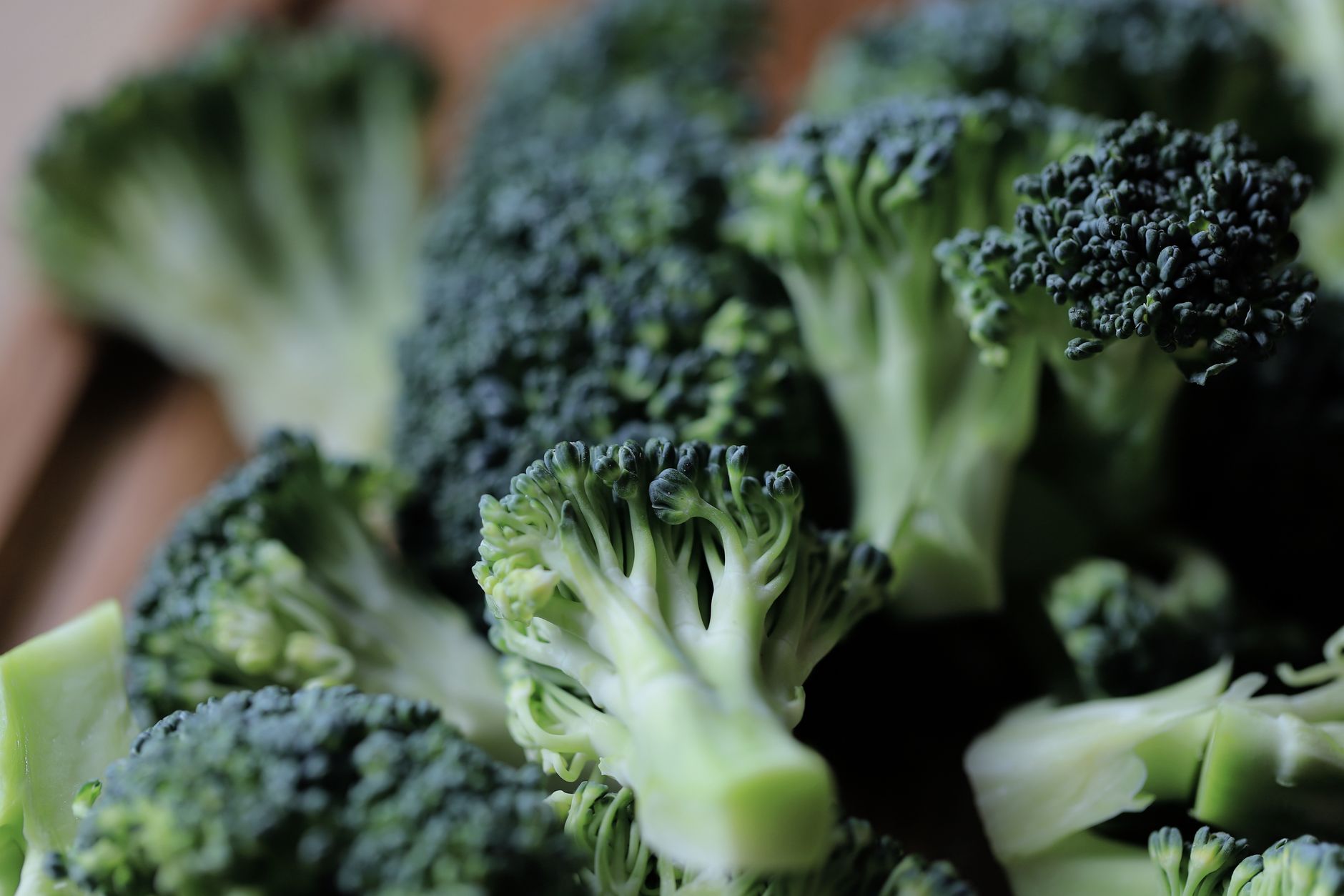
Broccoli, a cruciferous vegetable, is known for its numerous health benefits and versatility in the kitchen. However, if you’re watching your carbohydrate intake, you might be wondering about the carb content of this nutritious green. Understanding the carbohydrate levels in broccoli can help you make informed choices about your diet.
This article delves into the carbohydrate content of broccoli, how it fits into various dietary plans, and offers tips on incorporating it into your meals.
Does Broccoli Have Carbs?
Yes, broccoli does contain carbohydrates, although in relatively low amounts. A typical serving of raw broccoli (about 1 cup or 91 grams) has approximately 6 grams of carbohydrates. Of these, around 2.4 grams are dietary fiber, which is beneficial for digestion and overall health.
The Nutritional Profile of Broccoli
Aside from its carbohydrate content, broccoli is packed with vitamins, minerals, and antioxidants that contribute to its status as a superfood. Here’s a detailed breakdown of its nutritional profile:
- Calories: Approximately 31 kcal per cup
- Protein: 2.5 grams
- Fat: 0.4 grams
- Carbohydrates: 6 grams
- Fiber: 2.4 grams
- Sugars: 1.5 grams
- Vitamin C: 135% of the Daily Value (DV)
- Vitamin K: 116% of the DV
- Folate: 14% of the DV
- Potassium: 8% of the DV
- Iron: 6% of the DV
Health Benefits of Carbohydrates in Broccoli
While many diets emphasize reducing carbohydrates, it’s essential to recognize the role of healthy carbs, like those found in broccoli:
- Energy Source: Carbohydrates provide the body with energy necessary for daily activities.
- Digestive Health: The fiber in broccoli aids in digestion and can prevent constipation.
- Weight Management: High-fiber foods can promote feelings of fullness, helping control appetite and reduce overall calorie intake.
Broccoli in Various Diets
Understanding how broccoli fits into different dietary approaches can help you decide how to include this vegetable in your meal planning:
Keto Diet
The ketogenic diet is a low-carb, high-fat diet that aims to induce ketosis, a metabolic state where fat becomes the primary energy source. Broccoli fits well within this diet due to its low carbohydrate content. Incorporating broccoli into meals can help maintain the proper carb ratio while still benefiting from its nutrients.
Paleo Diet
The paleo diet focuses on consuming whole, unprocessed foods similar to those available to our ancestors. Since broccoli is a natural vegetable, it is a staple in the paleo diet. It provides various vitamins and minerals without added sugars or unhealthy fats.
Vegetarian and Vegan Diets
Both vegetarian and vegan diets emphasize plant-based foods, making broccoli an excellent choice. It can be used in salads, stir-fries, and as a side dish, ensuring adequate fiber, vitamins, and minerals while keeping carbohydrates manageable.
Weight Watchers
In the Weight Watchers program, foods are given points based on their nutritional values and calorie content. Broccoli is considered a low-point food, making it suitable for those looking to lose weight while still enjoying nutritious meals.
Creative Ways to Incorporate Broccoli into Your Meals
To enjoy broccoli while managing your carbohydrate intake, here are some creative and nutritious ways to use this versatile vegetable:
1. Roasted Broccoli
Roasting broccoli brings out its natural sweetness and creates a crispy texture. Simply toss broccoli florets with olive oil, salt, and pepper, then roast at 425°F (220°C) for about 20-25 minutes until tender and slightly browned.
2. Broccoli Salad
Combine raw broccoli with nuts, dried fruit, and a light dressing for a crunchy salad. This makes for a refreshing side dish or a light lunch option.
3. Stir-Fried Broccoli
Quickly stir-frying broccoli with other vegetables and a protein source, such as chicken or tofu, can create a well-rounded meal. Use a small amount of soy sauce or teriyaki sauce for added flavor.
4. Broccoli Soup
Pureeing cooked broccoli into a creamy soup can result in a comforting dish. For a healthier version, use vegetable broth and a splash of milk or cream to achieve the desired texture.
5. Broccoli in Omelets
Adding steamed or sautéed broccoli to omelets is a fantastic way to boost the nutritional content of your breakfast while keeping it low in carbs.
Common Mistakes to Avoid When Cooking Broccoli
While cooking broccoli, there are some common pitfalls to be aware of to ensure the best flavor and texture:
- Overcooking: Broccoli can become mushy and lose its nutrients if cooked for too long. Aim for crisp-tender doneness to maintain its vibrant color and crunch.
- Skimping on Seasoning: Broccoli can benefit from a variety of seasonings. Don’t hesitate to add garlic, lemon, or Parmesan cheese to enhance its flavor.
- Ignoring Freshness: Always choose bright green, firm broccoli. Yellowing florets indicate age and reduced flavor.
Storage and Preparation Tips for Broccoli
Proper storage and preparation can extend the freshness of broccoli and maximize its health benefits:
Storage
Store unwashed broccoli in a perforated plastic bag in the refrigerator. It can last up to a week when stored properly. Avoid washing it until you are ready to use it to prevent moisture buildup and spoilage.
Preparation
Before cooking or eating, rinse broccoli thoroughly under water to remove any dirt or pesticides. Cut the florets from the stalk, and if using the stalk, peel the outer layer to avoid a tough texture. Steaming is one of the best methods to preserve nutrients, but you can also roast, stir-fry, or eat it raw.
Conclusion
Broccoli is a nutrient-dense vegetable that fits well into a low-carb diet, offering numerous health benefits beyond its carbohydrate content. Its versatility in the kitchen makes it easy to incorporate into various meals, whether roasted, raw, or cooked into dishes. By using the tips and information provided, you can make broccoli a regular part of your healthy eating plan.
For more delicious recipes, consider exploring our ground beef and broccoli recipe or give our chia pudding with coconut milk a try!