
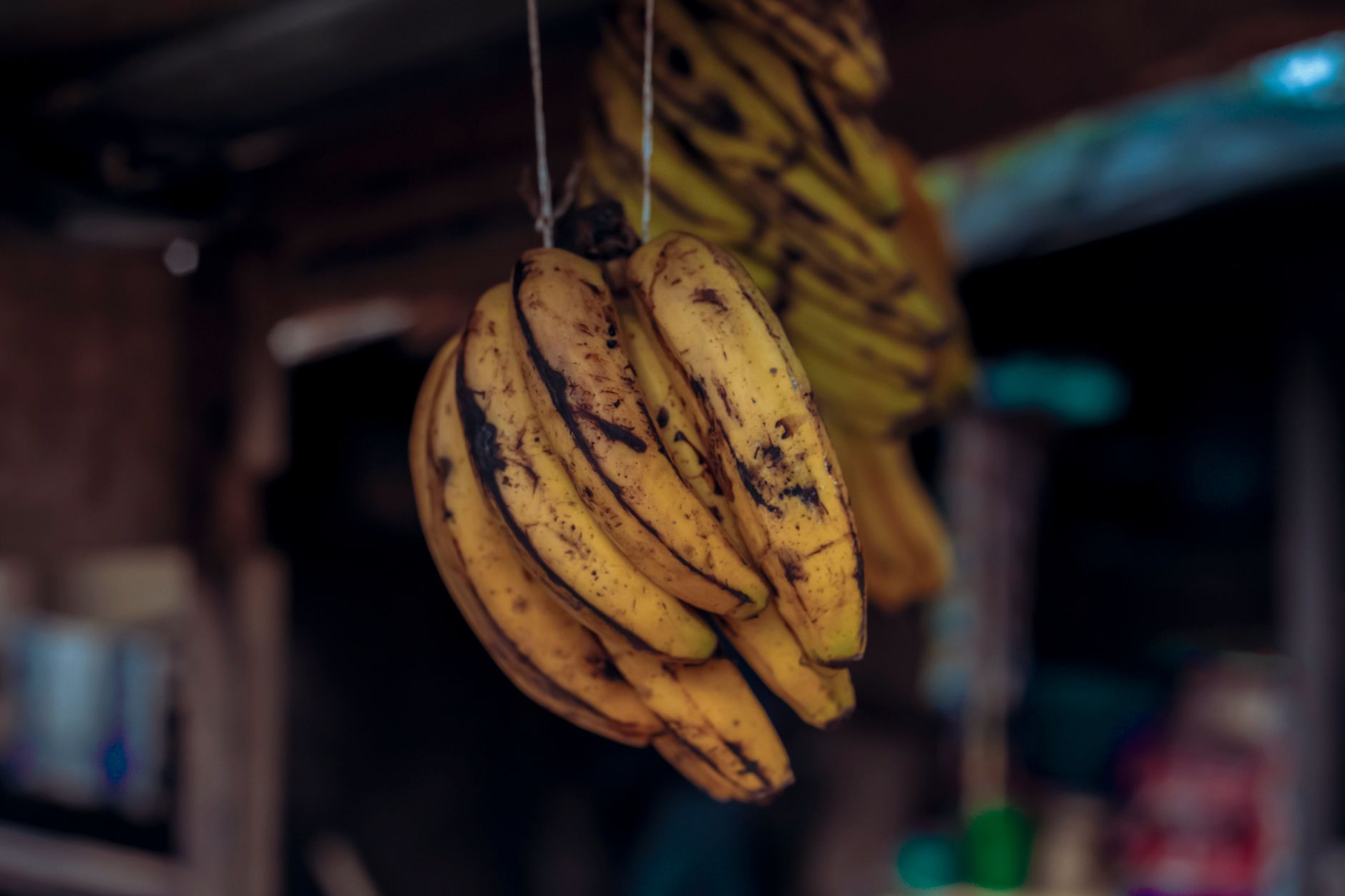
Bananas are one of the most popular fruits worldwide, beloved for their sweet flavor, convenience, and nutritional benefits. They belong to the genus Musa and are cultivated in tropical regions across the globe. Bananas are not only versatile in their culinary applications but also provide a quick source of energy, making them an ideal snack.
This article explores the origins, varieties, culinary uses, nutritional value, storage tips, and potential health benefits of bananas. Whether you’re a fan of eating them fresh, incorporating them into recipes, or using them for baking, understanding bananas can enhance your cooking and meal planning.
What Is A Banana?
A banana is an elongated, edible fruit produced by several species of large herbaceous flowering plants belonging to the genus Musa. Typically, they are cultivated in warm, humid climates, and the fruit is known for its soft texture and sweet flavor. While most commonly found in its yellow form, bananas can also be red or green, each variety offering unique taste and texture profiles.
The Origins and History of Bananas
Bananas are believed to have originated in Southeast Asia, with evidence of their cultivation dating back over 7,000 years. They quickly spread throughout the tropics, influenced by trade and migration patterns.
In the past, bananas were often not sweet and were used in cooking rather than eaten raw. The modern sweet banana that we know today was developed through the process of selective breeding. The popular Cavendish variety emerged in the mid-20th century and has since become the dominant type consumed globally.
Common Varieties of Bananas
While there are over a thousand varieties of bananas grown worldwide, a few stand out in culinary use:
- Cavendish: The most common variety found in supermarkets, known for its sweetness and smooth texture.
- Red Bananas: These are smaller and sweeter than Cavendish bananas, with a hint of raspberry flavor.
- Plantains: Often mistaken for bananas, plantains are starchier and need to be cooked before eating. They are staple ingredients in many cuisines.
- Burro: These bananas are shorter and thicker, with a tangy lemon flavor and creamy texture.
Culinary Uses of Bananas
Bananas are incredibly versatile, finding their way into a variety of dishes. Here are some popular ways to use bananas in cooking:
Fresh Eating
Eating bananas fresh is a popular choice. Their portability makes them an excellent snack. Pair them with nut butter or yogurt for added protein.
Baking
Ripe bananas add moisture and sweetness to baked goods. They are a staple ingredient in:
- Banana bread
- Banana muffins
- Banana pancakes
Cooking
Plantains, a type of cooking banana, are used in a variety of savory dishes. They can be fried, boiled, or baked and are featured in dishes such as:
- Mofongo (a Puerto Rican dish)
- Fried plantains (tostones or tostones)
- Stews and curries
Smoothies and Shakes
Bananas are a common ingredient in smoothies, adding creaminess and natural sweetness. Combine bananas with other fruits, spinach, or protein powder for a nutritious drink.
Desserts
Bananas shine in desserts, whether served individually or incorporated into recipes. They can be used in:
- Bananas Foster (a flambé dessert with rum)
- Ice creams and sorbets
- Banana splits
Nutritional Value of Bananas
Bananas are renowned for their nutrition profile. They are an excellent source of several essential nutrients, including:
- Potassium: Important for heart health and regulating blood pressure.
- Vitamin C: An antioxidant that supports the immune system.
- Vitamin B6: Essential for metabolism and brain function.
- Fiber: Aids digestion and promotes a feeling of fullness.
A medium-sized banana contains approximately 105 calories, making it a low-calorie and nutrient-dense snack option.
Health Benefits of Bananas
In addition to their nutritional value, bananas may offer several health benefits:
- Heart health: The potassium and fiber content can contribute to better heart health.
- Digestive health: The fiber helps regulate bowel movements and prevent constipation.
- Energy boost: The natural sugars in bananas provide a quick energy source, making them ideal for athletes.
How to Choose and Store Bananas
Choosing Bananas
When selecting bananas, look for fruits that are firm and free of bruises or soft spots. The color of the banana’s peel can indicate ripeness:
- Green bananas are unripe and firm but can be ripened at home.
- Yellow bananas are ripe and sweetest.
- Brown spots indicate overripe bananas, which add flavor to baked goods.
Storing Bananas
Proper storage is crucial to extend the shelf life of bananas:
- Store unripe bananas at room temperature away from sunlight to allow them to ripen naturally.
- Once ripe, you can refrigerate bananas. The skin may darken, but the fruit inside will remain good to eat.
- For longer storage, peeled bananas can be frozen and used in smoothies or baking.
If you want to extend their shelf life, separate them from each other; this will slow down the ripening process due to the ethylene gas they emit.
Incorporating Bananas into Your Meal Plan
Bananas can be easily incorporated into your meal plan. Here are ways to include them in your daily diet:
Breakfast
- Add sliced bananas to oatmeal or yogurt for a nutritious start.
- Blend them into smoothies with spinach and protein powder.
- Use bananas to make pancakes or waffles.
Lunch
- Top a whole-grain toast with mashed bananas and nut butter.
- Include bananas in a fruit salad alongside other seasonal fruits.
- Combine sliced bananas with cottage cheese for a protein boost.
Dinner
- Serve baked plantains as a side dish to accompany savory meals.
- Incorporate bananas into a dish like sushi for a tropical twist.
Snacks
- Enjoy bananas alone or with peanut butter as a quick snack.
- Freeze bananas to create a frozen treat or use them in smoothies.
Desserts
- Make banana bread or muffins for an easy dessert option.
- Create a traditional banana split for a fun treat.
Common Mistakes When Using Bananas
While bananas are easy to use, there are common pitfalls to avoid:
- Using underripe bananas in baking can result in dense and less sweet desserts.
- Storing ripe bananas in a refrigerator can lead to an unappetizing appearance, although they are still edible.
- Overripe bananas can be mistaken for bad fruit; instead, consider them for baking instead of discarding.
Practical Substitutions for Bananas
If you find yourself without bananas, here are a few practical substitutes that work well in various applications:
- Applesauce: A common substitute in baking, use 1/4 cup of applesauce for each banana.
- Silken tofu: Smooth, blended tofu can replace bananas in smoothies or baking for a similar texture.
- Avocado: Can substitute in baked goods for moisture; use an equal amount.
Banana Considerations for Dietary Preferences
Bananas generally fit into many dietary preferences. They are:
- Vegan and vegetarian-friendly.
- GLuten-free, suitable for those with gluten intolerance.
- Nut-free, making them a safe option for those with nut allergies.
However, if you are monitoring sugar intake, be mindful of your banana consumption due to their natural sugar content.
Key Kitchen Equipment for Banana Recipes
Having the right kitchen tools can make working with bananas easier:
- Sharp knife for cutting bananas.
- Mixing bowls for blending bananas into recipes.
- Blender for smoothies or sauces.
- Loaf pan for baking banana bread.
Storing Banana Bread and Banana-Based Dishes
For those who bake banana bread or similar dishes, proper storage is essential:
- Store banana bread at room temperature in an airtight container for up to three days.
- Freeze slices of banana bread in plastic wrap followed by aluminum foil for up to three months.
- For banana-based sauces, store in the refrigerator and consume within a week.
By understanding the versatile uses and attributes of bananas, you can enhance your culinary experience and meal planning. Bananas are a fantastic addition to both sweet and savory dishes, making them a staple in many kitchens.
Explore more delicious recipes, including how to store banana bread and a delightful banana cheesecake recipe. These provide fun and tasty ways to enjoy this beloved fruit!