
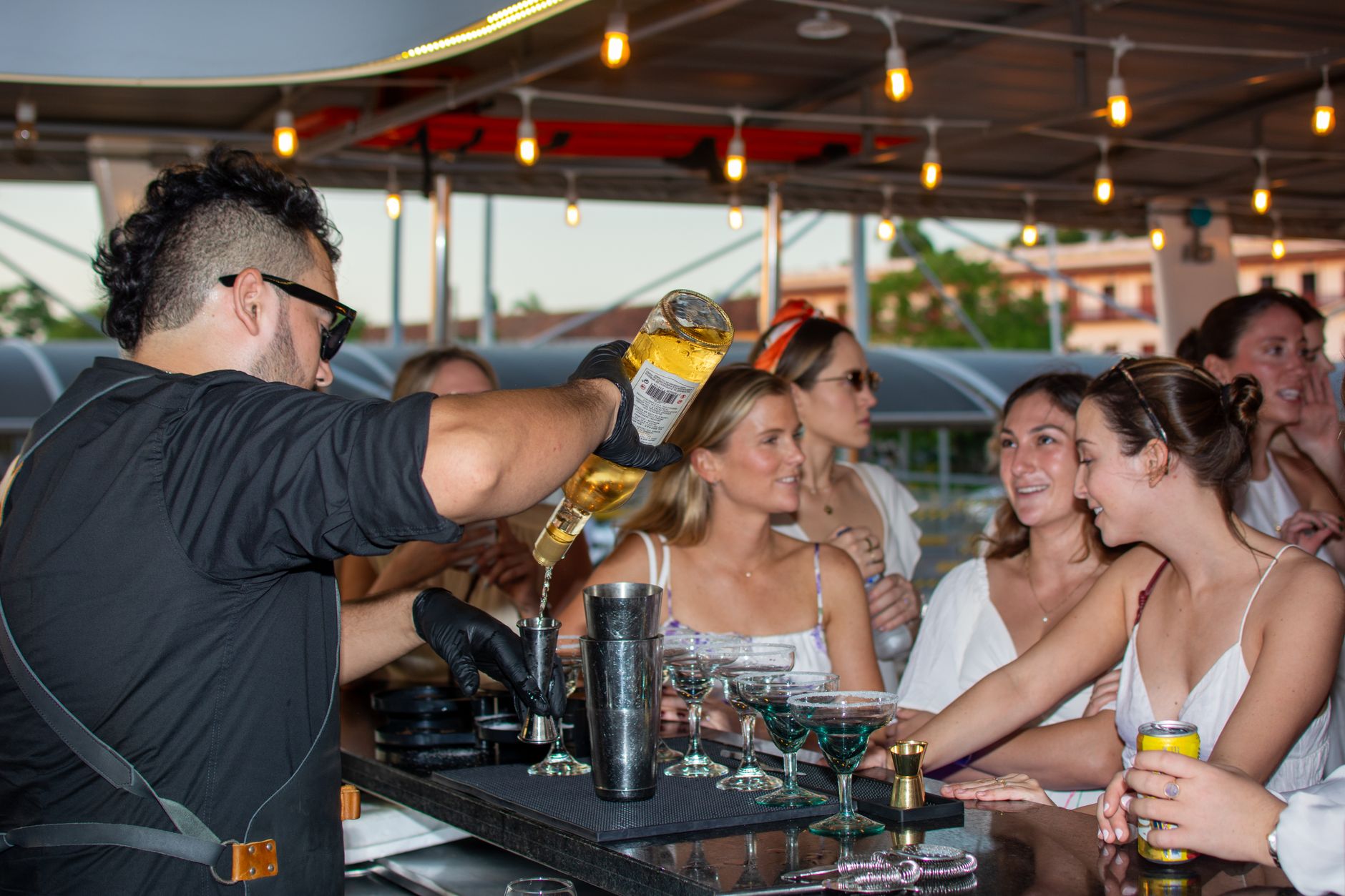
Understanding what an “open bar” means is essential for anyone planning a celebration or event. An open bar offers guests the chance to enjoy drinks without needing to pay for each beverage, contributing to a festive atmosphere. This guide explores the different types of open bars, how to set one up, what to serve, and considerations for hosts.
Whether you’re planning a wedding, corporate event, or birthday party, knowing the ins and outs of an open bar ensures you create a welcoming experience. It allows for thoughtful beverage selections while considering guest preferences and budget constraints.
What Does Open Bar Mean?
An open bar is a service option where drinks are provided free of charge to guests during a specified period. The host typically covers the cost, making it a popular choice for weddings, parties, and corporate events. An open bar can range from offering a limited selection of beverages to a fully stocked bar, catering to various preferences.
Types of Open Bars
Understanding the different types of open bars can help you decide which best suits your event. Here are the main categories:
Full Open Bar
A full open bar includes a wide variety of alcoholic and non-alcoholic beverages. This may consist of cocktails, beer, wine, spirits, soft drinks, and mixers. A full bar allows guests to choose from an extensive menu, ensuring everyone finds something they like.
Limited Open Bar
A limited open bar offers select drinks rather than a complete menu. This could mean providing only certain types of alcohol, like beer and wine, or offering a few signature cocktails. This option is generally more budget-friendly while still providing guests with enjoyable options.
Cash Bar
While not technically an open bar, a cash bar is where guests pay for their drinks. Sometimes, hosts may choose a combination of an open and cash bar, covering the first few drinks before transitioning to cash payment. This setup allows hosts to manage costs while still offering a celebratory atmosphere.
Complimentary Drink Tickets
Another option is to provide guests with drink tickets, which they can use for free beverages. This gives a sense of an open bar while limiting how much the host spends. Guests can either purchase additional drinks or simply enjoy what they have.
Setting Up an Open Bar
When considering an open bar for your event, several factors play an important role. Here are some steps to effectively set up an open bar:
1. Determine Your Budget
Understanding how much you are willing to spend is crucial. Full open bars can be expensive, especially if you’re serving premium liquors. Consider setting limits on your bar budget to avoid overspending.
2. Decide on the Bar Type
Based on your budget, choose the type of open bar that works best for your event. A limited open bar focused on beer and wine may be more adequate for a casual event, while full open bar is ideal for formal occasions.
3. Choose the Right Drink Selections
Once you’ve settled on the bar type, think about the drink selection. Here are a few categories you should include:
- Beer: Offer a selection of both light and dark beers, including local craft options.
- Wine: Choose both red and white wines, along with a sparkling option.
- Spirits: Include popular spirits like vodka, rum, gin, whiskey, and tequila.
- Mixers: Provide a variety of mixers such as soda, tonic water, fruit juices, and garnishes.
4. Hire Professional Bartenders
Having qualified bartenders ensures efficient service, superior drink preparation, and enhances the overall experience for guests. Look for professionals with experience and positive reviews.
5. Create a Drink Menu
Consider crafting a drink menu to give guests a sense of what is available. This can also simplify ordering for bartenders. Try to include a mix of classics and signature cocktails for variety.
What to Serve at an Open Bar
Choosing the right beverages is vital to creating an enjoyable experience for your guests. Below are recommendations for what to serve at your open bar:
Classic Cocktails
Offering classic cocktails allows guests to enjoy familiar flavors. Here are a few popular cocktail choices:
- Margaritas: A blend of tequila, lime juice, and triple sec, it’s a lively option perfect for festive events.
- Martinies: Offering both gin and vodka martinis caters to varying preferences.
- Mojitos: This refreshing drink combines white rum, sugar, lime juice, soda, and mint leaves.
- Old Fashioned: A classic choice that mixes whiskey, bitters, sugar, and a twist of citrus.
Signature Cocktails
Creating a signature cocktail personalized to your event’s theme or couple can be a memorable touch. Here are a couple of ideas:
- Gold Rush Cocktail: A flavorful blend of bourbon, honey syrup, and lemon juice.
- Custom Margarita: Consider a twist on traditional margaritas by utilizing flavored liqueurs such as Cointreau or adding fruits.
Mocktails
Don’t forget about guests who may prefer non-alcoholic options. Provide a selection of mocktails that mimic classic drinks:
- Virgin Mojito: Mint, lime, and soda water combine to create a refreshing drink.
- Shirley Temple: Ginger ale, grenadine, and a maraschino cherry make this a nostalgic favorite.
Beer and Wine
Make sure to have a good selection of beer and wine on hand. Here are some tips:
- Craft Beers: Support local breweries by including their selections.
- Red and White Wines: Have at least one type of each, considering guests’ preferences.
Considerations for Hosts
While planning an open bar can provide a welcoming atmosphere, certain considerations can help avoid common pitfalls:
1. Know Your Audience
Understanding your guests is essential. Consider their preferences, whether they favor cocktails, beer, or wine. Tailor your selections accordingly for maximum enjoyment.
2. Monitor Consumption
Keep an eye on drink consumption through your event. This may help to identify any guests that may need assistance regarding alcohol consumption.
3. Provide Water
Always ensure that water is available. Hydration is crucial, especially when alcohol is being served; this also shows consideration for your guests.
4. Set-Up a Backup Plan
Have a contingency plan if your bar selections run low. Preparing an adequate amount of each drink category will help mitigate shortages.
5. Entertainment
Consider having entertainment options available to keep guests engaged, which may also reduce pressure on the bar area. Entertainment can encourage socializing and pace consumption.
Cost-Saving Tips for an Open Bar
If planning a full open bar feels overwhelming financially, here are some practical tips to cut costs while maintaining a lively atmosphere.
1. Limit Premium Choices
While it’s tempting to offer premium liquor, consider selecting mid-range options. This keeps quality while reducing overall costs.
2. Choose Two Signature Cocktails
Limiting the cocktail offerings to two signature drinks can streamline your bar without sacrificing variety. Guests will appreciate the personalization!
3. Buy in Bulk
Purchasing beverages in bulk from wholesalers can help reduce costs significantly. Plan ahead and consider how much you will need based on the guest list.
4. Consider Outdoor Events
If you are hosting an outdoor event, consider a beer-and-wine-only setup. It’s less formal and often more cost-effective while still appealing to many guests.
5. Use Bartending Tools
Investing in basic bartending tools can encourage the self-service cocktail bar, allowing guests to mix their drinks while lightening the load on bartenders.
Common Mistakes with Open Bars
Here are some frequent missteps hosts make while organizing an open bar and how to avoid them:
1. Underestimating Consumption
Hosts often underestimate how much alcohol they need. To calculate consumption, assume that each guest will consume about 2 drinks in the first hour and 1 drink for each subsequent hour.
2. Lack of Variety
Providing only one type of drink can lead to disappointed guests. Ensure a balance of beer, wine, and cocktails to cater to different palates.
3. No Non-Alcoholic Options
Failing to serve non-alcoholic beverages can alienate guests who don’t drink. Always include soft drinks, juices, and mocktails.
4. Ignoring Legalities
Familiarize yourself with local regulations surrounding serving alcohol at events. Obtaining necessary permits and understanding licensing requirements is crucial.
5. Skipping the Bar Setup
A cluttered or poorly set up bar can create a frustrating experience. Prioritize effective layout and signage to keep things organized and flowing smoothly.
Conclusion
Understanding the ins and outs of open bars can enhance your event, allowing guests to relax and enjoy themselves without worrying about their tabs. By planning carefully—considering drinks, quantities, and guest preferences—you’ll create a fun and memorable atmosphere for all. Start with the basics and adjust according to the specific vibe of your gathering.
Explore related recipes and drink guides to complement your event by checking out our Gold Rush Cocktail recipe and our Cointreau Margarita recipe for signature drink ideas that your guests will love.