
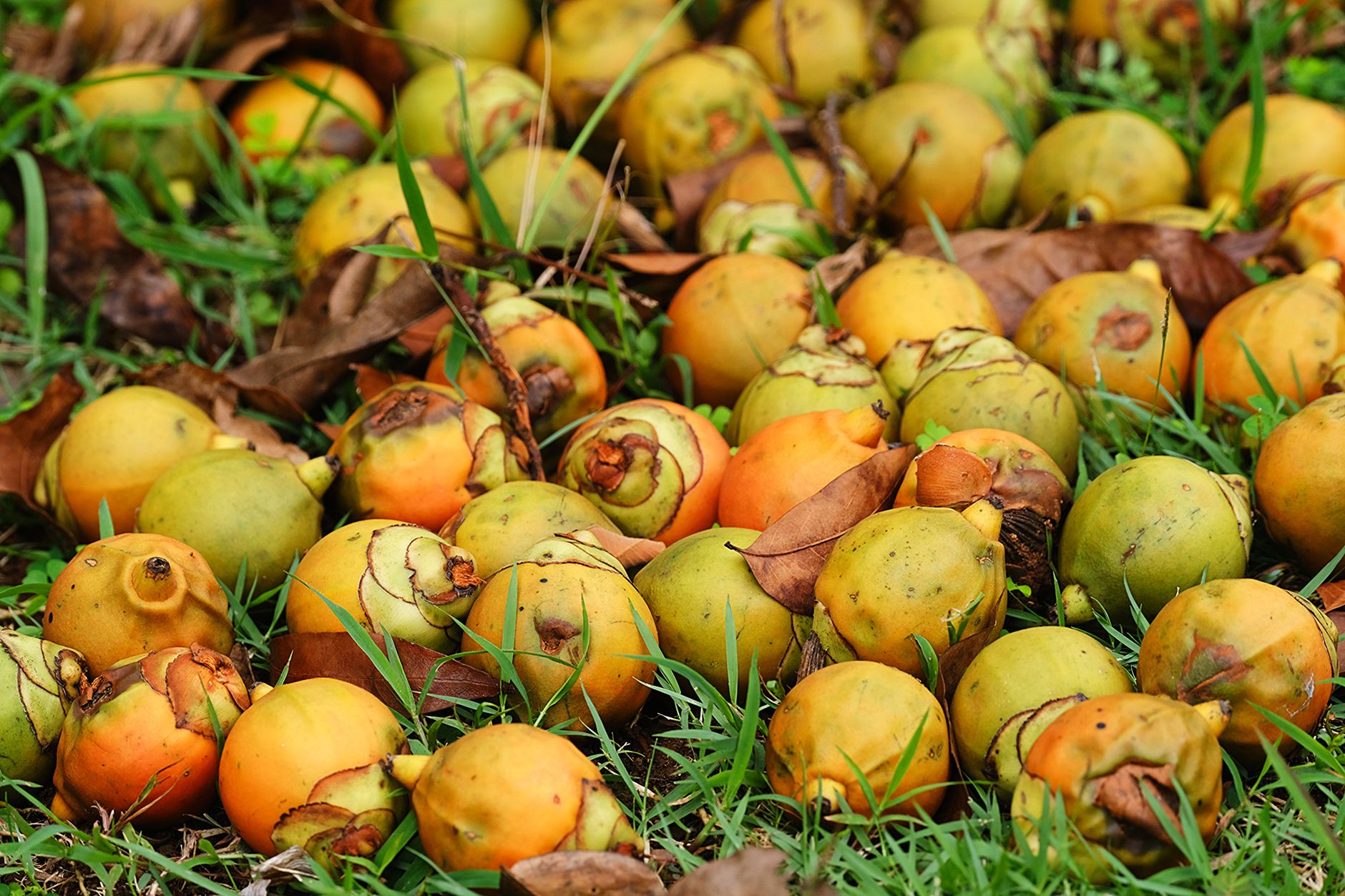
Betel nut, derived from the areca palm, is a traditional stimulant that has been consumed for centuries, particularly across Asia and the Pacific Islands. Its distinct flavor, often described as mildly sweet and slightly bitter, along with its energizing effects, makes it a popular choice in various cultures as both a culinary ingredient and a social activity.
Aside from its unique flavor profile, betel nut holds cultural significance in many societies, often served during gatherings and ceremonies. Understanding what betel nut is and how it can be integrated into various contexts is essential for those interested in regional cuisines or exploring new culinary experiences.
What Is Betel Nut?
Betel nut, also known as areca nut, is the seed of the areca palm (Areca catechu) and is usually chewed along with betel leaf. It is a key ingredient in many traditional preparations in countries such as India, Pakistan, Thailand, and Indonesia. The nut is often combined with slaked lime, spices, and sometimes sweeteners, resulting in a stimulating chew.
The active compound in betel nut, arecoline, has psychoactive properties, which contribute to its stimulant effects. Chewing betel nut is associated with a light euphoria, increased alertness, and improved social bonding. However, excessive consumption may lead to health risks, and it has been linked to various health issues, including oral cancers.
The Cultural Importance of Betel Nut
Betel nut is more than just a culinary ingredient; it is steeped in cultural traditions and social customs. In many South Asian cultures, it is a symbol of hospitality and respect. It’s often served during important events such as weddings, religious ceremonies, and social gatherings.
- In India, betel nut is commonly offered to guests as a gesture of welcome.
- In Southeast Asia, particularly among Malays and Indonesians, chewing betel nut is a part of daily life and is often accompanied by social rituals.
- In Pacific Island cultures, it is used in ceremonial contexts and is significant in local customs and practices.
Flavor and Texture Profile
The flavor of betel nut can be described as slightly nutty with a complex profile that ranges from a hint of sweetness to a more bitter undertone. Texture-wise, it is firm and fibrous, making it slightly challenging to chew, which is often a part of the experience.
When prepared with betel leaves and other accompaniments like slaked lime, sweeteners, and spices, the overall flavor can vary greatly depending on the combination used. The traditional use of spices such as cardamom or cloves often adds warmth and complexity, making the chewing experience more enjoyable.
How to Prepare and Consume Betel Nut
Preparing betel nut traditionally involves a few steps that enhance its flavor and the overall experience of chewing. Here is a simple guide on how to prepare betel nut:
- Start with fresh betel leaves. Wash and dry them thoroughly.
- Take a small piece of betel nut (about the size of a marble).
- Apply a small amount of slaked lime onto the interior of the betel leaf.
- Place the betel nut on top of the lime-coated leaf.
- Add any additional ingredients you desire, such as spices, sweeteners, or crushed tobacco.
- Fold the betel leaf over the nut and secure it with a toothpick if necessary.
- Chew slowly, allowing the flavors to blend.
Variations and Additions
There are several variations in how betel nut is prepared and enjoyed. Here are some popular options:
- With Sweeteners: Sugar or jaggery can be added to the betel preparation for a sweeter taste.
- Spiced Preparations: Customized blends of spices such as cardamom, cloves, and fennel seeds can enhance flavor.
- Tobacco: In some cultures, crushed tobacco is added for an extra kick; however, this can increase health risks.
Health Considerations
While betel nut has a long history of use and is culturally significant, there are important health implications to consider. Studies indicate that long-term consumption is associated with an increased risk of oral cancers and other health issues.
- Oral Health: Chewing betel nut can cause gum disease, tooth decay, and potentially lead to more severe oral health problems.
- Stimulant Effects: The arecoline in betel nut acts as a stimulant. While this can provide short-term alertness, it can lead to dependence for some individuals.
- Risk of Cancer: Epidemiological studies have linked betel nut consumption with a higher incidence of cancers of the mouth, esophagus, and other areas in heavy users.
Where to Buy Betel Nut
Betel nut can be found in specialty Asian markets, especially those catering to South Asian or Southeast Asian communities. It is available in various forms, including:
- Raw Betel Nut: Fresh seeds from the areca palm.
- Dried Betel Nut: Commonly used for longer shelf life and easier transportation.
- Pre-packaged Betel Mixes: These often include flavored nuts and spices for easy consumption.
When purchasing betel nut, look for high-quality, fresh products. Check for any signs of mold or spoilage, especially if buying fresh or dried nuts. Packaged options usually have a longer shelf life but should still be checked for expiration dates.
Storage Tips for Betel Nut
Proper storage is essential to maintaining the freshness of betel nut. Follow these guidelines:
- Fresh Betel Nut: Store in a cool, dry place and consume within a few days for optimal freshness.
- Dried Betel Nut: Keep in an airtight container away from direct sunlight; it can last for several months if stored properly.
- Pre-packaged Products: Follow the manufacturer’s recommendations for storage and always check the label for best-before dates.
Substitutions and Alternatives
If you cannot find betel nut or wish to avoid it due to health concerns, consider these alternatives:
- Flavored Chewing Gums: While not similar in effect, flavored gums can provide a similar sensation of chewing.
- Mints or Lozenges: Depending on your purpose (freshening breath, for instance), these can serve in the absence of betel nut.
- Chewing Other Nuts: Different types of nuts, like almonds or walnuts, can provide dietary benefits without some of the health risks associated with betel nut.
Common Mistakes When Using Betel Nut
Here are some common mistakes to avoid when using betel nut:
- Overconsumption: Chewing too much can lead to health complications; moderation is key.
- Neglecting Hygiene: Ensuring that your hands and equipment are clean is crucial when preparing betel nut to avoid contaminants.
- Using Too Much Lime: Lime enhances flavor, but too much can overpower the betel nut, masking its natural taste.
Betel Nut and Beverage Pairings
While betel nut is mainly chewed alone or with accompaniments, it can also be thoughtfully paired with beverages to enhance the experience:
- Chai or Masala Tea: The warming spices of chai complement the nutty flavor of betel nut.
- Coconut Water: The fresh, hydrating quality of coconut water provides a thorough contrast to the sweet-bitter taste.
- Fruit Juices: Citrus-based juices can balance the flavors when consumed alongside betel nut.
Exploring Regional Variations of Betel Nut Use
Different regions have unique ways of incorporating betel nut into their traditions:
- India: In Indian states, especially in West Bengal and Kerala, betel nut is often mixed with various spices and sold in local shops.
- Southeast Asia: In Thailand, betel nut is part of traditional rituals and is often chewed with a mixture called “miang,” which includes various spices, herbs, and sauces.
- Pacific Islands: In Fiji, betel nut is also referred to as “bula,” and it is chewed socially and during ceremonies.
Summary
Understanding betel nut is essential for appreciating its role in culinary traditions and cultural practices across various regions. From its flavor profile and preparation methods to the health implications, betel nut presents a unique intersection of gastronomy and culture. Enjoying it responsibly within traditional contexts can enhance both personal experiences and cultural appreciation.
Next time you are exploring the fare of South Asia or the Pacific Islands, consider incorporating betel nut into your experience. It may also be interesting to explore other traditional ingredients and their culinary uses, such as spices, herbs, and unique snacks from around the world.