
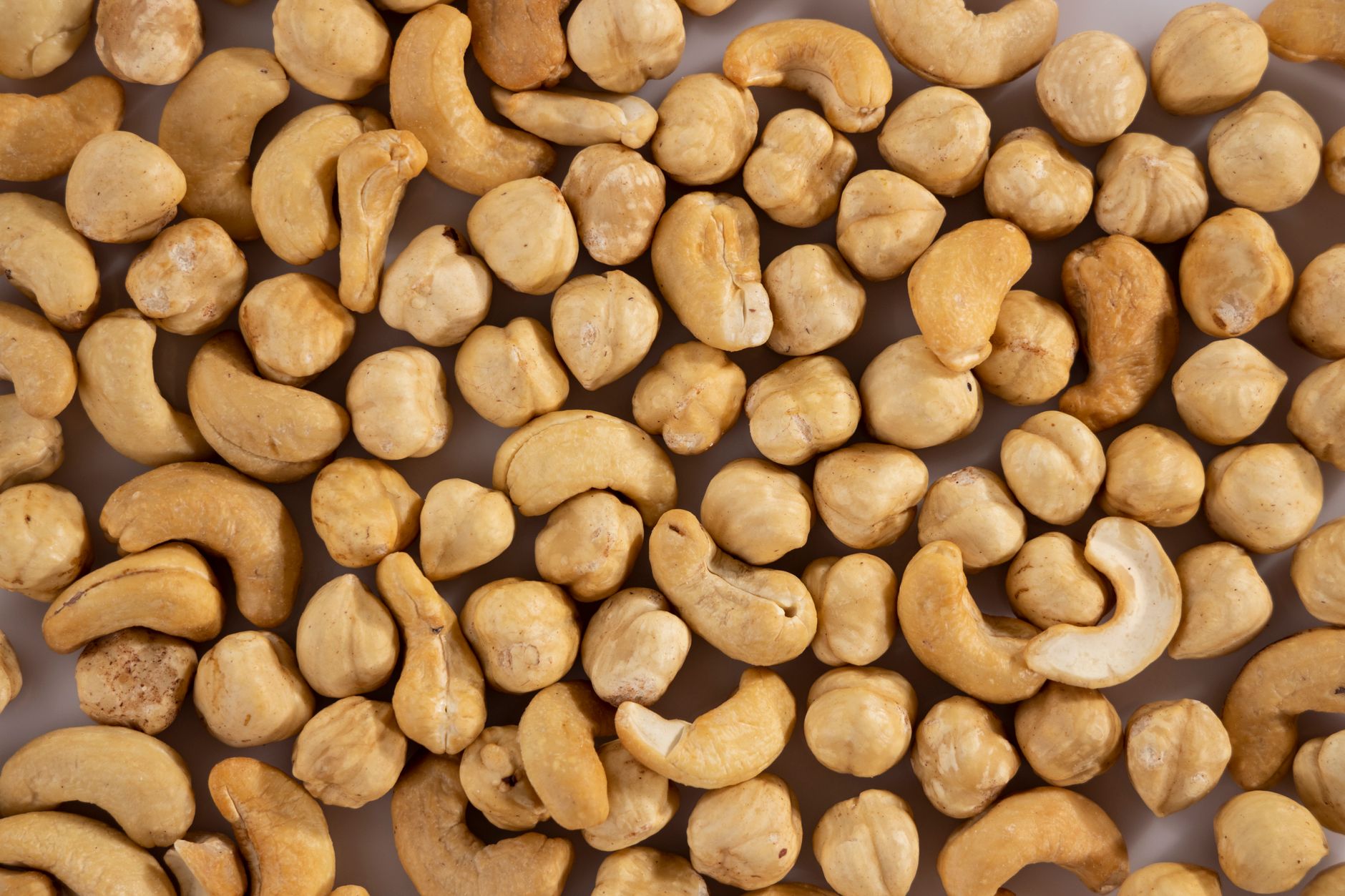
Many people enjoy cashews for their unique flavor and creamy texture, often incorporating them into various dishes. However, there is frequently confusion about whether cashews are classified as nuts. This comprehensive article delves into the identity of cashews, exploring their botanical classification, culinary uses, health benefits, and some common cooking techniques that can help you incorporate these delightful foods into your meals.
By understanding what cashews really are, you’ll be better equipped to make informed dietary choices and effectively utilize them in your cooking. Let’s clarify the question, “Is cashew a nut?” and dive deeper into the world of cashews.
Is Cashew A Nut?
Cashews are not technically classified as true nuts; they are seeds derived from the cashew apple, the fruit of the cashew tree (Anacardium occidentale). The cashew “nut” is actually a seed found within the cashew fruit, making it a drupaceous fruit rather than a true nut like almonds or walnuts.
To further clarify, botanical classifications categorize nuts as hard-shelled fruits that contain seeds. True nuts, like acorns and hazelnuts, are indehiscent, meaning they do not split open to release their seeds. In contrast, cashews are technically seeds and fall into the category of accessory fruits.
Botanical Classification of Cashews
The cashew tree originates from Brazil and is now cultivated in various tropical regions for its delicious seeds and succulent fruit. Here’s a closer look at the classification:
- Family: Anacardiaceae
- Genus: Anacardium
- Species: Anacardium occidentale
The cashew apple, a fleshy fruit that grows atop the seed, is often bright red or yellow and is edible, although not as commonly consumed outside of tropical regions. The cashew seed itself is encased in a shell that contains an allergenic resin known as urushiol, making the raw seed hazardous to eat. This is why cashews must be roasted or processed before they are sold as food.
Culinary Uses of Cashews
Cashews are incredibly versatile. You can use them in both sweet and savory dishes. Their creamy texture makes them a popular choice for making dairy alternatives, such as cashew milk and cashew cream. Here are some common culinary applications:
- Snack: Roasted and salted cashews are a common snack choice, perfect for quick energy boosts.
- Sauces: Blended cashews can create delicious creamy sauces that are dairy-free.
- Breakfast: Chopped cashews make a great topping for oatmeal or yogurt.
- Baking: Cashews can be used in cookies or cakes for added crunch.
- Salads: Toss raw or roasted cashews into salads for texture and flavor.
- Asian Cuisine: Cashews pair well with stir-fries, especially in dishes like Kung Pao chicken.
Health Benefits of Cashews
Cashews are not only delicious but also packed with nutrients. Here are some benefits of incorporating them into your diet:
- Nutritious: They are a rich source of vitamins and minerals, including magnesium, copper, and zinc.
- Healthy Fats: Cashews contain monounsaturated fats that can help improve heart health.
- Protein Source: They provide a good amount of plant-based protein, making them suitable for vegetarian and vegan diets.
- Antioxidants: Cashews contain antioxidants that can combat oxidative stress.
- Support Weight Management: Consuming cashews in moderation may help with weight management due to their satiating nature.
It’s essential to remember that while cashews do have health benefits, portion control is crucial due to their caloric density. A handful (about 1 oz or 28 grams) can be a reasonable serving size.
Cooking Techniques for Cashews
Whether you’re incorporating cashews into recipes or enjoying them as a snack, understanding how to prepare them properly enhances their flavor and texture. Below are some techniques for cooking and preparing cashews.
1. Roasting Cashews
Roasting cashews can enhance their flavors and provide a crunchy texture. Here’s how to do it:
- Preheat your oven to 350°F (175°C).
- Spread raw cashews in a single layer on a baking sheet.
- Roast in the oven for about 10-15 minutes, stirring halfway through to ensure even roasting.
- Once golden brown and fragrant, remove from the oven and let cool. Add salt if desired.
Keep an eye on them as they can burn quickly. Roasted cashews are perfect for snacking or using in various dishes.
2. Soaking Cashews
Soaking cashews is essential for recipes that require a creamy consistency, such as vegan cheese or creamy sauces. Here’s how to soak them:
- Place raw cashews in a bowl and cover them with water.
- Let them soak for 4-6 hours or overnight for best results.
- Drain and rinse the soaked cashews before using them in your recipe.
Soaked cashews become significantly softer and blend smoothly into a creamy texture.
3. Making Cashew Cream
Cashew cream is a fantastic dairy substitute and can be used in various recipes. Follow these steps:
- After soaking the cashews, drain and rinse them.
- Add them to a high-speed blender with a bit of water (about 1/2 cup for 1 cup of nuts).
- Blend until completely smooth. You may need to stop and scrape down the sides of the blender occasionally.
- Adjust the consistency by adding more water as needed.
This cashew cream can be used in soups, sauces, or desserts as a dairy alternative.
4. Adding to Smoothies
Incorporating cashews into smoothies adds creaminess and healthy fats. Follow these simple tips:
- Use soaked cashews for a smoother texture.
- Add a handful of cashews to your favorite fruit and vegetable smoothie.
- Pair with ingredients like bananas, spinach, or almond milk for a nutritious boost.
Practical Substitutions for Cashews
If you find yourself unable to use cashews or are looking for alternatives, here are some practical substitutions:
- Almonds: A great alternative for crunch. Use whole or sliced almonds.
- Pecans: These add sweetness and a rich flavor; perfect for salads and desserts.
- Sunflower Seeds: An excellent nut-free option suitable for those with allergies.
- Macadamia Nuts: Offer a creamy texture but are richer and denser.
- Hemp Seeds: Provide a good source of protein with a milder flavor.
When substituting, consider the flavor and texture differences, as they may alter the dish’s overall profile significantly.
Common Mistakes When Using Cashews
Even experienced cooks can make mistakes when using cashews. Here are some common pitfalls to avoid:
- Not soaking raw cashews when making creamy recipes can lead to grainy textures.
- Over-roasting cashews, which can lead to a burnt taste—keeping a close eye during roasting is recommended.
- Using raw cashews without proper preparation can be harmful because of the urushiol resin in the shell.
To ensure proper preparation, always purchase commercially available cashew products that have been pre-processed to remove toxins.
Storage and Reheating of Cashews
Storing cashews correctly is essential to maintain their freshness. Here are some guidelines:
- Raw Cashews: Store in an airtight container in a cool, dry place, ideally in the refrigerator for long shelf life.
- Roasted Cashews: They can be stored at room temperature for 2-3 weeks if kept in an airtight container.
- Cashew Cream: Store cashew cream in the refrigerator, where it will last about 4-5 days. You can also freeze it for up to 1-2 months.
Be mindful of any rancid odors when consuming cashews, as they can spoil due to their fat content.
Cashew Recipes to Try
Incorporating cashews into your meals can be rewarding. Here are some delicious ideas:
- Pistachio Cream Recipe: Use cashew cream to make a vibrant, nutty pistachio blend.
- Pistachio Paste Recipe: Combine cashews with pistachios for a unique spread.
Whether you are enjoying cashews as a snack or adding them to your meals, understanding their true nature, nutritional benefits, and cooking techniques opens up a world of culinary possibilities.
In your quest for interesting meals and snacks, consider trying recipes that feature cashews while also exploring other nuts and seeds to diversify your culinary experience.