
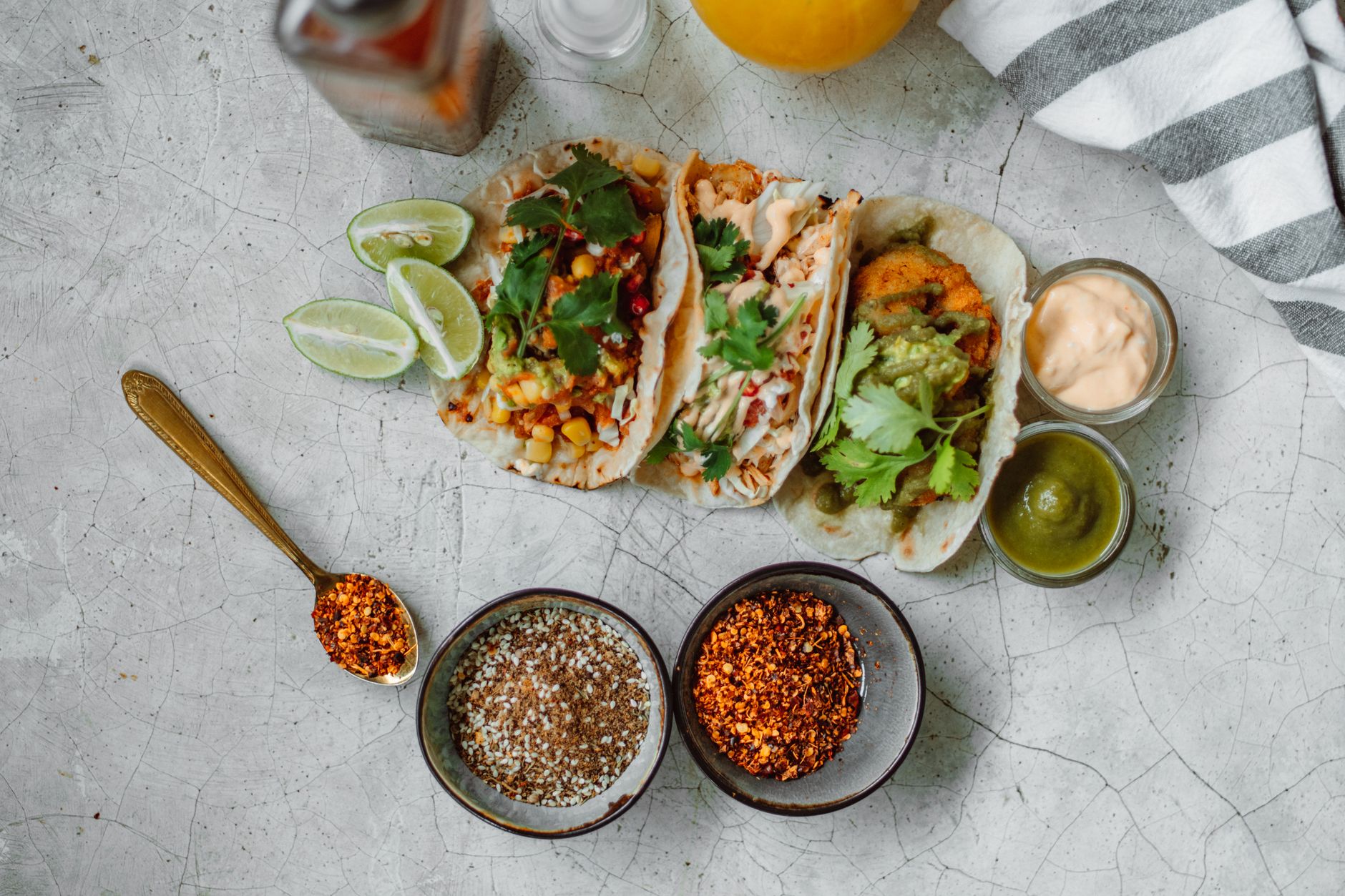
Taco seasoning is a staple in many kitchens, adding a burst of flavor to various dishes. Understanding the spices that comprise taco seasoning can elevate your cooking, whether you’re making classic tacos, nachos, or even soups and stews. In this guide, we’ll explore the key spices found in taco seasoning, their individual flavors, and how you can customize the mixture to suit your taste.
Whether you’re a seasoned cook or new to the kitchen, knowing what goes into taco seasoning can help you create delicious meals that reflect your culinary preferences. We’ll also cover common substitutions, practical tips for storage, and even some suggestions for how to use your homemade seasoning blend.
What Spices Are In Taco Seasoning?
The primary spices in taco seasoning typically include chili powder, cumin, paprika, garlic powder, onion powder, and oregano. These spices create a balanced and robust flavor profile perfect for a range of dishes. Let’s take a closer look at each spice and its role in this beloved blend.
Chili Powder
Chili powder is the backbone of taco seasoning, providing heat and depth. It’s made from ground dried chilies and often contains herbs and spices. Depending on the type of chili powder used, the heat level can vary from mild to very hot. When incorporating chili powder into your seasoning mix, remember that a little goes a long way.
Cumin
Cumin adds an earthy, warm flavor to taco seasoning. Its nutty and slightly peppery notes complement the other spices perfectly. Cumin is often toasted before being ground to enhance its flavor. This spice is a signature component of Latin American cuisine and provides an essential depth to the seasoning.
Paprika
Paprika is made from ground red peppers and can vary in heat and smokiness. Sweet paprika is the most common type found in taco seasoning, contributing a mild sweetness and vibrant color. For added flavor complexity, smoked paprika can be used, imparting a rich, smoky flavor to your dishes.
Garlic Powder
Garlic powder brings a strong, aromatic flavor to taco seasoning. It’s a convenient substitute for fresh garlic, offering a similar taste without the hassle of peeling and chopping. Garlic powder helps round out the blend, making your dishes more flavorful and fragrant.
Onion Powder
Onion powder adds sweetness and depth to taco seasoning, enhancing the overall flavor profile. Like garlic powder, onion powder is a quick and easy way to incorporate the taste of onions into your dishes without needing to use fresh onions. It pairs exceptionally well with garlic powder for a classic flavor combination.
Oregano
Oregano contributes a slightly bitter and aromatic flavor that helps to balance the spices in taco seasoning. Mexican oregano is often preferred for taco seasoning as it has a more citrus-like flavor compared to Mediterranean oregano. This herb ties together the other spices and adds an herbal note that is characteristic of Mexican cuisine.
How to Make Taco Seasoning at Home
Creating your taco seasoning at home is simple and allows you to control the flavor and heat levels. Here is a basic recipe to get you started.
Ingredients
- 2 tablespoons chili powder
- 1 tablespoon cumin
- 1 tablespoon paprika
- 1 teaspoon garlic powder
- 1 teaspoon onion powder
- 1 teaspoon oregano
- 1 teaspoon salt (optional)
- 1/2 teaspoon black pepper
- 1/4 teaspoon cayenne pepper (optional for heat)
Essential Equipment
- Measuring spoons
- Small mixing bowl
- Air-tight container for storage
Steps to Prepare Taco Seasoning
- In a small mixing bowl, combine all the spices and herbs.
- Mix well until thoroughly combined.
- Taste the mixture and adjust seasoning as needed, adding more cayenne for heat or salt for flavor.
- Transfer the taco seasoning to an air-tight container.
- Store in a cool, dry place for up to six months.
Practical Substitutions and Variations
If you’re out of a spice or prefer certain flavors, you can easily substitute some ingredients in your taco seasoning mix.
- Chipotle Powder: Replace half of the chili powder with chipotle powder for a smoky flavor and added heat.
- Fresh Herbs: If you have fresh herbs, you can use fresh oregano instead of dried. However, you may need to increase the quantity since dried herbs are more concentrated.
- Salt-Free Version: Omit the salt to make a low-sodium taco seasoning blend.
- Pineapple or Lime Zest: For a tropical twist, add a teaspoon of pineapple or lime zest for brightness.
Common Mistakes When Making Taco Seasoning
While making taco seasoning is relatively straightforward, there are a few common mistakes to avoid.
- Using Old Spices: Spices lose their potency over time. Ensure your spices are fresh to achieve the best flavor.
- Not Tasting As You Go: Adjusting seasoning to suit your preference is key. Always taste your mixture before using it.
- Overcomplicating It: Taco seasoning can be simple; don’t feel the need to add too many additional spices or ingredients. Stick to the basics for a classic flavor.
Using Taco Seasoning in Your Cooking
Taco seasoning is versatile and can be used in many recipes beyond just tacos. Here are some ideas on how to incorporate homemade taco seasoning into your meals:
- Ground Meat: Use it to season ground beef, turkey, chicken, or plant-based proteins for tacos, burritos, or bowls.
- Soups and Stews: Add a tablespoon or two to chili or vegetable soup for an extra kick of flavor.
- Roasted Vegetables: Toss vegetables in olive oil and taco seasoning before roasting for a spicy side dish.
- Fish Tacos: Use taco seasoning to coat fish fillets for a flavorful grilled or baked fish taco.
Storage and Shelf Life
Store your homemade taco seasoning in an air-tight container in a cool, dark place, such as a spice cabinet or pantry. Properly stored, taco seasoning can last for up to six months. However, it’s best to check the spices periodically for potency. If the aroma is weak or the flavor is diminished, it may be time to replace them.
Taco Seasoning and Dietary Preferences
For those with dietary restrictions, taco seasoning can easily accommodate various diets:
- Gluten-Free: All the spices listed are naturally gluten-free, making taco seasoning safe for those with gluten intolerance.
- Vegan: Taco seasoning contains no animal products, so it’s vegan-friendly.
- Low-Sodium: By omitting the salt or using a salt alternative, you can make a taco seasoning suitable for a low-sodium diet.
Conclusion
Understanding the spices that make up taco seasoning can enhance your culinary skills and allow you to create personalized blends that suit your taste. From chili powder to oregano, each spice plays a crucial role in delivering the rich and vibrant flavors associated with Mexican cuisine.
Ready to spice things up? Explore more about taco seasoning with these practical recipes: Old El Paso Taco Seasoning Recipe and Taco Bell Seasoning Recipe for more flavorful ideas.