
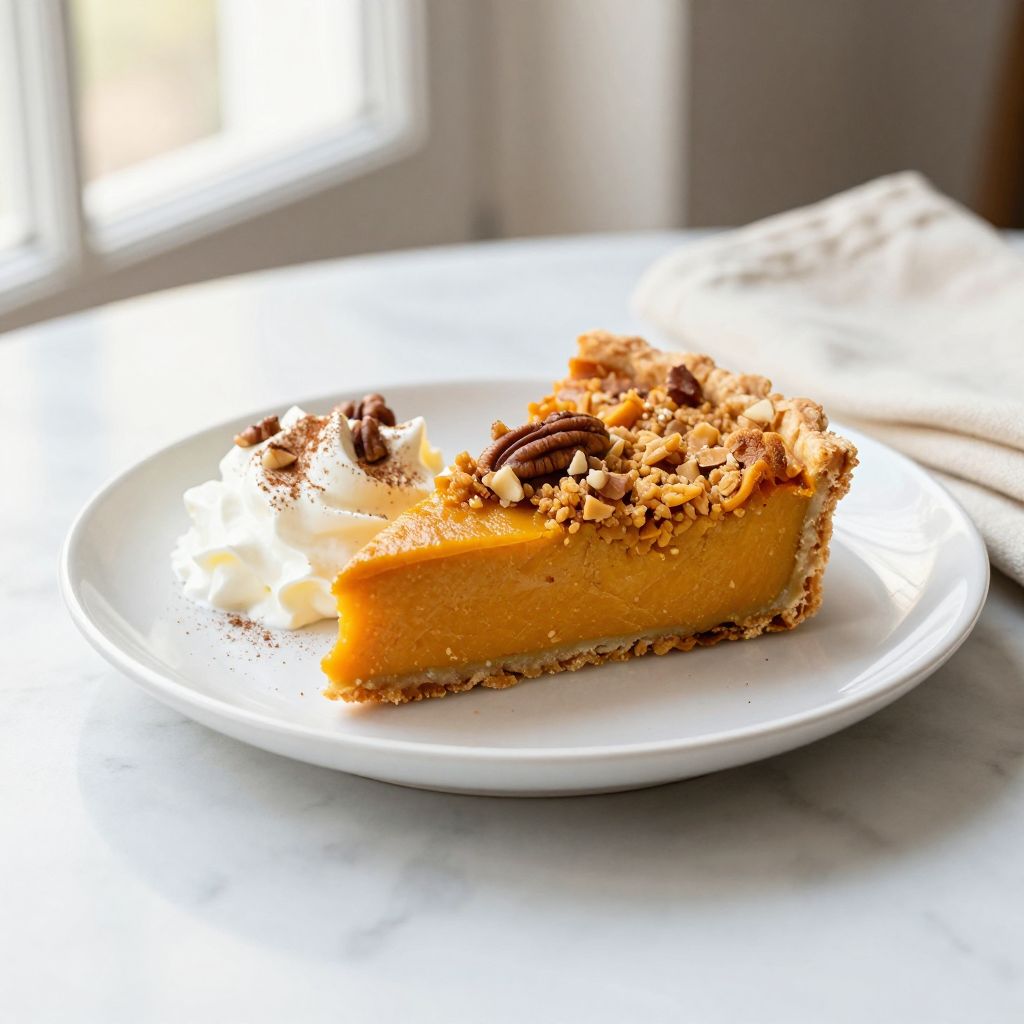
Pumpkin pie is a holiday staple that often leaves you with more than one pie or leftover slices, and the question of whether you can freeze it comes up every season. Freezing pumpkin pie is not only possible but can be a smart way to prepare ahead for gatherings or preserve what you can’t finish.
This guide will walk you through the best methods for freezing both baked and unbaked pumpkin pie, how to thaw it properly, and how to maintain the custard texture and flaky crust that make this dessert so beloved.
Can You Freeze Pumpkin Pie?
Yes, you can freeze pumpkin pie successfully for up to one month. Both baked and unbaked pumpkin pies freeze well when wrapped properly. The custard filling holds its texture better than you might expect, and the crust remains flaky if you follow the right thawing method. Freezing works best for traditional pumpkin pie without meringue or whipped cream toppings.
Why Pumpkin Pie Freezes Well
Pumpkin pie’s custard base is more forgiving than other cream-based desserts because it contains eggs, sugar, and pumpkin puree that stabilize during baking. The filling sets firmly enough to withstand freezing without separating or becoming watery when thawed.
The crust, whether homemade or store-bought, freezes equally well. Butter-based crusts maintain their flakiness, and the low moisture content prevents ice crystals from forming in the dough structure.
The spices in pumpkin pie—cinnamon, ginger, nutmeg, and cloves—actually help preserve flavor during freezing. These aromatic compounds are stable at low temperatures and taste just as vibrant after thawing.
How to Freeze Baked Pumpkin Pie
Freezing a fully baked pie is the most common approach and works beautifully when you want to prepare dessert well ahead of serving time.
Cooling the Pie Completely
Allow the pie to cool at room temperature for at least two hours after baking. The custard needs to set fully, and any residual heat will create condensation during freezing, which leads to a soggy crust.
Never freeze a warm pie. The temperature difference will cause ice crystals to form throughout the filling and compromise the texture.
Wrapping for Freezer Storage
Wrap the cooled pie tightly in two layers of plastic wrap, making sure the wrap touches the surface of the pie to prevent air exposure. Follow with a layer of aluminum foil to protect against freezer burn.
For extra protection, place the wrapped pie in a freezer-safe bag or airtight container. This double-barrier method keeps the pie fresh and prevents it from absorbing odors from other frozen foods.
Label the package with the date. Frozen baked pumpkin pie maintains best quality for up to one month, though it remains safe to eat for two months.
Freezing Individual Slices
If you have leftover slices rather than a whole pie, wrap each slice individually in plastic wrap and then foil. Place the wrapped slices in a freezer bag, pressing out as much air as possible before sealing.
Individual slices thaw faster than a whole pie and give you the flexibility to defrost only what you need. They’re ready to eat in about two hours at room temperature.
How to Freeze Unbaked Pumpkin Pie
Freezing an unbaked pie gives you the advantage of serving a fresh-from-the-oven dessert without the day-of prep work.
Assembling the Unbaked Pie
Prepare your pie crust and pumpkin filling according to your recipe. Pour the filling into the unbaked crust while it’s still in the pie dish.
Use a disposable aluminum pie pan if possible, as it can go directly from freezer to oven. If using a ceramic or glass dish, make sure it’s freezer-safe and can withstand the temperature change during baking.
Flash Freezing Before Wrapping
Place the unbaked pie in the freezer uncovered for one to two hours. This flash-freezing step prevents the plastic wrap from sticking to the filling surface.
Once the filling is firm to the touch, wrap the pie in plastic wrap and foil using the same double-layer method described for baked pies. Label with the date and baking instructions.
Baking from Frozen
Do not thaw an unbaked frozen pie before baking. Remove the wrapping and place the frozen pie directly in a preheated 425°F (220°C) oven.
Bake for 15 minutes at this higher temperature, then reduce the heat to 350°F (175°C) and continue baking for 50 to 70 minutes. The pie is done when the center is set but still has a slight jiggle, and a knife inserted near the edge comes out clean.
Add 15 to 20 minutes to the normal baking time to account for the frozen state. Cover the crust edges with foil or a pie shield if they brown too quickly.
How to Thaw Frozen Pumpkin Pie
Proper thawing preserves the texture and prevents a soggy crust, which is the most common complaint when freezing custard pies.
Refrigerator Thawing Method
The refrigerator method is the safest and produces the best results. Remove the pie from the freezer and unwrap it completely to prevent condensation from collecting on the surface.
Place the pie on a plate or baking sheet and refrigerate for six to eight hours or overnight. This gradual thawing keeps the custard smooth and the crust crisp.
Let the pie sit at room temperature for 30 minutes before serving to take the chill off and allow the flavors to open up.
Room Temperature Thawing
If you need the pie sooner, you can thaw it at room temperature for two to three hours. Keep it unwrapped and place it on a wire rack to allow air circulation underneath, which helps prevent the bottom crust from becoming soggy.
Do not leave the pie at room temperature for more than four hours total, as the custard contains dairy and eggs that require refrigeration for food safety.
Reheating Thawed Pie
Pumpkin pie is traditionally served chilled or at room temperature, but you can gently reheat it if you prefer it warm. Place the thawed pie in a 300°F (150°C) oven for 15 to 20 minutes.
Cover the crust edges with foil to prevent over-browning. The pie is ready when the filling is just warm to the touch in the center.
Common Mistakes When Freezing Pumpkin Pie
Freezing pumpkin pie with whipped cream or meringue topping leads to poor results. These toppings become watery and deflate during thawing. Always freeze the pie plain and add fresh toppings after thawing.
Using single-layer wrapping allows freezer burn and odor absorption. The double wrap of plastic and foil is essential for maintaining quality beyond two weeks.
Thawing the pie in the microwave creates uneven heating and can cause the custard to separate or become rubbery. Always use refrigerator or room-temperature thawing.
Refreezing a thawed pumpkin pie significantly degrades texture and flavor. The custard becomes grainy and the crust turns soggy. Freeze only once.
Tips for Best Results
Use fresh, high-quality ingredients when making a pie intended for freezing. The freezing process preserves what’s there but doesn’t improve quality, so start with the best pumpkin puree, eggs, and spices you can find.
Blind-bake your crust for five minutes before adding the filling if you’re freezing an unbaked pie. This creates a barrier that helps prevent sogginess during the freeze-thaw cycle.
Write clear baking instructions on the label if freezing unbaked pies for gifts or future use. Include oven temperature, baking time, and any special notes about covering the crust.
Invest in a pie carrier or sturdy freezer container if you freeze pies regularly. These protect the delicate crust and filling from freezer damage and make storage more organized.
How Freezing Affects Texture and Flavor
A properly frozen and thawed pumpkin pie tastes remarkably similar to fresh. The spices remain aromatic, the custard stays creamy, and the crust maintains its structure.
You may notice a slightly softer custard texture compared to a never-frozen pie, but this difference is minimal and most people can’t detect it in a blind tasting. The crust may lose a fraction of its crispness, but this is easily restored with a brief reheating.
The biggest flavor change occurs after one month in the freezer, when the spices begin to fade and the overall taste becomes less vibrant. For peak quality, plan to use frozen pumpkin pie within three to four weeks.
Storage Guidelines for Thawed Pie
Once thawed, treat pumpkin pie like a fresh-baked pie. Store it covered in the refrigerator and consume within three to four days.
The custard filling contains eggs and dairy, so it must be refrigerated within two hours of reaching room temperature to prevent bacterial growth. Never leave thawed pumpkin pie out overnight.
If you notice any off smells, mold, or significant texture changes after thawing, discard the pie. While rare with proper freezing and thawing, these signs indicate the pie is no longer safe to eat.
Frequently Asked Questions
Can you freeze pumpkin pie from the grocery store?
Yes, store-bought pumpkin pies freeze just as well as homemade versions. Keep the pie in its original packaging if unopened, or wrap it using the same method as homemade pies if already opened or served.
Does freezing change the nutritional value?
Freezing has minimal impact on the nutritional content of pumpkin pie. Vitamins and minerals remain stable at freezer temperatures, though vitamin A may degrade slightly over extended storage beyond two months.
Can you freeze pumpkin pie filling separately?
Yes, you can freeze prepared pumpkin pie filling in an airtight container for up to three months. Thaw it in the refrigerator, whisk it smooth, and pour it into a fresh unbaked crust. This method works well if you want to bake the crust separately for maximum crispness.
What’s the best way to freeze mini pumpkin pies?
Freeze mini pies using the same wrapping method as full-size pies. Because they’re smaller, they thaw in about three hours at room temperature or overnight in the refrigerator. Individual wrapping allows you to thaw only the number you need.
Can you freeze pumpkin pie in a glass dish?
You can freeze pumpkin pie in a glass dish if it’s labeled freezer-safe and tempered. Pyrex and similar brands designed for temperature extremes work well. Avoid putting a frozen glass dish directly into a hot oven, as the thermal shock can cause cracking.
Freezing pumpkin pie opens up new possibilities for holiday planning and reduces food waste without sacrificing quality. Whether you’re making pies ahead for Thanksgiving or preserving leftovers from a celebration, these techniques ensure your dessert tastes freshly baked when it reaches the table. For more seasonal dessert ideas, explore our pumpkin crunch recipe and learn how to store banana bread for other baked goods that benefit from proper storage techniques.