
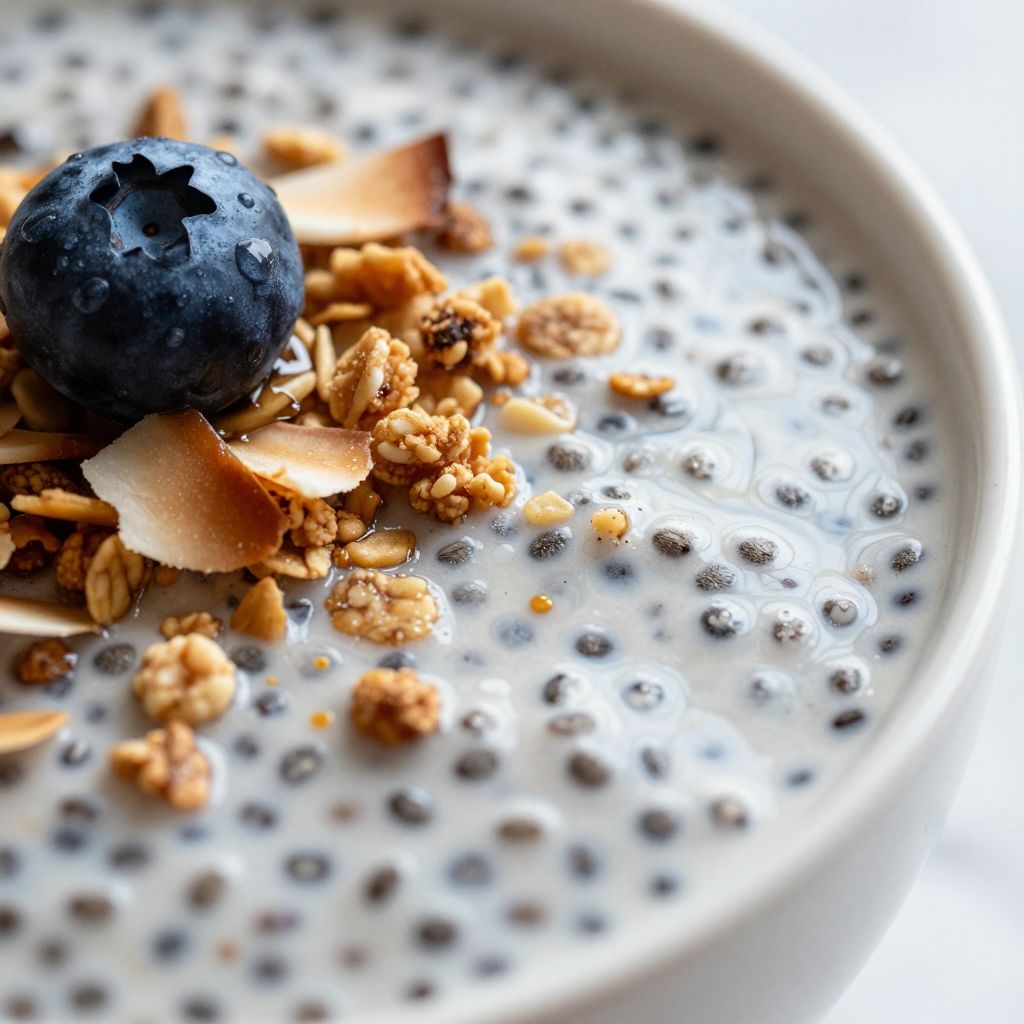
Chia seeds have moved from health-food niche to mainstream pantry staple, showing up in everything from smoothie bowls to overnight oats. These tiny seeds pack impressive nutrition and culinary versatility, making them a practical choice for anyone looking to boost the nutrient density of everyday meals. This article explains what chia seeds offer nutritionally, how they work in cooking, and how to use them effectively in your kitchen.
Chia seeds are popular because they deliver a concentrated source of fiber, omega-3 fatty acids, protein, and minerals in a form that’s easy to add to meals without changing flavor profiles. Their ability to absorb liquid and form a gel makes them useful for thickening, binding, and creating satisfying textures in both sweet and savory dishes.
What Are the Main Nutritional Benefits of Chia Seeds?
Chia seeds provide fiber, plant-based omega-3 fatty acids, protein, calcium, magnesium, and phosphorus in a small serving. Two tablespoons of chia seeds contain approximately 10 grams of fiber, 5 grams of protein, and 5 grams of omega-3 ALA, along with significant amounts of minerals that support bone health and energy metabolism.
These seeds are also low in digestible carbohydrates despite their total carb count, because most of those carbohydrates come from fiber. This makes them a practical addition to meals when you want to increase satiety without adding refined sugars or starches.
How Fiber in Chia Seeds Supports Digestion
The fiber in chia seeds is mostly soluble, which means it absorbs water and forms a gel in your digestive tract. This slows digestion and helps you feel full longer after a meal.
Soluble fiber also supports healthy gut bacteria and can help regulate bowel movements. When you add chia seeds to your diet, increase your water intake to help the fiber do its work effectively and avoid digestive discomfort.
Two tablespoons of chia seeds provide about one-third of the daily fiber recommendation for adults. This makes them one of the most fiber-dense foods you can add to a meal without significant prep work.
Omega-3 Fatty Acids and Heart Health
Chia seeds are one of the richest plant sources of alpha-linolenic acid, or ALA, a type of omega-3 fatty acid. Your body converts a small percentage of ALA into EPA and DHA, the omega-3s found in fish, though this conversion is not highly efficient.
ALA itself supports cardiovascular health by helping to reduce inflammation and maintain healthy cholesterol levels. For people who don’t eat fish regularly, chia seeds offer a convenient way to include omega-3s in their diet.
Because omega-3 fats are sensitive to heat and light, store chia seeds in a cool, dark place or in the refrigerator to preserve their quality over time.
Protein Content and Amino Acid Profile
Chia seeds contain all nine essential amino acids, making them a complete protein source. While the total protein per serving is modest compared to beans or tofu, chia seeds still contribute useful protein to meals, especially when combined with other plant-based foods.
The protein in chia seeds supports muscle maintenance and repair. Adding chia to smoothies, yogurt, or oatmeal increases the protein content of those meals without requiring extra cooking or preparation.
Minerals That Support Bone and Metabolic Health
Chia seeds deliver notable amounts of calcium, magnesium, and phosphorus, all of which play roles in bone density and strength. Two tablespoons provide roughly 18 percent of the daily recommended calcium intake.
Magnesium supports energy production and muscle function, while phosphorus works alongside calcium to build and maintain bone tissue. These minerals make chia seeds a practical addition to diets that may lack dairy or fortified foods.
The mineral content in chia seeds is bioavailable, meaning your body can absorb and use these nutrients effectively when you consume the seeds as part of a balanced meal.
How Chia Seeds Help Manage Blood Sugar
The combination of fiber, protein, and healthy fats in chia seeds slows the breakdown of carbohydrates into sugar during digestion. This helps prevent rapid spikes in blood glucose after meals.
Several studies suggest that adding chia seeds to carbohydrate-rich meals can reduce post-meal blood sugar rises. This makes them a practical tool for anyone managing blood sugar levels or looking to maintain steady energy throughout the day.
To take advantage of this benefit, add chia seeds to meals that contain grains, fruit, or other carbohydrate sources. The gel they form when mixed with liquid further slows digestion and supports more gradual glucose release.
Antioxidant Properties
Chia seeds contain antioxidants including chlorogenic acid, caffeic acid, and quercetin. These compounds help protect the fats in the seeds from oxidation, which is why chia seeds stay fresh longer than flaxseeds without refrigeration.
Antioxidants also support overall health by reducing oxidative stress in the body. While chia seeds are not a cure-all, their antioxidant content adds to their overall nutritional value.
Practical Ways to Use Chia Seeds in Cooking
Chia seeds work best when you let them absorb liquid before eating. This activates their gel-forming ability and makes their nutrients more accessible.
Chia Pudding
Mix three tablespoons of chia seeds with one cup of milk or a plant-based alternative. Stir well, refrigerate for at least two hours or overnight, and top with fruit, nuts, or a drizzle of honey. The seeds will absorb the liquid and create a pudding-like texture.
Smoothie Thickener
Add one to two tablespoons of chia seeds directly to your blender with the other smoothie ingredients. The seeds will thicken the smoothie and add body without changing the flavor.
Egg Substitute in Baking
Combine one tablespoon of chia seeds with three tablespoons of water. Let the mixture sit for five minutes until it forms a gel. Use this chia gel in place of one egg in muffins, pancakes, or quick breads.
Oatmeal and Yogurt Mix-Ins
Stir a tablespoon of chia seeds into hot oatmeal or yogurt and let it sit for a few minutes. The seeds will soften and blend into the texture of the dish while boosting fiber and protein.
Salad Dressing Stabilizer
Whisk a teaspoon of chia seeds into homemade vinaigrettes. They help emulsify the dressing and keep the oil and vinegar from separating as quickly.
Breading and Coating
Mix ground chia seeds with breadcrumbs or almond flour to coat chicken, fish, or vegetables before baking. The seeds add a subtle crunch and extra nutrients to the crust.
How Much Chia Should You Eat?
A typical serving is one to two tablespoons per day. This amount provides substantial fiber and omega-3s without overwhelming your digestive system.
If you’re new to chia seeds, start with one tablespoon and increase gradually over a week or two. Drink plenty of water throughout the day to help the fiber move through your system comfortably.
Because chia seeds are calorie-dense, measure your portions if you’re tracking intake. Two tablespoons contain roughly 140 calories, mostly from healthy fats.
Choosing and Storing Chia Seeds
Chia seeds come in black and white varieties. Both offer the same nutritional profile and culinary properties, so choose based on availability and preference.
Look for seeds that are uniform in color and free from debris. They should have a mild, neutral aroma. Avoid seeds that smell rancid or musty.
Store chia seeds in an airtight container in a cool, dark pantry for up to two years, or refrigerate them to extend freshness even longer. Their natural antioxidants protect the oils from spoiling quickly.
Common Mistakes When Using Chia Seeds
Eating them dry without enough liquid. Chia seeds absorb up to twelve times their weight in water. If you eat them dry and don’t drink enough water, they can cause digestive discomfort or even blockages in rare cases. Always pair chia with adequate hydration.
Adding too much too quickly. Jumping from zero to several tablespoons of chia per day can lead to bloating and gas. Introduce them gradually to give your digestive system time to adjust to the increased fiber.
Expecting them to replace whole foods. Chia seeds are nutrient-dense, but they don’t provide the full range of vitamins, phytonutrients, and variety you get from vegetables, fruits, whole grains, and protein sources. Use them as a supplement to a varied diet, not a shortcut.
Not grinding them when you want maximum absorption. Whole chia seeds pass through your digestive system intact if you don’t chew them thoroughly. Grinding them in a spice grinder or blender breaks down the outer shell and makes their nutrients more accessible.
Chia Seeds and Food Safety
Chia seeds are generally safe for most people when consumed in normal culinary amounts. They are naturally gluten-free and low in allergens.
People taking blood thinners or blood pressure medication should talk to a healthcare provider before adding large amounts of chia to their diet, as the omega-3s and fiber can interact with certain medications.
Pregnant and breastfeeding individuals can safely include chia seeds in their diets as part of balanced meals. The fiber and omega-3s support overall nutrition during these periods.
How Chia Seeds Compare to Flaxseeds
Both chia and flaxseeds offer fiber, omega-3 ALA, and protein, but they differ in use and storage. Chia seeds can be eaten whole or ground and stay fresh without refrigeration. Flaxseeds must be ground to access their nutrients and should be refrigerated to prevent rancidity.
Chia forms a gel when mixed with liquid, while ground flax does not create the same texture. This makes chia better suited for puddings and thickening, while flax works well as a simple mix-in or baking ingredient.
Both seeds are valuable kitchen staples. Choose based on the texture and application you need, or keep both on hand for different uses.
Frequently Asked Questions
Can chia seeds help with weight loss?
Chia seeds support satiety because of their high fiber and protein content, which can help you feel full longer after meals. This may reduce overall calorie intake if you use them to replace less nutrient-dense foods. However, chia seeds alone do not cause weight loss. They work best as part of a balanced diet and active lifestyle.
Do I need to soak chia seeds before eating them?
Soaking chia seeds makes them easier to digest and allows them to form their characteristic gel. You can eat them dry if you drink plenty of water, but soaking is the safer and more effective approach for most recipes and snacks.
Are chia seeds safe for children?
Yes, chia seeds are safe for children when introduced in age-appropriate amounts and textures. Start with small quantities mixed into familiar foods like yogurt or oatmeal. Make sure children drink enough water, and avoid giving whole dry seeds to very young children to prevent choking.
Can I cook chia seeds?
You can add chia seeds to baked goods, cooked grains, and sauces. High heat may degrade some of the omega-3 content, but the fiber, protein, and minerals remain intact. For maximum omega-3 benefit, add chia seeds to dishes after cooking or use them in no-cook preparations.
How long do chia seeds last?
Properly stored chia seeds stay fresh for up to two years in a cool, dark pantry. Refrigeration can extend their shelf life even further. Check for off smells or flavors before using older seeds, though rancidity is rare due to their natural antioxidant content.
Making Chia Seeds Part of Your Routine
Chia seeds offer a simple way to increase fiber, omega-3s, protein, and minerals in meals you already make. Their neutral flavor and versatile texture make them easy to incorporate into breakfast, snacks, and even savory dishes without requiring new recipes or complicated techniques.
Start with one tablespoon per day, drink plenty of water, and experiment with different applications to find what works best for your cooking style and preferences. Whether you stir them into oatmeal, blend them into smoothies, or use them to thicken sauces, chia seeds deliver practical nutrition with minimal effort.
For more guidance on ingredient freshness and kitchen staples, explore our articles on do chia seeds go bad and what is molasses made from to deepen your understanding of how to select, store, and use versatile ingredients in your everyday cooking.