
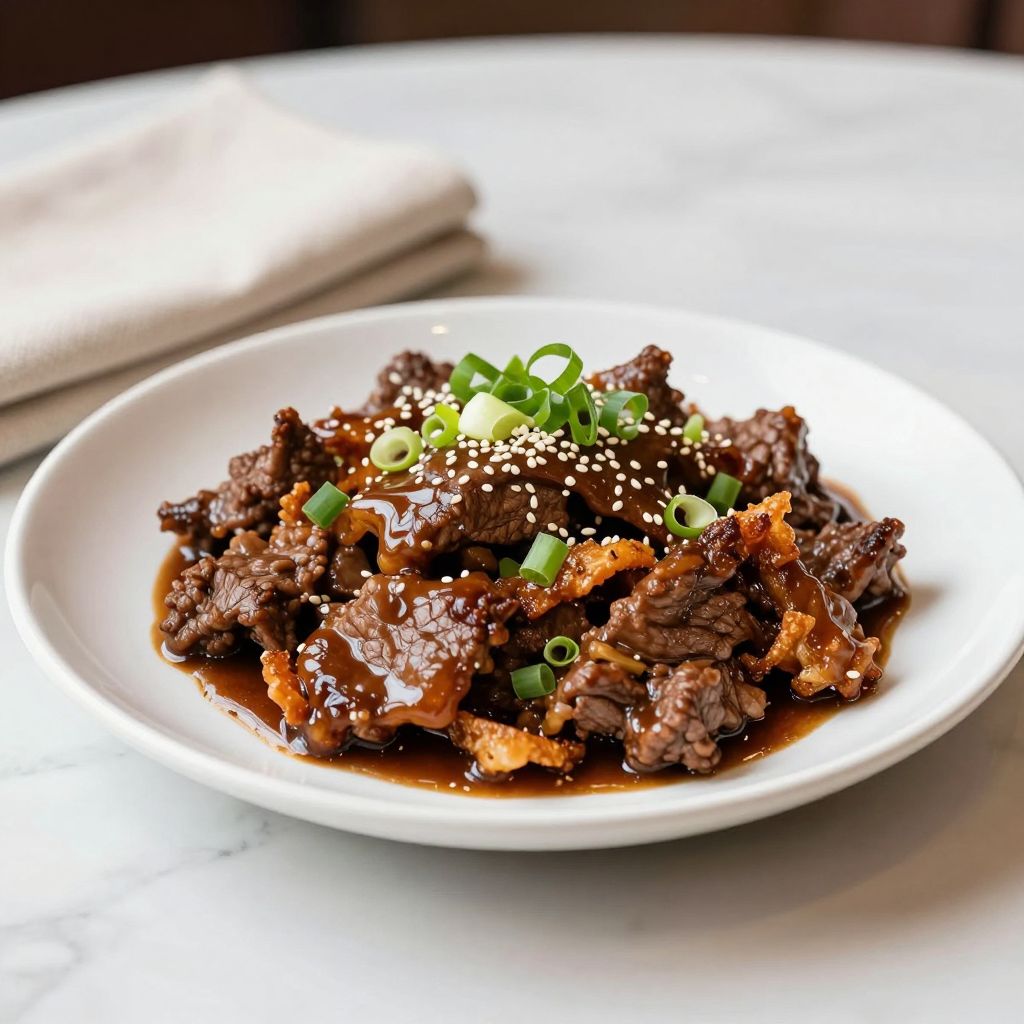
You cooked a batch of ground beef for tacos or pasta, used what you needed, and now you’re wondering how long the leftovers will stay safe in the refrigerator. Knowing the correct storage window helps you avoid waste and keeps your family safe from foodborne illness. This guide explains exactly how long cooked ground beef lasts, how to store it properly, and how to tell when it’s gone bad.
How Long Does Cooked Ground Beef Last in the Refrigerator?
Cooked ground beef stays safe in the refrigerator for three to four days when stored properly at 40°F (4°C) or below. This timeframe applies whether you’ve browned plain ground beef, made taco meat, Bolognese sauce, or any other cooked preparation. The USDA sets this standard because harmful bacteria can multiply to dangerous levels after four days, even when beef looks and smells fine.
Why the Four-Day Limit Matters
Ground beef has more surface area exposed to bacteria than whole cuts because the grinding process spreads any surface bacteria throughout the meat. Cooking kills most harmful organisms, but it doesn’t sterilize the beef completely. Bacteria from your hands, utensils, or the air can land on cooked meat during cooling and storage.
These bacteria multiply slowly in cold temperatures but steadily enough that food safety experts recommend the three-to-four-day window as a conservative safety margin. Refrigeration slows bacterial growth but doesn’t stop it.
Proper Storage Methods for Maximum Freshness
How you store cooked ground beef directly affects how long it stays good. Follow these steps to get the full three to four days of safe storage.
Cool It Quickly
Don’t leave cooked ground beef at room temperature for more than two hours, or one hour if your kitchen is warmer than 90°F (32°C). Bacteria multiply rapidly in the temperature danger zone between 40°F and 140°F (4°C and 60°C).
Spread the beef in a shallow container so it cools faster. A layer no deeper than two inches will drop to refrigerator temperature within two hours. You can refrigerate warm food directly—modern refrigerators handle the slight temperature increase without compromising other items.
Choose the Right Container
Store cooked ground beef in airtight containers or resealable plastic bags. Glass or plastic food storage containers with tight-fitting lids work well. If using bags, press out as much air as possible before sealing.
Airtight storage prevents the beef from drying out and keeps it from absorbing odors from other refrigerator items. It also minimizes exposure to airborne bacteria.
Label and Date Everything
Write the storage date on the container with a permanent marker or use masking tape as a label. When you’re staring at three different containers of brown meat, you won’t have to guess which one is still good.
Position Matters in Your Refrigerator
Store cooked ground beef on a shelf, not in the door. The door experiences the most temperature fluctuation every time you open the refrigerator. The back of the middle or lower shelf maintains the most consistent cold temperature.
Keep the beef away from raw meats to prevent cross-contamination. If you must store them near each other, always place cooked items above raw items so drips can’t contaminate ready-to-eat food.
Signs Your Cooked Ground Beef Has Gone Bad
Even within the four-day window, check for spoilage before eating leftover ground beef. Trust your senses, but remember that dangerous bacteria don’t always produce obvious signs.
Visual Clues
Fresh cooked ground beef maintains its brown color, though it may darken slightly. Discard beef that develops gray, green, or white patches. Visible mold, which appears as fuzzy spots, means the entire container should go in the trash.
Smell Test
Spoiled ground beef develops a sour, ammonia-like, or otherwise unpleasant odor. Cooked beef should smell meaty and savory. Any off smell means bacteria have multiplied beyond safe levels.
Texture Changes
Cooked ground beef that has gone bad may develop a slimy or sticky surface. This slime is a bacterial film. Fresh cooked beef feels moist but not slippery.
When in doubt, throw it out. The cost of replacing a pound of ground beef is far less than the misery of food poisoning.
Extending Storage Through Freezing
If you won’t use cooked ground beef within four days, freeze it. Properly frozen cooked ground beef maintains best quality for two to three months and stays safe indefinitely at 0°F (-18°C) or below.
Cool the beef completely before freezing. Divide large batches into meal-sized portions so you can thaw only what you need. Flatten ground beef in freezer bags to about one inch thick—this shape thaws faster and stacks efficiently.
Remove as much air as possible from bags or containers to prevent freezer burn. Label each package with the contents and date. Frozen cooked ground beef works well in casseroles, soups, tacos, and pasta sauces where texture matters less than in a dish served on its own.
Safe Thawing and Reheating Practices
Thaw frozen cooked ground beef in the refrigerator overnight, never on the counter. For faster thawing, submerge the sealed package in cold water, changing the water every thirty minutes. You can also thaw and reheat simultaneously in the microwave if you’ll use the beef immediately.
Reheat cooked ground beef to an internal temperature of 165°F (74°C). Use a food thermometer to verify the temperature in the thickest part. Bring sauces and soups containing ground beef to a rolling boil, then simmer for at least one minute.
Reheat only the portion you plan to eat. Each cooling and reheating cycle increases the risk of bacterial contamination and degrades the texture and flavor of the meat.
Common Mistakes That Shorten Storage Life
Leaving cooked ground beef uncovered in the refrigerator exposes it to air and bacteria while drying out the surface. Always use airtight storage.
Storing beef in containers that are too large leaves excess air around the food, promoting oxidation and faster spoilage. Choose containers that closely match the volume of food.
Repeatedly opening the container to take small portions introduces new bacteria each time. Instead, divide large batches into smaller containers based on how you’ll use them.
Refrigerating ground beef that sat at room temperature too long during a meal or party creates a safety risk even if you store it properly afterward. The two-hour rule applies to the total time at room temperature, not just the time before refrigeration.
Using Cooked Ground Beef Throughout the Week
Batch cooking ground beef saves time during busy weeks. Brown several pounds at once, then portion and refrigerate or freeze for quick meals.
Use refrigerated cooked ground beef in tacos, burritos, quesadillas, pasta sauce, fried rice, stuffed peppers, casseroles, or shepherd’s pie. The beef is already cooked, so you’re just reheating and combining it with other ingredients.
Season plain browned beef differently each time you use it. Monday’s Italian-seasoned meat for pasta becomes Wednesday’s cumin-spiced taco filling. This approach gives you variety without starting from scratch.
Frequently Asked Questions
Can I store cooked ground beef in the original cooking pan?
No. Transfer beef to clean storage containers. The pan has been exposed to heat, handling, and possibly raw meat juices. Using a clean container reduces contamination risk and allows you to wash the pan immediately.
Does adding sauce or seasoning change how long cooked ground beef lasts?
The three-to-four-day guideline still applies. Tomato sauce, cream sauce, or seasonings don’t significantly extend or shorten the safe storage time. The meat itself determines the timeline.
Is cooked ground beef still good on day five?
Food safety guidelines recommend discarding cooked ground beef after four days. While some beef might still be safe on day five if stored perfectly, the risk increases enough that experts advise against it. Freeze what you can’t use within four days.
Can I tell if ground beef is safe just by looking and smelling?
Not always. Dangerous bacteria like Salmonella and E. coli don’t necessarily produce obvious spoilage signs. Follow the four-day rule even if the beef looks and smells fine. Spoilage bacteria that cause bad odors and visible changes are different from pathogens that cause illness.
What if my refrigerator runs colder than 40°F?
A colder refrigerator slows bacterial growth slightly but doesn’t extend the safe storage time enough to matter. Stick to the four-day guideline. Extremely cold temperatures just below freezing can affect texture without providing the preservation benefits of true freezing.
How do I know if my refrigerator is cold enough?
Place a refrigerator thermometer on the middle shelf. It should read 40°F (4°C) or below. Many refrigerators run warmer than their settings suggest, especially when packed full or opened frequently.
The Bottom Line on Cooked Ground Beef Storage
Cooked ground beef gives you three to four days of safe refrigerator storage when you cool it quickly, store it in airtight containers, and keep your refrigerator at 40°F or below. Check for signs of spoilage before using leftovers, and freeze any beef you won’t use within that window. These simple practices let you meal prep efficiently while keeping your food safe and delicious.
Now that you know how to store cooked ground beef safely, explore new ways to use it in your weekly cooking. Try our ground beef and broccoli recipe for a quick weeknight dinner, or master the perfect seasoning blend with our best taco meat recipe.