
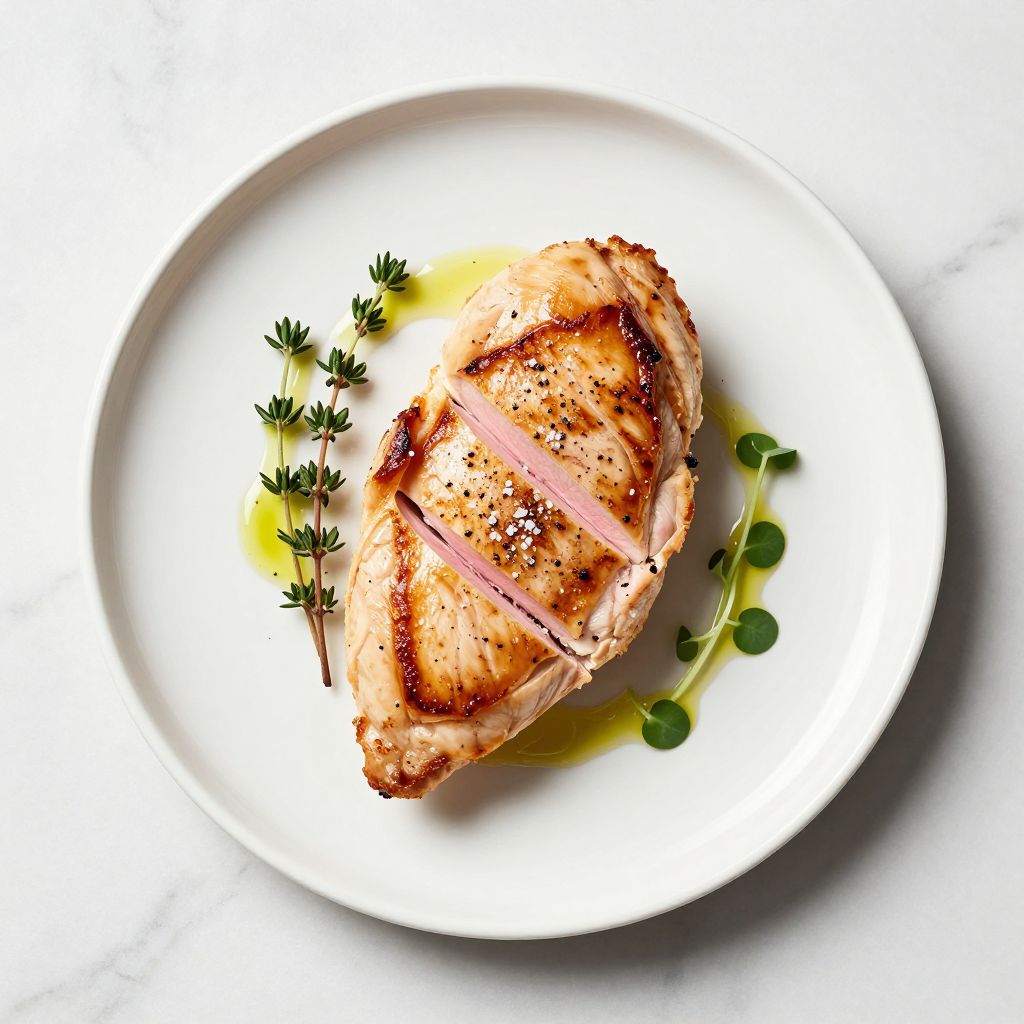
You roasted a whole chicken for dinner, grilled extra breasts for meal prep, or slow-cooked thighs for the week, and now you have more cooked chicken than you can eat in a few days. Instead of letting it go to waste, freezing is a simple, effective way to preserve flavor, texture, and food safety for weeks or even months. This guide explains exactly how to freeze cooked chicken, how long it keeps, and how to thaw and reheat it so every bite tastes as good as the day you cooked it.
Freezing cooked chicken is one of the most practical skills in a home kitchen. It turns leftovers into ready-to-eat protein, cuts down on food waste, and gives you a head start on weeknight meals. With the right technique, you can freeze nearly any preparation—from plain poached breasts to saucy braised thighs—and bring it back to the table with minimal loss in quality.
Can You Freeze Cooked Chicken?
Yes, you can freeze cooked chicken safely and effectively for up to three months. Freezing stops bacterial growth and preserves the chicken’s flavor and texture when done properly. Whether the chicken is roasted, grilled, poached, sautéed, or shredded, it freezes well as long as you cool it quickly, package it correctly, and store it at 0°F (-18°C) or below. The key is minimizing air exposure and moisture loss to prevent freezer burn.
Why Freezing Cooked Chicken Works
Freezing halts the activity of bacteria and enzymes that cause spoilage. Cooked chicken stored in the refrigerator stays safe for only three to four days, but the freezer extends that window significantly. The low temperature keeps the meat from degrading, though texture can suffer slightly over time as ice crystals form and break down cell walls.
Proper packaging is the difference between chicken that tastes fresh after thawing and chicken that turns dry or develops off flavors. Air is the enemy. Oxygen causes freezer burn—the grayish-white patches that signal dehydration and oxidation. Airtight wrapping and quick freezing protect the chicken from these changes.
How to Freeze Cooked Chicken
Follow these steps to freeze cooked chicken with the best results.
Cool the Chicken Quickly
Let the cooked chicken cool at room temperature for no more than two hours. For food safety, you want to move it from the danger zone—40°F to 140°F (4°C to 60°C)—as quickly as possible. Spread pieces on a baking sheet or divide large portions into shallow containers to speed cooling. Once the chicken reaches room temperature, transfer it to the refrigerator if you need more time before freezing, or move directly to packaging.
Portion for Convenience
Freeze chicken in the amounts you will actually use. Single servings, meal-sized portions, or recipe-ready quantities all work. Smaller portions freeze and thaw faster, and you avoid the need to defrost more than you need. If you are freezing shredded chicken, measure it into one-cup or two-cup portions. For bone-in pieces, separate them so they do not freeze into a solid block.
Choose the Right Packaging
Use freezer-safe containers, heavy-duty freezer bags, or vacuum-sealed pouches. Avoid regular storage bags or thin plastic wrap, which allow air and moisture to pass through. Press as much air as possible out of freezer bags before sealing. For containers, leave about half an inch of headspace if the chicken is in sauce or broth, as liquids expand when frozen.
If you are freezing chicken with sauce or gravy, the liquid helps protect the meat from drying out. Submerge the pieces completely and seal tightly. For plain cooked chicken, wrap each piece in plastic wrap, then place the wrapped pieces in a freezer bag for a double layer of protection.
Label and Date
Write the contents, portion size, and date on every package. Cooked chicken looks similar to other frozen proteins, and you will thank yourself later when you can identify what you have without guessing. Use a permanent marker or freezer labels that will not peel off in the cold.
Freeze Quickly
Place the packaged chicken in the coldest part of your freezer, usually the back or bottom shelf. Avoid stacking warm packages on top of already-frozen items, as this can raise the temperature and affect quality. Once frozen solid, you can rearrange for better organization.
How Long Does Frozen Cooked Chicken Last?
Cooked chicken stays safe indefinitely in a freezer set to 0°F (-18°C) or below, but quality declines over time. For the best flavor and texture, use frozen cooked chicken within three months. After that, it remains safe to eat but may taste bland, dry, or develop freezer burn. Chicken frozen in sauce or broth holds up better than plain pieces because the liquid insulates the meat.
If you notice ice crystals inside the package or grayish-white patches on the surface, the chicken has freezer burn. It is still safe but will be less flavorful and may have a dry, spongy texture. Trim off affected areas before reheating.
How to Thaw Frozen Cooked Chicken
Thawing cooked chicken safely is just as important as freezing it correctly. Never thaw chicken on the counter, as the outer layers can enter the danger zone while the center is still frozen.
Refrigerator Thawing
This is the safest method. Move the frozen chicken from the freezer to the refrigerator and let it thaw slowly overnight or for up to 24 hours, depending on portion size. Place the package on a plate or in a shallow dish to catch any condensation. Once thawed, use the chicken within three to four days.
Cold Water Thawing
For faster thawing, submerge the sealed package in cold water. Change the water every 30 minutes to keep it cold. Small portions thaw in an hour or two; larger pieces may take three to four hours. Cook or reheat the chicken immediately after thawing with this method.
Microwave Thawing
Use the defrost setting on your microwave for the quickest option. Check and rotate the chicken every few minutes to ensure even thawing. Because microwaves can start to cook the edges, reheat the chicken immediately after thawing.
Reheating from Frozen
You can reheat some cooked chicken directly from frozen, especially shredded chicken or small pieces in sauce. Add extra time and check that the internal temperature reaches 165°F (74°C) throughout. Stir or turn the chicken halfway through reheating for even heat distribution.
How to Reheat Frozen Cooked Chicken
Reheating brings frozen cooked chicken back to a safe, appetizing temperature without drying it out.
Oven Reheating
Preheat the oven to 350°F (175°C). Place thawed chicken in a baking dish, add a splash of broth or water, and cover with foil to trap moisture. Heat for 20 to 30 minutes, or until the internal temperature reaches 165°F (74°C). Remove the foil for the last five minutes if you want to crisp the skin.
Stovetop Reheating
For shredded or diced chicken, reheat in a skillet over medium heat with a tablespoon of butter, oil, or broth. Stir frequently and heat until steaming and warmed through. This method works especially well for chicken you plan to add to tacos, salads, or grain bowls.
Microwave Reheating
Place thawed chicken in a microwave-safe dish, add a tablespoon of water or broth, and cover loosely. Heat on medium power in one-minute intervals, stirring or flipping between intervals. Check the temperature with a food thermometer to confirm it reaches 165°F (74°C).
Adding to Soups and Stews
Frozen cooked chicken can go directly into simmering soups, stews, or casseroles. Add it during the last 10 to 15 minutes of cooking and let the heat bring it up to temperature. This method works best with shredded or diced chicken.
What Types of Cooked Chicken Freeze Best?
Nearly all cooked chicken freezes well, but some preparations hold up better than others.
- Shredded chicken: Freezes beautifully, especially when packed in broth or sauce. Thaws quickly and reheats evenly.
- Bone-in pieces: Roasted thighs, drumsticks, and wings freeze well. The bones help retain moisture.
- Boneless breasts and thighs: Freeze successfully but can dry out if not wrapped tightly or reheated carefully. Slicing before freezing helps with portion control.
- Chicken in sauce: Curries, stews, and braised dishes freeze exceptionally well because the sauce protects the meat.
- Fried chicken: Freezes safely but loses crispness. Reheat in the oven at 375°F (190°C) to restore some texture.
- Rotisserie chicken: Freeze the meat on or off the bone. Shred and freeze in portions for easy use.
Common Mistakes When Freezing Cooked Chicken
Avoid these pitfalls to keep your frozen chicken in top condition.
Freezing Chicken While Still Warm
Putting hot chicken directly in the freezer raises the temperature inside and can partially thaw nearby items. It also creates excess condensation, which turns into ice crystals. Always cool chicken to room temperature or refrigerator temperature before freezing.
Using Inadequate Packaging
Thin plastic wrap, regular storage bags, and containers that are not airtight let air reach the chicken, causing freezer burn. Invest in proper freezer bags or vacuum-seal if you freeze chicken regularly.
Freezing Large, Unseparated Portions
A whole roasted chicken or a pile of unseparated pieces freezes into a solid mass that is difficult to thaw and portion. Break down the chicken before freezing so you can remove only what you need.
Skipping Labels
Frozen chicken looks nearly identical to other frozen meats. Without a label, you may forget what you have or how long it has been frozen. Date every package and note the type of chicken and any seasonings or sauces.
Refreezing Thawed Chicken
Once you thaw cooked chicken in the refrigerator, you can safely refreeze it, but the texture will suffer. Each freeze-thaw cycle degrades quality. If you thawed chicken using cold water or the microwave, do not refreeze it—cook or reheat it immediately.
Tips for the Best Results
These small adjustments improve the quality of frozen cooked chicken.
- Freeze chicken the same day you cook it for maximum freshness.
- Use a vacuum sealer if you freeze chicken frequently. It removes air more effectively than manual methods.
- Freeze shredded chicken flat in freezer bags so it thaws quickly and stores compactly.
- For meal prep, freeze chicken with grains, vegetables, or sauces in single-serving containers for grab-and-go lunches.
- Keep a freezer inventory list so you know what you have and use older items first.
- If you are freezing a whole roasted chicken, remove the meat from the bones first. The bones take up space and the meat freezes and thaws more evenly off the bone.
Frequently Asked Questions
Can you freeze chicken that was previously frozen raw?
Yes. Once you cook raw chicken that was frozen, you can safely freeze the cooked meat. The USDA confirms that cooking changes the protein structure enough to reset the freeze-thaw cycle. Just follow proper cooling and packaging steps.
Does freezing cooked chicken change the taste?
Properly frozen and reheated chicken tastes nearly the same as fresh, especially when frozen with sauce or broth. Freezer burn, long storage times, and poor packaging cause off flavors and dryness.
Can you freeze cooked chicken salad or chicken with mayonnaise?
Mayonnaise-based dishes do not freeze well. The emulsion breaks down, and the texture becomes watery and separated when thawed. Freeze plain cooked chicken and add mayonnaise, dressing, or other creamy ingredients after thawing.
How can you tell if frozen cooked chicken has gone bad?
If thawed chicken smells sour, has a slimy texture, or shows signs of mold, discard it. Freezer burn looks unappetizing but is not a food-safety issue—just a quality concern.
Can you freeze chicken broth or stock with cooked chicken?
Absolutely. Freezing chicken in its cooking liquid or in chicken stock keeps the meat moist and flavorful. Leave headspace in the container for expansion and label clearly.
Practical Takeaway
Freezing cooked chicken is a reliable way to extend the life of your leftovers, reduce food waste, and simplify meal planning. Cool the chicken quickly, package it airtight, label it clearly, and use it within three months for the best results. Thaw safely in the refrigerator or cold water, reheat to 165°F (74°C), and enjoy chicken that tastes nearly as good as the day you cooked it.
Once you have mastered freezing cooked chicken, you can apply the same principles to other proteins and prepared dishes. For more ways to make the most of your chicken, explore our guide to making rich, flavorful chicken stock from bones and scraps, or learn how to use a chicken brine to keep your roasted and grilled chicken juicy before freezing.