
The first time I tasted homemade quince jam, I understood why my grandmother kept a jar on her kitchen shelf year-round. The transformation from hard, astringent fruit to glossy, ruby-red preserve feels almost like kitchen magic, and the flavor is nothing short of extraordinary.
Quince jam is one of those recipes that separates good cooks from great ones, not because it’s complicated, but because it teaches patience and precision. Unlike apple or strawberry jam, quince requires longer cooking and more sugar, which rewards you with a jewel-toned spread with a deep, complex flavor that tastes like autumn in a jar.
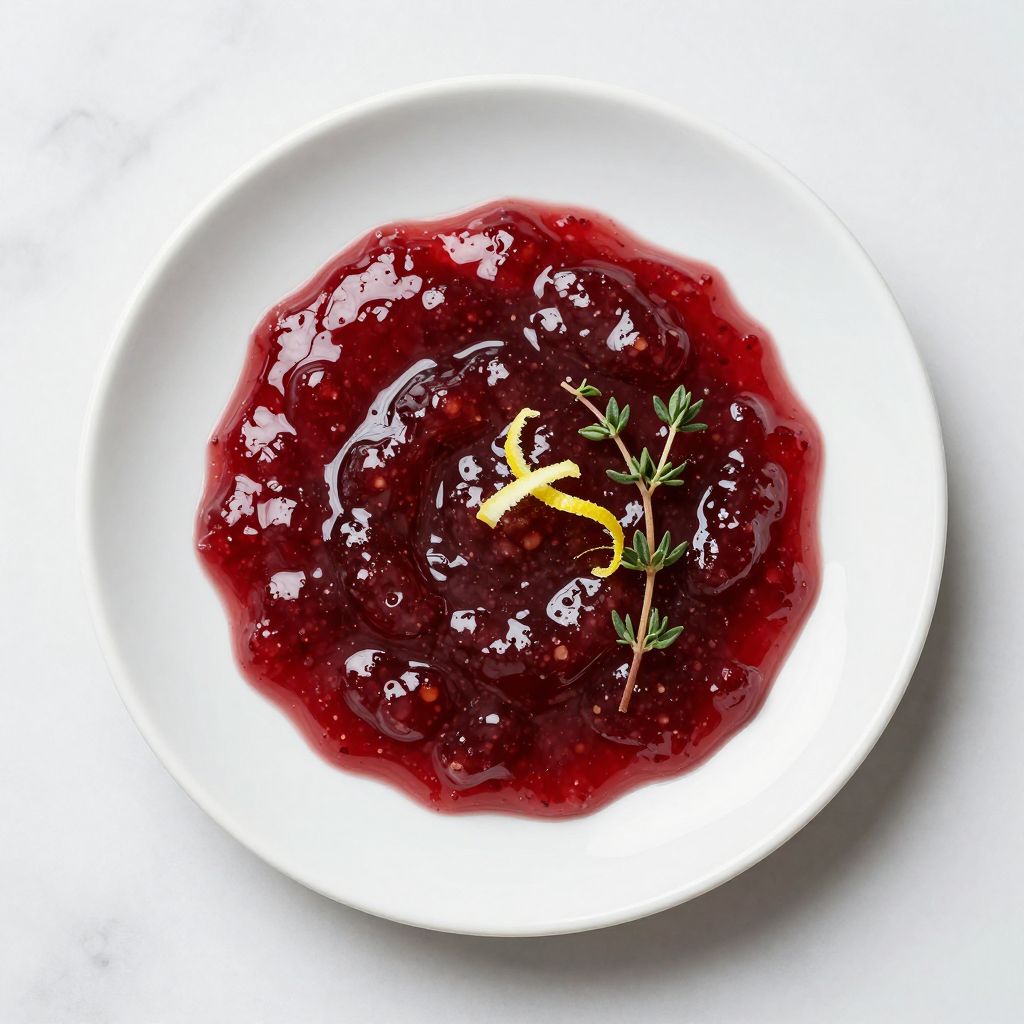
This recipe yields a thick, spreadable jam with a silky texture that clings to toast, pairs beautifully with cheese, and transforms ordinary desserts into something memorable. Best of all, you only need four ingredients and about two hours of mostly hands-off cooking time.
Why You’ll Love This Recipe
Quince jam delivers flavor depth that most other jams simply cannot match, and once you taste it, you’ll understand why it’s treasured across Mediterranean and Middle Eastern cuisines.
- Deep, honeyed flavor with floral and apple-like notes that improves with age.
- Beautiful natural ruby-red color develops during cooking without any added dyes or pectin.
- Simple four-ingredient recipe that lets the fruit shine without unnecessary complexity.
- Long shelf life and excellent texture that spreads smoothly every single time.
- Versatile enough for breakfast toast, cheese boards, or fancy dessert preparations.
My Experience Making This Recipe
I first made quince jam on a Sunday afternoon when I spotted a pile of these knobby, fragrant fruits at my farmers’ market. The vendor mentioned they were too firm to eat raw, which piqued my curiosity about what made them special.
What surprised me most was how the kitchen filled with this intoxicating floral aroma as the fruit cooked down. The color shift from pale yellow to a deep crimson was mesmerizing, and I found myself checking on the pot every few minutes.
My family was skeptical at first until they tasted it on buttered sourdough the next morning. Now I make multiple batches each fall, and jars disappear faster than I can label them.
Recipe Overview
- Recipe Name: Quince Jam
- Servings: Makes approximately 4 half-pint jars
- Prep Time: 20 minutes
- Cook Time: 90 minutes
- Total Time: 110 minutes
- Course: Preserves
- Cuisine: Mediterranean
- Calories per Serving: 55 calories per tablespoon
Equipment You Will Need
- Large stainless steel pot or preserving pan
- Sharp knife and cutting board
- Wooden spoon for stirring
- Food mill or potato ricer
- Candy or deep-fry thermometer
- Glass jars with lids for canning
- Jar lifter or long-handled tongs
- Large bowl for cooling
Ingredients for Quince Jam
- 2 pounds fresh quinces, peeled, cored, and cut into chunks
- 1.5 pounds granulated sugar
- 1 cup water
- 2 tablespoons fresh lemon juice
Ingredient Notes and Substitutions
- Fresh quinces are essential because they contain natural pectin that creates the perfect gel without additives. If you cannot find fresh quinces, frozen ones work, though fresh always produce superior flavor and color.
- Granulated sugar is the standard choice for jam-making because it dissolves evenly and helps preserve the fruit. You can use honey or coconut sugar as a substitute, though these change the final texture and may require adjusting the cooking time.
- Water helps the hard quince fruit soften before the sugar is added. You can replace it with apple juice for a slightly sweeter jam, but the ratio should remain the same.
- Lemon juice adds brightness and prevents crystallization of the sugar. Lime juice or white wine vinegar work as alternatives in the same amount.
How to Make Quince Jam
Step 1: Prepare the Quinces
Wash your quinces thoroughly under running water to remove any fuzz or debris. Peel them with a sturdy vegetable peeler, then cut them in half and scoop out the hard cores with a melon baller or sharp spoon, discarding the seeds and tough center flesh.
Step 2: Cut the Fruit into Chunks
Cut the peeled quince halves into roughly one-inch chunks to help them cook faster and break down more evenly. Uneven pieces will cook at different rates, so try to keep them consistent in size.
Step 3: Combine Fruit and Water
Place the quince chunks into your large pot and add the water. The water helps soften the extremely hard fruit before sugar is added, which would otherwise prevent them from breaking down properly.
Step 4: Cook the Quinces Until Soft
Bring the mixture to a boil over high heat, then reduce to medium and simmer for 20 to 30 minutes, stirring occasionally. The quinces are ready when they’re completely soft and easily fall apart when pressed against the side of the pot with your spoon.
Step 5: Pass Through a Food Mill
Pour the softened quince and its cooking liquid through a food mill into a large bowl, catching the smooth puree below. This removes any small pieces of skin and creates a silky texture that spreads beautifully on toast.
Step 6: Add Sugar and Lemon Juice
Return the quince puree to your pot and stir in the granulated sugar and lemon juice until fully combined. The sugar will gradually dissolve as the mixture heats, so stir well to prevent crystallization.
Step 7: Cook to Setting Point
Increase the heat to medium-high and bring the mixture to a rolling boil, stirring frequently to prevent sticking on the bottom. Insert your candy thermometer and cook until the mixture reaches exactly 220 degrees Fahrenheit, which indicates the jam has reached the proper gel point, usually 60 to 90 minutes of cooking.
Step 8: Test for Doneness
To confirm the jam is done, place a small spoonful on a cold plate and let it cool for one minute. Push your finger through it; if it wrinkles and doesn’t flow back together, it’s ready to jar.
Step 9: Sterilize and Fill Jars
While the jam finishes cooking, sterilize your glass jars by running them through the hot cycle of your dishwasher or submerging them in boiling water for 10 minutes. Remove them with a jar lifter and pour the hot jam into the jars, leaving one quarter inch of headspace at the top.
Step 10: Seal the Jars
Wipe the rims of each jar with a damp cloth to remove any sticky residue, then place the lids on top and tighten the bands finger-tight. Process the sealed jars in a boiling water bath for 10 minutes to ensure a proper seal.
Pro Tip: The flavor of quince jam improves significantly after a few weeks of storage, so resist the urge to open a jar immediately and allow it to mature for at least one month before enjoying.
Tips for the Best Quince Jam
- Always use a stainless steel pot rather than aluminum or copper, as the acidity in the jam will react with these metals and discolor your preserve.
- Stir the jam frequently once the sugar is added to prevent scorching on the bottom, and use a wooden spoon which won’t damage the pot.
- Don’t skip the thermometer; jam-making is about precision, and 220 degrees Fahrenheit is the exact temperature needed for proper gel formation.
- Save the quince cores and peels to make membrillo, a traditional Spanish quince paste that’s delicious served alongside cheese.
- If your jam doesn’t set properly, boil it again with a squeeze of extra lemon juice and retest; underset jam simply means less pectin was developed during cooking.
- Keep finished jars in a cool, dark cupboard away from direct sunlight, which can fade the beautiful red color over time.
Common Mistakes to Avoid
- Using unripe or underripe quinces results in jam that never reaches the proper gel, so choose fruits that are yellow-green and fragrant at the stem.
- Skipping the food mill step leaves grainy or chunky texture that doesn’t spread smoothly, and the elegant silky mouthfeel is lost.
- Rushing the cooking process by using high heat causes the jam to brown excessively and lose the beautiful ruby-red color that makes it so appealing.
- Filling jars while they’re still hot and not wiping the rims prevents proper sealing and allows bacteria to enter, shortening shelf life.
- Storing jars in the refrigerator or freezer immediately after canning traps steam inside and can break the seal, which is why cool, dark cupboards are essential.
Serving Suggestions
Quince jam shines in simple applications where its complex flavor can take center stage, but it also transforms elaborate desserts into something truly special. Beyond the obvious choice of spreading it on warm toast, this preserve deserves to be showcased.
- Spread on buttered sourdough or croissants for an elegant breakfast or afternoon snack.
- Pair with sharp cheddar, manchego, or goat cheese on a cheese board for a sophisticated appetizer.
- Swirl into Greek yogurt or whipped cream as a topping for vanilla cake or cheesecake.
- Use as a filling for thumbprint cookies or tart shells alongside dark chocolate.
- Serve a spoonful alongside roasted pork or duck for a sweet and savory contrast.
Variations to Try
- Add one cinnamon stick and three whole cloves during cooking for warm spice notes that complement the fruit’s floral character.
- Substitute half the sugar with honey to create a slightly softer set with deeper caramel undertones, though this changes the texture slightly.
- Combine quinces with equal parts apple for a milder flavor and faster cooking time, perfect if you want something less intense.
- Stir in one tablespoon of rose water or orange blossom water at the very end of cooking for an exotic, perfumed preserve.
- Mix in toasted nuts like pistachios or walnuts during the final minutes of cooking for texture and richness.
Dietary Adaptations
- Gluten-free: This recipe is naturally gluten-free, so no modifications are needed.
- Dairy-free: No dairy is used, making this preserve suitable for those avoiding dairy products.
- Vegan: This jam is completely vegan, containing only fruit, sugar, water, and lemon juice.
- Low-carb or keto: Reduce the sugar to 12 ounces and use a keto-friendly sweetener, though this changes the gel point and requires testing.
Storage and Reheating
Refrigerator
Unopened jars keep for up to two years when stored in a cool, dark cupboard. Once opened, refrigerate and consume within three weeks for best quality.
- Store in airtight containers to prevent mold growth.
- Check the seal before refrigerating; if it didn’t seal properly during canning, use within one week.
Freezer
Quince jam freezes well for up to one year if you want to extend its shelf life beyond normal storage. Use freezer-safe jars and leave headspace for expansion.
- Thaw in the refrigerator overnight before using.
- Texture remains smooth and spreadable after thawing without separation.
Reheating
Jam does not require reheating since it’s ready to eat directly from the jar. If your jam has crystallized over time, warm it gently in a saucepan over low heat with one tablespoon of water until smooth again.
- Never microwave jam as it heats unevenly and can become dangerously hot.
- Once warmed, use immediately rather than storing again.
Nutrition Information
| Nutrient | Amount |
|---|---|
| Calories | 55 |
| Total Fat | 0g |
| Saturated Fat | 0g |
| Carbohydrates | 14g |
| Fiber | 0g |
| Sugar | 13g |
| Protein | 0g |
| Sodium | 2mg |
| Cholesterol | 0mg |
Nutrition values are approximate and calculated per tablespoon serving based on standard USDA data for quinces and sugar. Actual values may vary depending on specific fruit size and sugar brand used.
Frequently Asked Questions
Can I use bottled or canned quince instead of fresh?
Fresh quinces are strongly recommended because they contain more natural pectin and produce superior flavor and color. Canned or bottled quinces have lost much of their pectin during processing and won’t set properly as jam.
How do I know when my quinces are ripe enough for jam-making?
Choose quinces that are yellow-green or pale yellow with a strong fragrant aroma at the stem end. If they’re still very hard and pale white, they need more time on the tree, though any firmness is acceptable since you’ll cook them down anyway.
What should I do if my jam doesn’t thicken?
Return the jam to the pot, add one tablespoon of fresh lemon juice, and boil again until it reaches 220 degrees Fahrenheit. If it still doesn’t set, you may have had low pectin fruit, and a second boiling with added lemon juice usually resolves the issue.
Can I make this recipe with a slow cooker or instant pot?
Slow cookers work for the initial cooking of the quinces, but you’ll still need to finish on the stovetop to reach the proper gel point. Instant Pots can speed up the softening stage, though traditional stovetop cooking gives you better control over the final texture.
Is it safe to make quince jam without a canning process?
Yes, the high sugar content and low pH of jam make it naturally preserved, so boiling water bath processing is technically optional for safety. Processing does extend shelf life significantly and gives greater peace of mind about seal integrity.
Why does my jam taste bitter or astringent?
This typically happens when too much of the core or skin is included in the final jam, as these parts contain tannins. Always remove the cores completely and pass the cooked fruit through a food mill to eliminate any remaining skin particles.
Final Thoughts
Making quince jam is one of those kitchen projects that rewards patience with flavors and colors you simply cannot buy in a store. Once you taste your own homemade batch, you’ll understand why this fruit has been treasured for centuries across cultures.
Give this recipe a try during quince season, and you’ll find yourself making it year after year. There’s something deeply satisfying about transforming hard, humble fruit into something so beautiful and delicious, and the joy of gifting jars to friends and family makes it all worthwhile.
If you loved making quince jam, explore other fruit preserves that will expand your jam-making skills and pantry. Try our pear jam recipe for a milder, more delicate flavor, or venture into darker territory with our blackberry jelly recipe for a classic favorite that never disappoints.
Quince Jam
Ingredients
Equipment
Method
- Wash the quinces thoroughly under running water to remove any fuzz, then peel, halve, and scoop out the cores, discarding seeds and tough center.
- Cut the peeled quince halves into roughly one-inch chunks to ensure even cooking.
- Place the quince chunks and 1 cup water into a large pot and bring to a boil over high heat.
- Reduce heat to medium and simmer for 20 to 30 minutes, stirring occasionally, until the quince pieces are completely soft and fall apart under the spoon.
- Pour the softened quince and cooking liquid through a food mill into a large bowl to create a smooth puree.
- Return the quince puree to the pot and stir in 1.5 pounds granulated sugar and 2 tablespoons fresh lemon juice until fully dissolved.
- Increase heat to medium-high and bring to a rolling boil, stirring frequently, then cook until the mixture reaches 220°F on a candy thermometer, about 60 to 90 minutes.
- Test for doneness by placing a spoonful on a cold plate, cooling for one minute, and checking that the surface wrinkles when pushed with your finger.
- Sterilize glass jars by running them through the hot dishwasher cycle or boiling in water for 10 minutes; remove with a jar lifter.
- Ladle the hot jam into the jars, leaving 1/4 inch headspace, wipe rims clean, apply lids and bands, and process in a boiling water bath for 10 minutes.