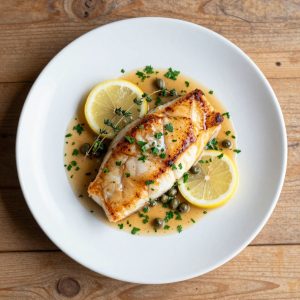
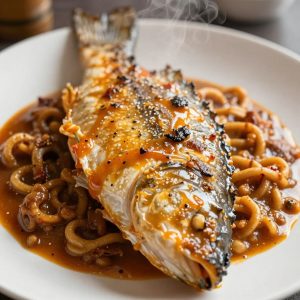
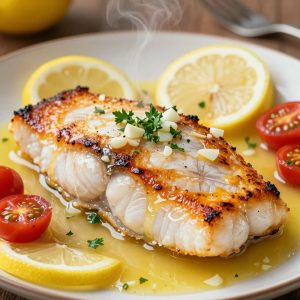
Chilean sea bass delivers buttery, melt-in-your-mouth perfection that transforms any weeknight dinner into a restaurant-worthy experience. This rich, flaky fish pairs beautifully with simple seasonings, letting its natural flavor shine through every bite.
Whether you’re hosting a special dinner or treating yourself to something elegant, this recipe brings the wow factor without the fuss. Let’s walk through everything you need to create the most succulent Chilean sea bass you’ve ever tasted.
Why You’ll Love This Recipe
This Chilean sea bass recipe strikes the perfect balance between impressive and achievable. You’ll feel like a professional chef without spending hours in the kitchen.
- Ready in under 30 minutes from start to finish
- Requires only a handful of pantry-friendly ingredients
- The buttery texture practically melts on your tongue
- Impressive enough for date night yet simple enough for Tuesday
- Works beautifully with multiple cooking methods
My Experience Making This Recipe
The first time I made Chilean sea bass, I honestly worried about overcooking such an expensive piece of fish. That golden crust forming in the pan while the kitchen filled with the aroma of browning butter instantly told me I was on the right track.
When I took that first bite, the fish flaked apart with almost zero resistance. My dinner guests went silent, which is the highest compliment a cook can receive.
I’ve made this recipe dozens of times since, and it never fails to impress. The technique is forgiving, and the results are consistently spectacular.
Recipe Overview
- Recipe Name: Pan-Seared Chilean Sea Bass
- Servings: 4
- Prep Time: 10 minutes
- Cook Time: 12 minutes
- Total Time: 22 minutes
- Course: Main Course
- Cuisine: American, French-inspired
- Calories per Serving: 385
Equipment You Will Need
- Large oven-safe skillet or cast iron pan
- Fish spatula or thin metal spatula
- Paper towels
- Meat thermometer
- Basting spoon
- Kitchen timer
- Plate for resting
Ingredients for Chilean Sea Bass
For the Fish
- Chilean sea bass fillets, 4 pieces, approximately 6 ounces each
- Kosher salt, 1 teaspoon
- Black pepper, freshly ground, 1/2 teaspoon
- Olive oil, 2 tablespoons
- Unsalted butter, 3 tablespoons
For the Pan Sauce
- Garlic, 3 cloves, minced
- Fresh thyme, 4 sprigs
- Lemon juice, 2 tablespoons, freshly squeezed
- White wine, 1/4 cup (or chicken broth)
- Capers, 1 tablespoon, drained
- Fresh parsley, 2 tablespoons, chopped
Ingredient Notes and Substitutions
- Chilean sea bass: This fish contains high oil content that keeps it moist during cooking. Substitute with black cod, halibut, or mahi-mahi if unavailable.
- Unsalted butter: Butter creates the rich basting liquid and promotes browning. Use ghee for a dairy-free option with similar results.
- White wine: The acidity brightens the sauce and deglazes the pan. Replace with dry vermouth, chicken broth with a splash of lemon, or vegetable stock.
- Fresh thyme: Thyme adds an earthy, slightly floral note that complements seafood beautifully. Substitute with rosemary or tarragon.
- Capers: These briny little flavor bombs add a salty, tangy punch. Chopped green olives work as an alternative.
How to Make Chilean Sea Bass
Step 1: Prepare Your Fish
Remove the Chilean sea bass from the refrigerator 20 minutes before cooking. This brings the fish to room temperature, ensuring even cooking throughout the fillet rather than an overcooked exterior with a cold center.
Step 2: Dry and Season the Fillets
Pat each fillet thoroughly dry with paper towels, pressing firmly to absorb all surface moisture. Season generously on both sides with kosher salt and freshly ground black pepper.
Dry fish sears properly because moisture creates steam that prevents browning. This step makes the difference between a pale, sad fillet and a gorgeous golden crust.
Step 3: Preheat Your Pan
Place your skillet over medium-high heat and let it get properly hot for about 2 minutes. Add the olive oil and swirl to coat the bottom evenly.
You want the oil shimmering and just starting to smoke. A hot pan prevents sticking and initiates the Maillard reaction that creates that beautiful crust.
Step 4: Sear the Presentation Side
Carefully lay the fillets in the pan, placing them away from you to avoid oil splatter. Let them cook undisturbed for 4 minutes until a golden-brown crust forms.
Resist the urge to move or peek underneath the fish. Patience here rewards you with a crust that would make any chef proud.
Step 5: Add Butter and Aromatics
Add the butter, garlic, and thyme sprigs to the pan. As the butter melts and begins to foam, tilt the pan slightly and use a spoon to continuously baste the fish with the flavored butter.
This basting technique infuses the fish with garlic and herb flavors while cooking the top surface gently. Continue basting for about 2 minutes.
Step 6: Flip and Finish Cooking
Using a fish spatula, gently flip each fillet. Cook for an additional 3 to 4 minutes until the internal temperature reaches 135 degrees Fahrenheit.
The fish will continue cooking slightly after removal from heat. Pulling it at 135 degrees ensures a perfectly flaky, moist interior rather than a dry disappointment.
Step 7: Create the Pan Sauce
Transfer the fish to a warm plate and tent loosely with foil. Add the white wine to the pan, scraping up any browned bits from the bottom.
Stir in the lemon juice and capers, letting the sauce simmer for about 1 minute until slightly reduced. These browned bits contain incredible concentrated flavor, so don’t skip this step.
Step 8: Plate and Serve
Place each fillet on a warmed plate and spoon the pan sauce generously over the top. Garnish with fresh parsley and serve immediately while everything is hot.
The sauce should pool slightly around the fish, creating an irresistible invitation to dig in. Serve with your favorite sides and prepare for compliments.
Pro Tip: Always check your fish for pin bones before cooking by running your fingers along the fillet and using tweezers to remove any you find.
Tips for the Best Chilean Sea Bass
- Buy the freshest fish possible from a reputable fishmonger who can verify sustainable sourcing.
- Let your pan get properly hot before adding fish, but don’t let the oil smoke excessively or it will taste burnt.
- Use a fish spatula with a thin, flexible edge to flip fillets without breaking them apart.
- Baste continuously during cooking to build layers of flavor and keep the top surface moist.
- Rest the fish for 2 minutes before serving to allow juices to redistribute throughout the fillet.
- Season your fish generously since some seasoning will be lost to the pan during cooking.
Common Mistakes to Avoid
- Cooking cold fish: Starting with refrigerator-cold fillets leads to uneven cooking and a tough exterior.
- Overcrowding the pan: Too many fillets lower the pan temperature, causing steaming instead of searing.
- Moving the fish too soon: Flipping before a crust forms causes sticking and tears the delicate flesh.
- Overcooking: Chilean sea bass goes from perfect to dry in minutes, so watch the internal temperature closely.
- Skipping the pat-dry step: Wet fish will never achieve a proper sear no matter how hot your pan gets.
Serving Suggestions
Chilean sea bass deserves sides that complement without competing. Keep accompaniments simple to let the star of the show shine.
- Creamy mashed potatoes or cauliflower puree
- Sauteed spinach with garlic
- Roasted asparagus with lemon zest
- Wild rice pilaf with herbs
- Simple arugula salad with shaved parmesan
Variations to Try
- Miso-Glazed: Marinate in white miso, mirin, and sake for 30 minutes before cooking for a sweet, umami-rich crust.
- Mediterranean Style: Top with a mixture of cherry tomatoes, olives, and fresh basil for a bright, summery twist.
- Asian-Inspired: Finish with ginger, soy sauce, and sesame oil instead of the butter sauce for bold flavors.
- Herb-Crusted: Press a mixture of breadcrumbs, parmesan, and fresh herbs onto the top before baking at 400 degrees.
- Piccata Style: Double the capers and lemon juice, adding a splash of briny pasta water for a classic Italian approach.
Dietary Adaptations
- Gluten-Free: This recipe is naturally gluten-free as written, just verify your wine or broth contains no hidden gluten.
- Dairy-Free: Replace butter with olive oil or ghee, and the dish remains equally delicious with slightly different flavor notes.
- Low-Carb/Keto: This recipe fits perfectly into keto and low-carb lifestyles with zero modifications needed.
- Whole30 Compliant: Skip the wine and use compliant chicken broth, replace butter with ghee, and you’re all set.
Storage and Reheating
Refrigerator
Store leftover Chilean sea bass in an airtight container for optimal freshness.
- Keeps well for up to 2 days
- Store sauce separately if possible
- Let cool completely before refrigerating
Freezer
Freezing cooked Chilean sea bass is possible but affects the delicate texture.
- Wrap tightly in plastic wrap, then foil
- Freeze for up to 1 month
- Thaw overnight in refrigerator before reheating
Reheating
Gentle reheating preserves moisture and prevents the fish from becoming rubbery.
- Preheat oven to 275 degrees Fahrenheit
- Place fish in a baking dish with a splash of broth
- Cover with foil and heat for 10 to 15 minutes
- Avoid microwave reheating, which creates uneven hot spots
Nutrition Information
| Nutrient | Amount |
|---|---|
| Calories | 385 |
| Total Fat | 24g |
| Saturated Fat | 9g |
| Carbohydrates | 2g |
| Fiber | 0g |
| Sugar | 0g |
| Protein | 38g |
| Sodium | 480mg |
| Cholesterol | 115mg |
Nutritional values are estimates based on standard ingredients and may vary depending on specific products used and portion sizes.
Frequently Asked Questions
Can I bake Chilean sea bass instead of pan-searing?
Yes, bake at 400 degrees Fahrenheit for 12 to 15 minutes until the internal temperature reaches 135 degrees. You’ll miss out on the crispy crust but still get tender, flaky fish.
How do I know when Chilean sea bass is done?
The fish should flake easily with a fork and reach an internal temperature of 135 degrees Fahrenheit. The flesh will turn from translucent to opaque white throughout.
Can I prepare anything ahead of time?
You can season the fish, mince the garlic, and measure all ingredients up to a few hours ahead. Actual cooking should happen right before serving for best results.
Why is my fish sticking to the pan?
Either your pan isn’t hot enough, the fish isn’t dry enough, or you’re trying to flip too early. A proper crust releases naturally from a well-heated pan.
Is Chilean sea bass sustainable?
Look for MSC-certified Chilean sea bass, which indicates sustainable fishing practices. Many reputable fishmongers now carry responsibly sourced options.
Final Thoughts
This Chilean sea bass recipe proves that restaurant-quality seafood is absolutely achievable at home. The simple technique of pan-searing with butter basting delivers extraordinary results every single time.
Give this recipe a try for your next special occasion, or honestly, any night you want to treat yourself. Once you master this method, you’ll wonder why you ever ordered sea bass at a restaurant when homemade tastes this incredible.
Pan-Seared Chilean Sea Bass
Ingredients
Method
- Remove the Chilean sea bass from the refrigerator and let it sit at room temperature for 20 minutes.
- Pat each fillet completely dry with paper towels, then season both sides evenly with kosher salt and freshly ground black pepper.
- Heat a large oven-safe skillet over medium-high heat for 2 minutes. Add olive oil and swirl until the oil shimmers and just begins to smoke.
- Place the fillets in the skillet presentation side down. Sear undisturbed for 4 minutes until a deep golden crust forms.
- Add butter, minced garlic, and thyme sprigs to the pan. As the butter foams, tilt the skillet and baste the tops of the fillets continuously for 2 minutes.
- Using a fish spatula, gently flip the fillets. Cook 3–4 minutes more, basting occasionally, until the internal temperature reaches 135°F (57°C).
- Transfer the fish to a warm plate and tent loosely with foil to rest.
- Deglaze the skillet with white wine, scraping up browned bits. Stir in lemon juice and capers; simmer 1 minute to reduce slightly.
- Return any accumulated fish juices to the pan sauce, then spoon the sauce over the plated fillets. Garnish with chopped fresh parsley and serve immediately.